
Check out “Queer/ing Imaginaries and Arts of Eco-Grief” and other exciting elements of the programme of this year’s Baltic Circle International Theatre Festival!


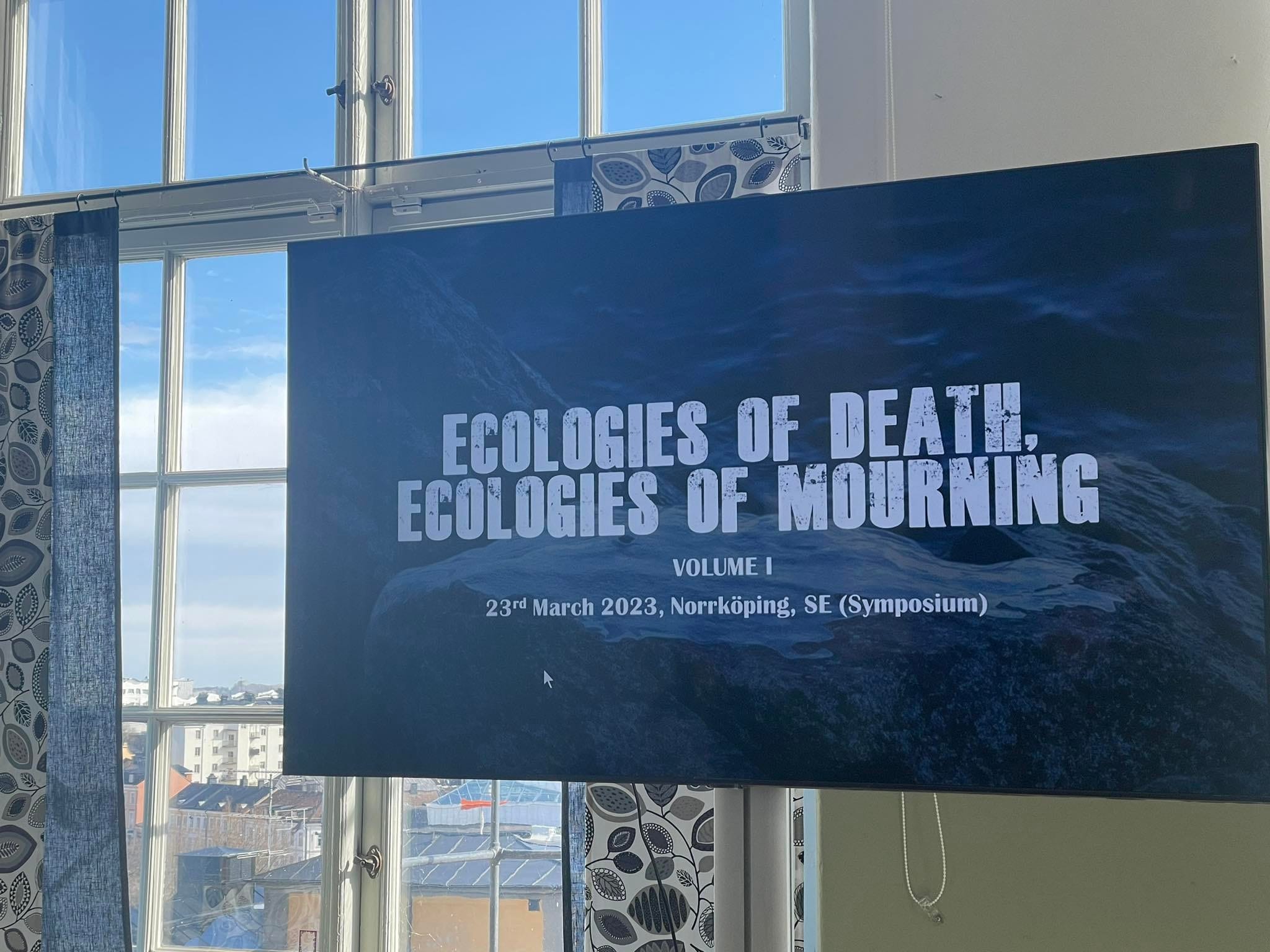
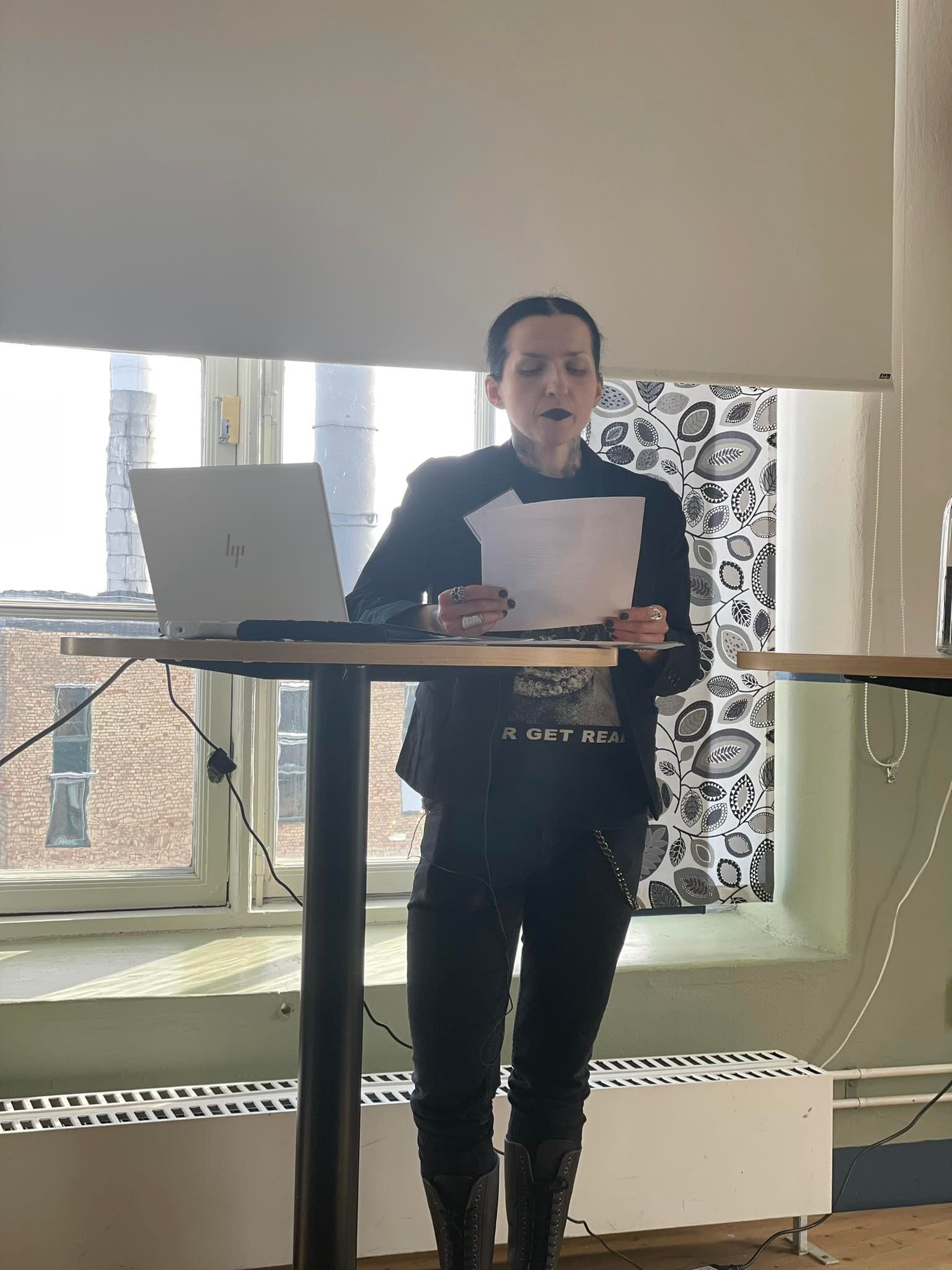
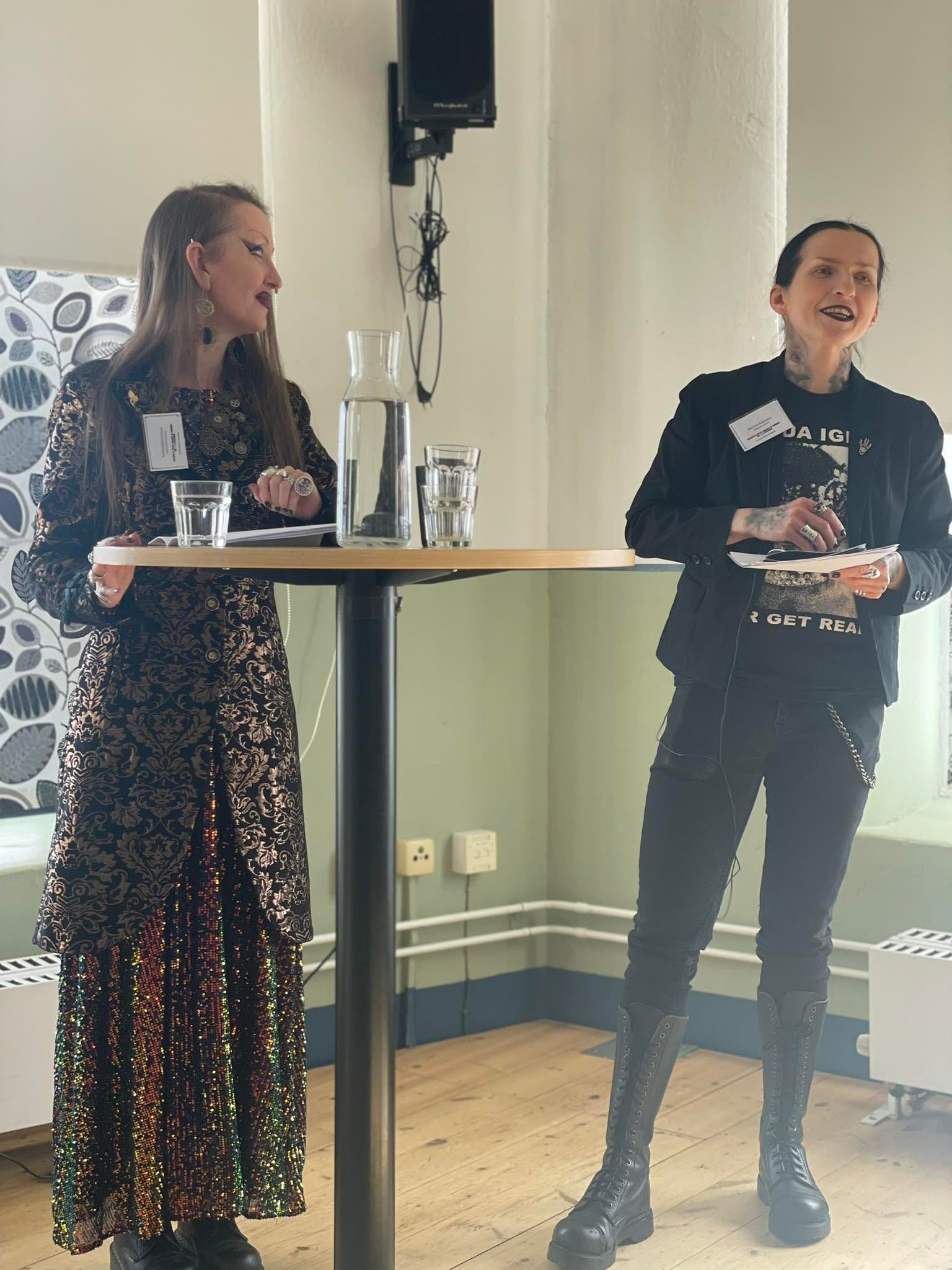
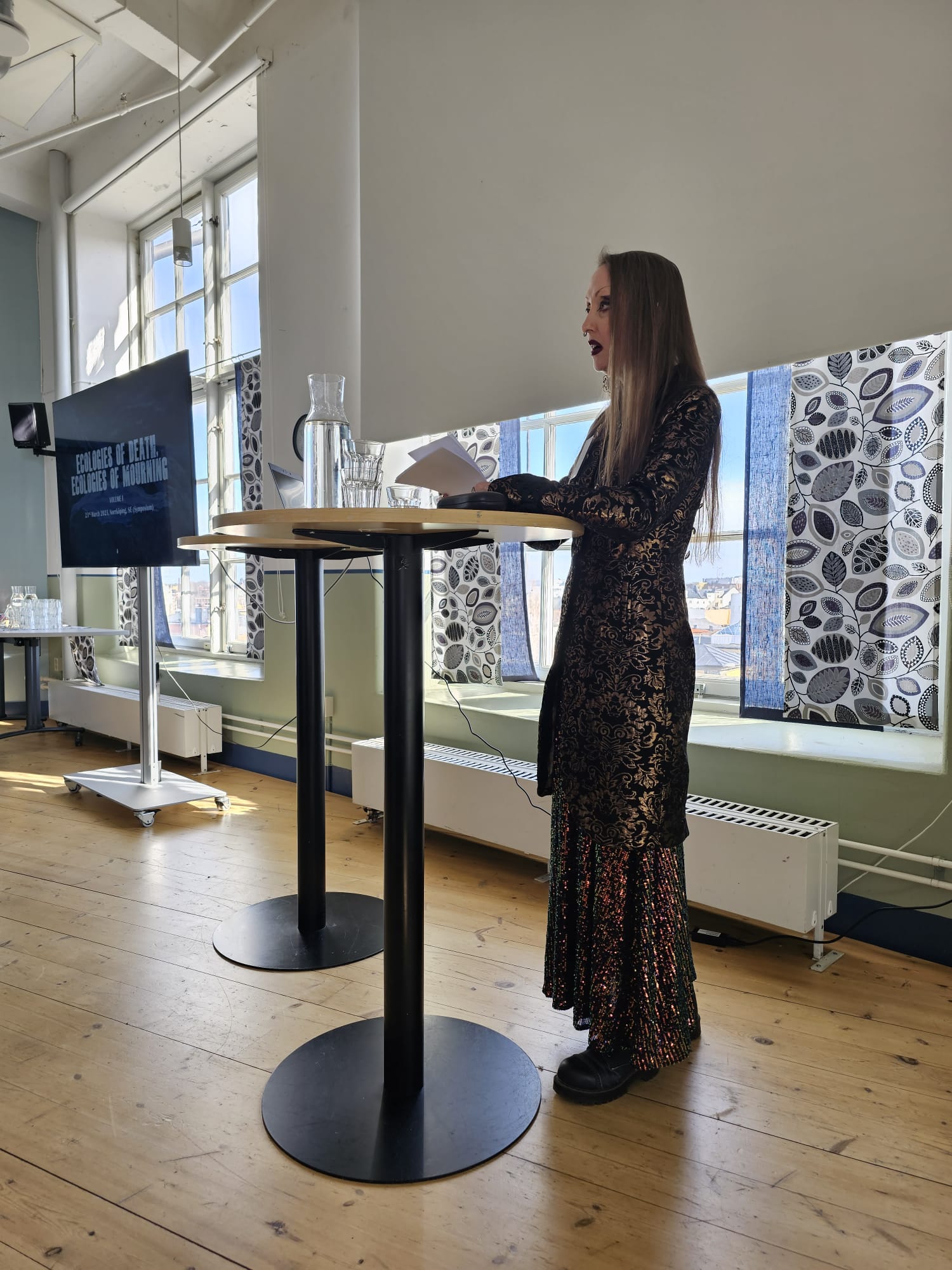
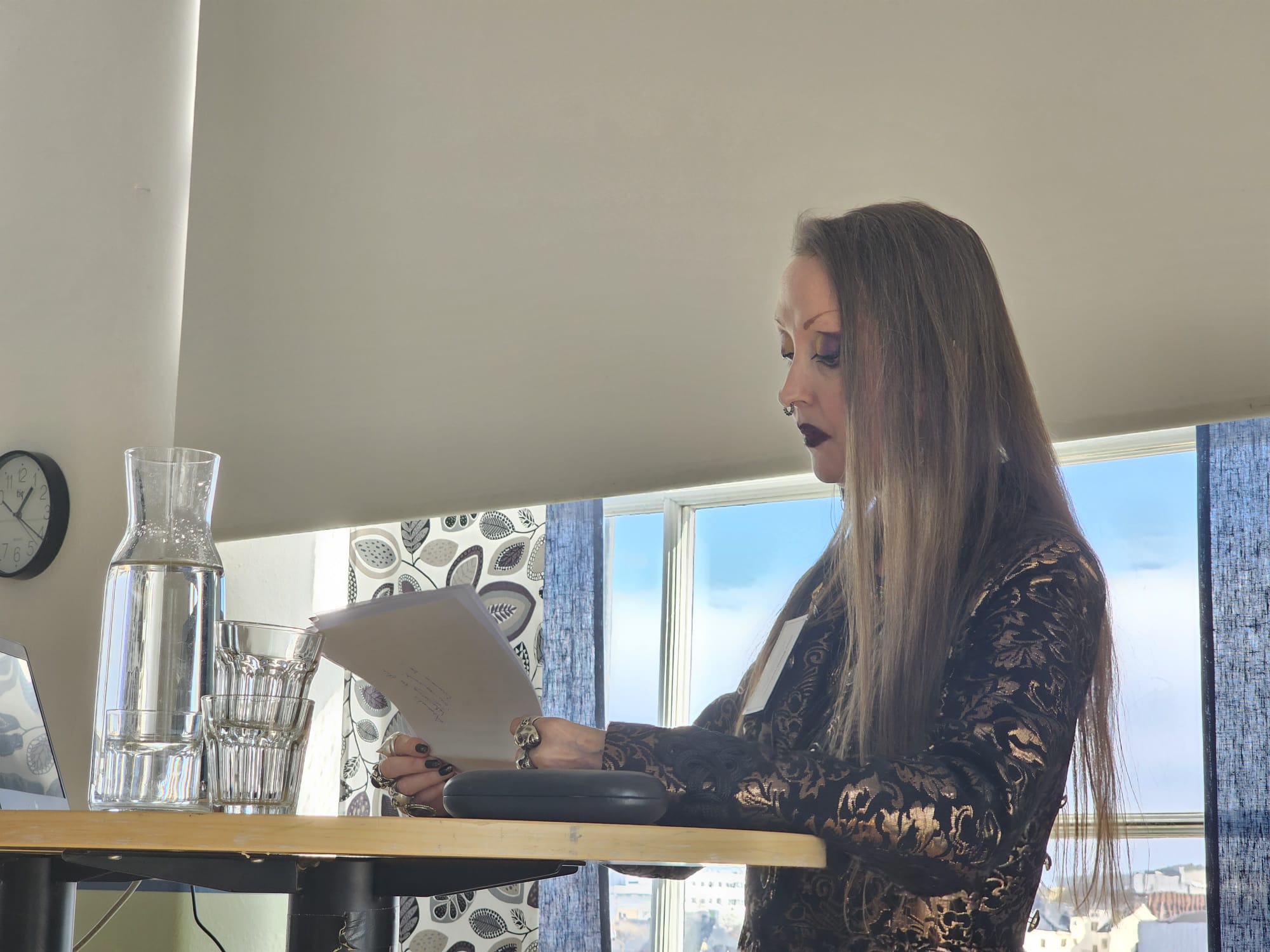
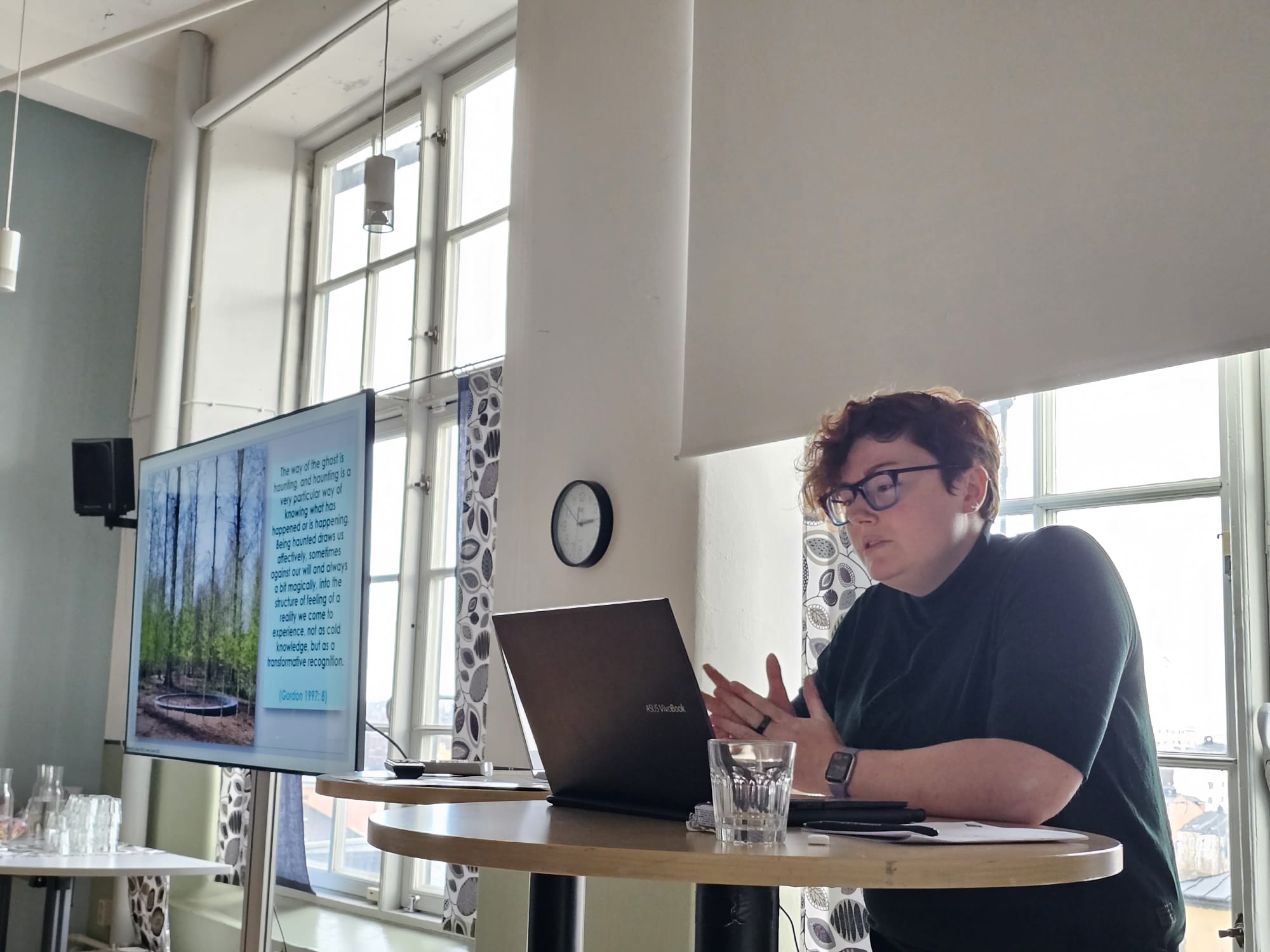
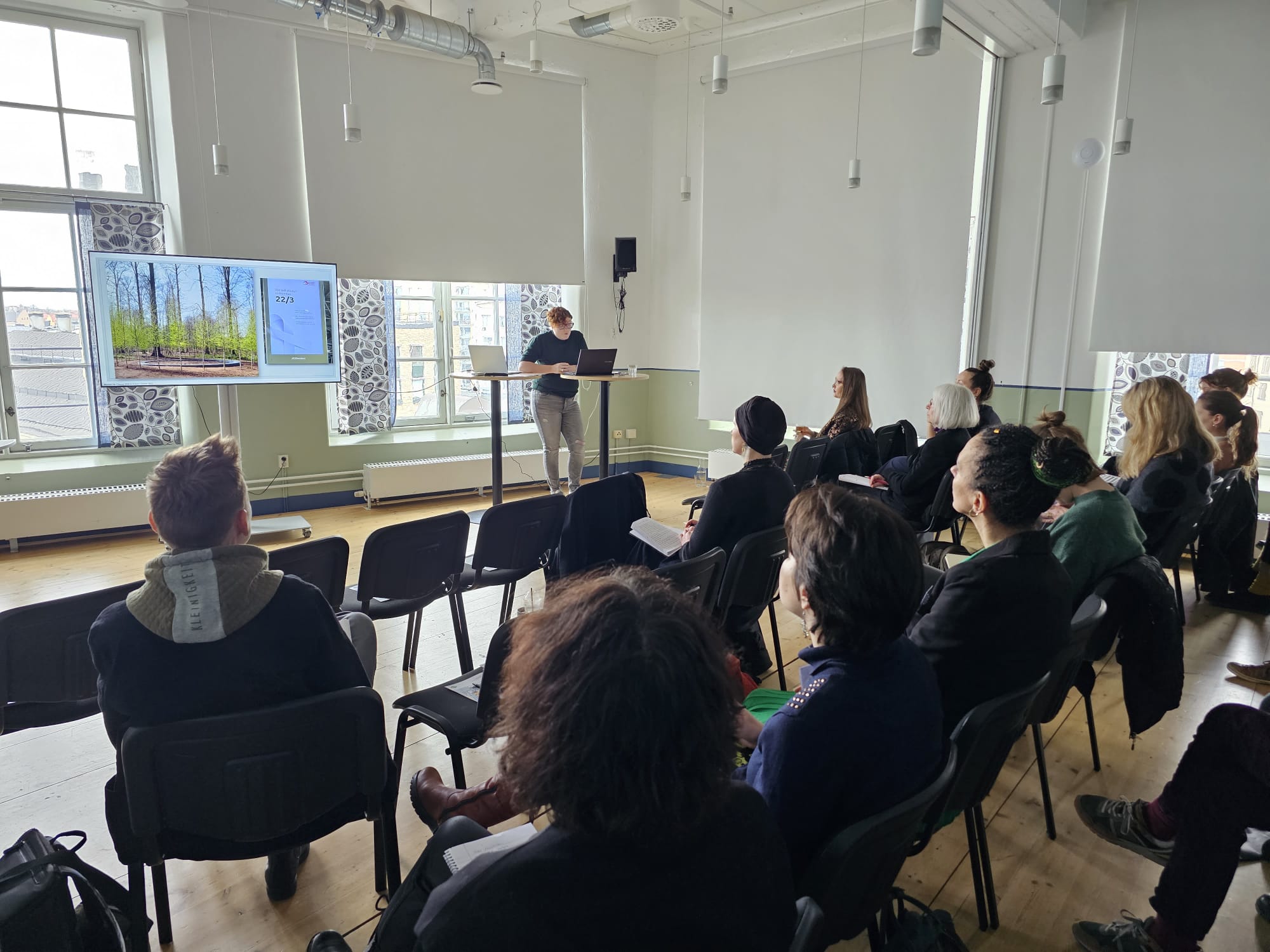
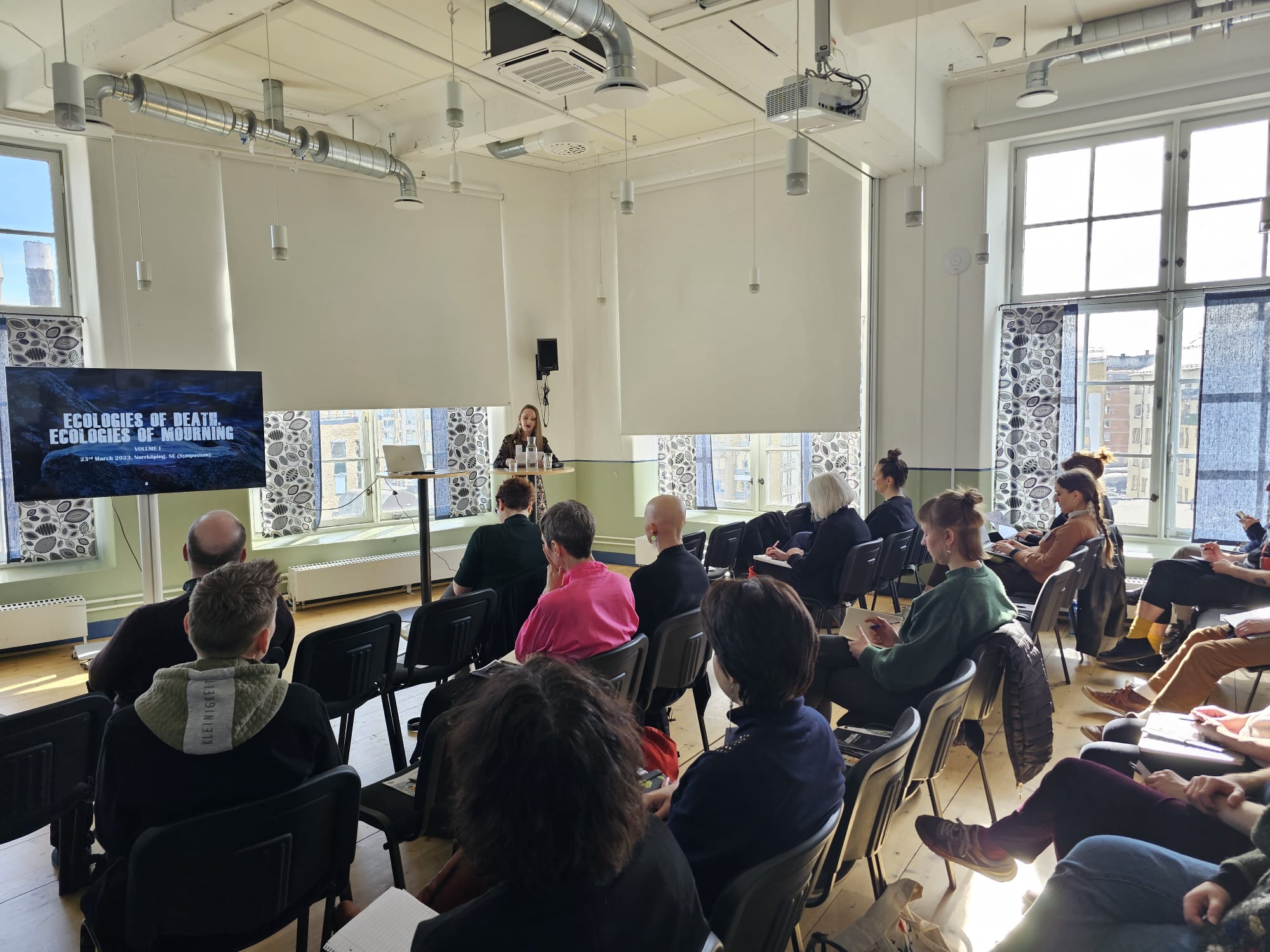
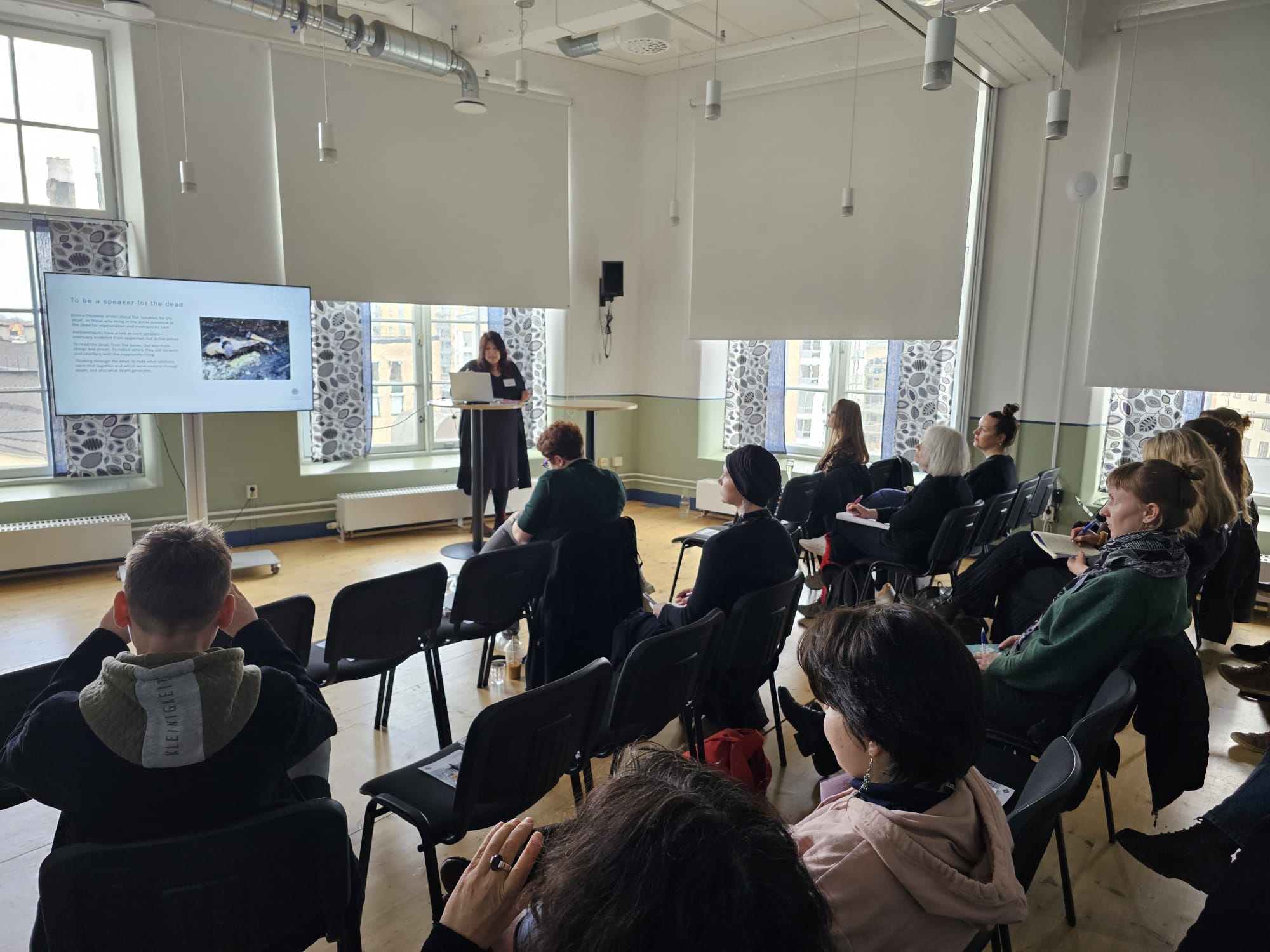
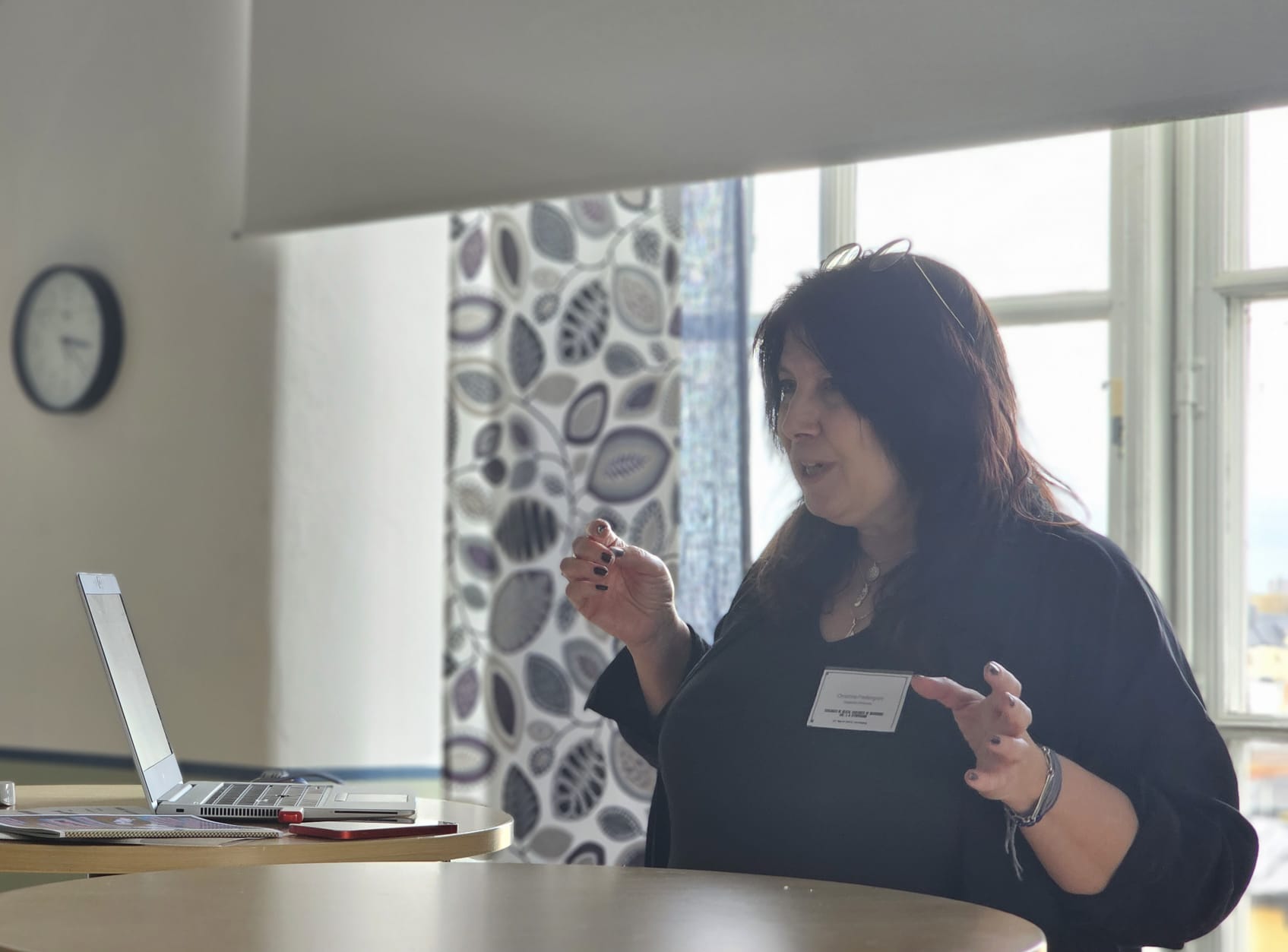
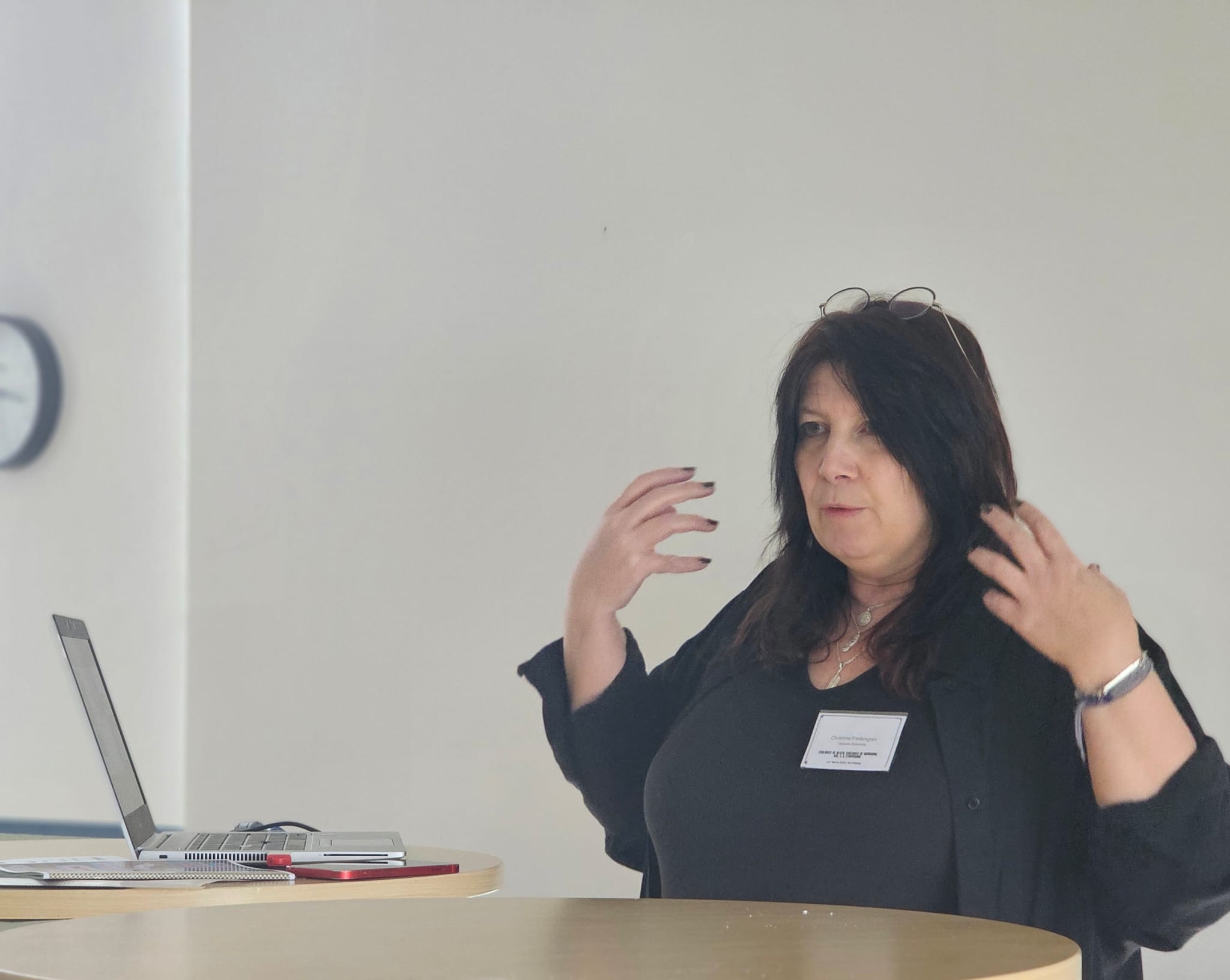
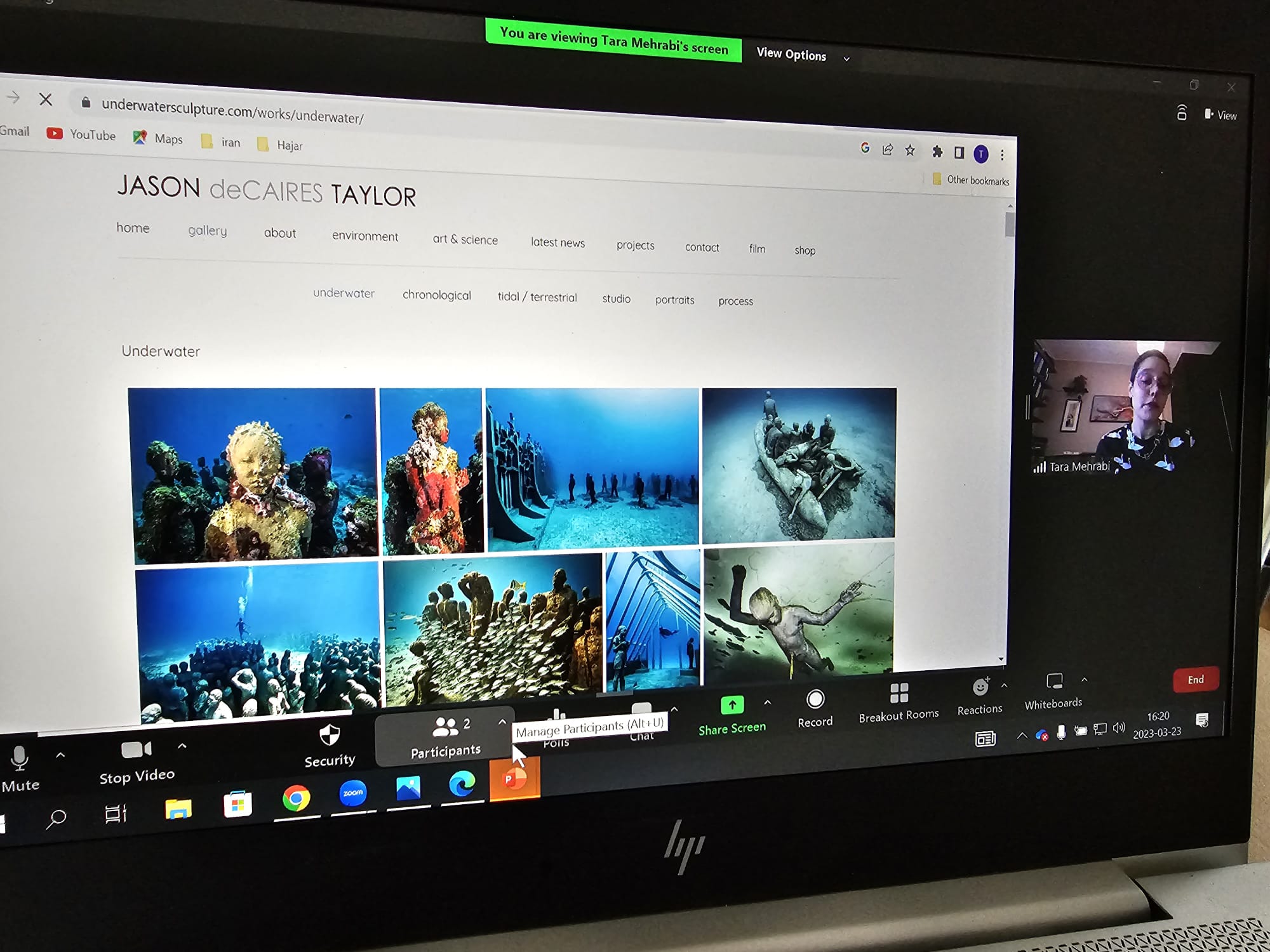
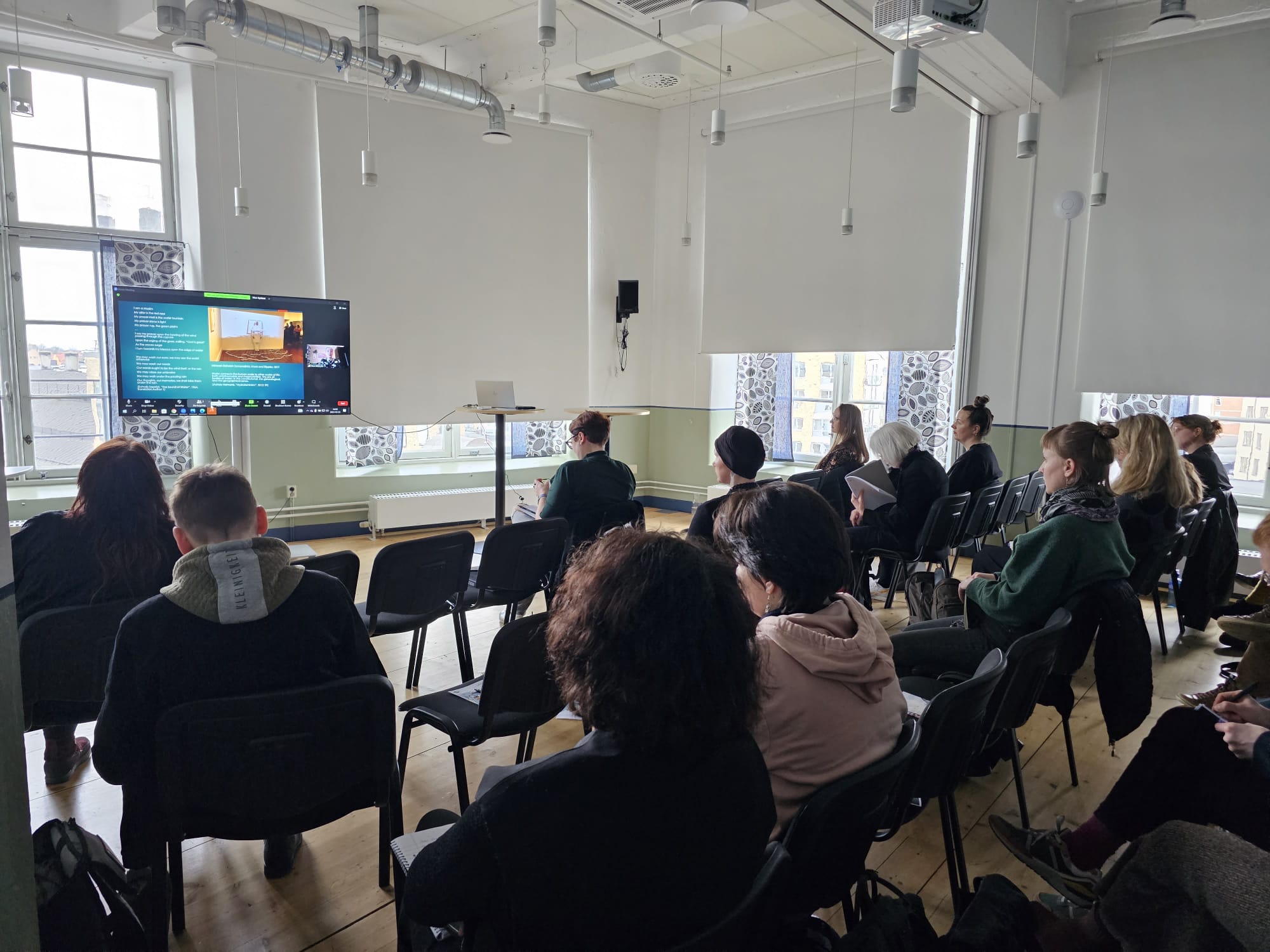
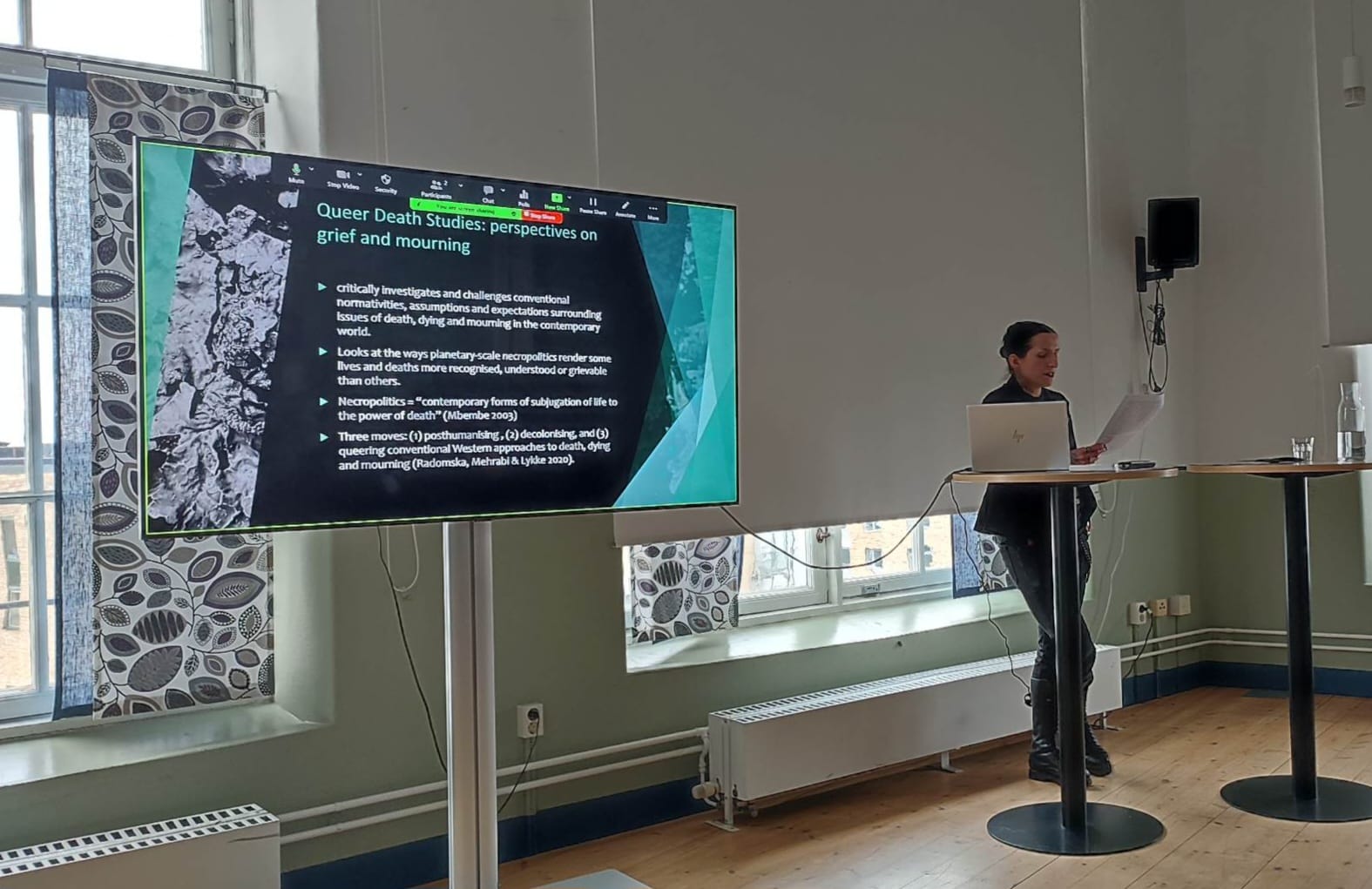
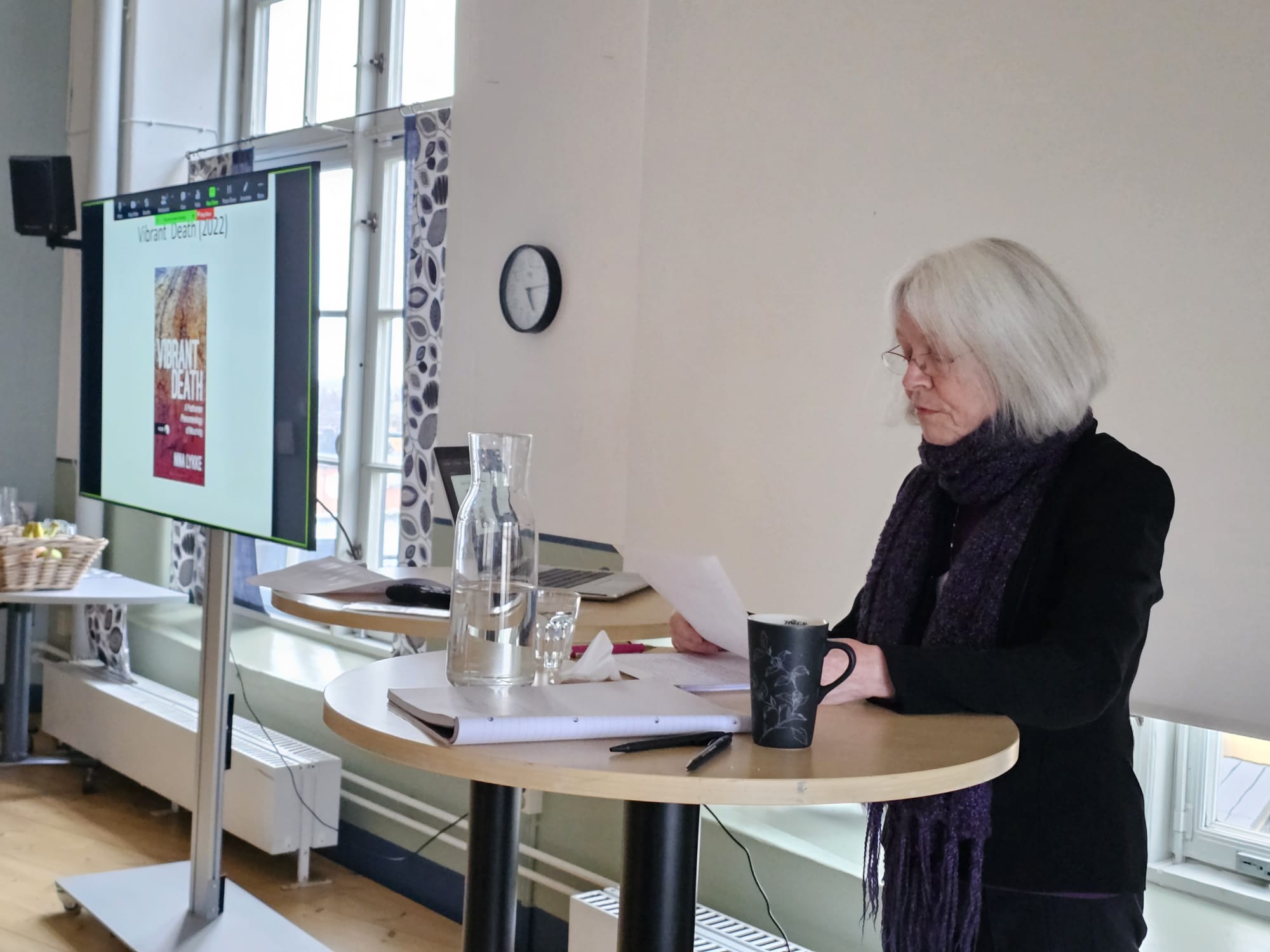
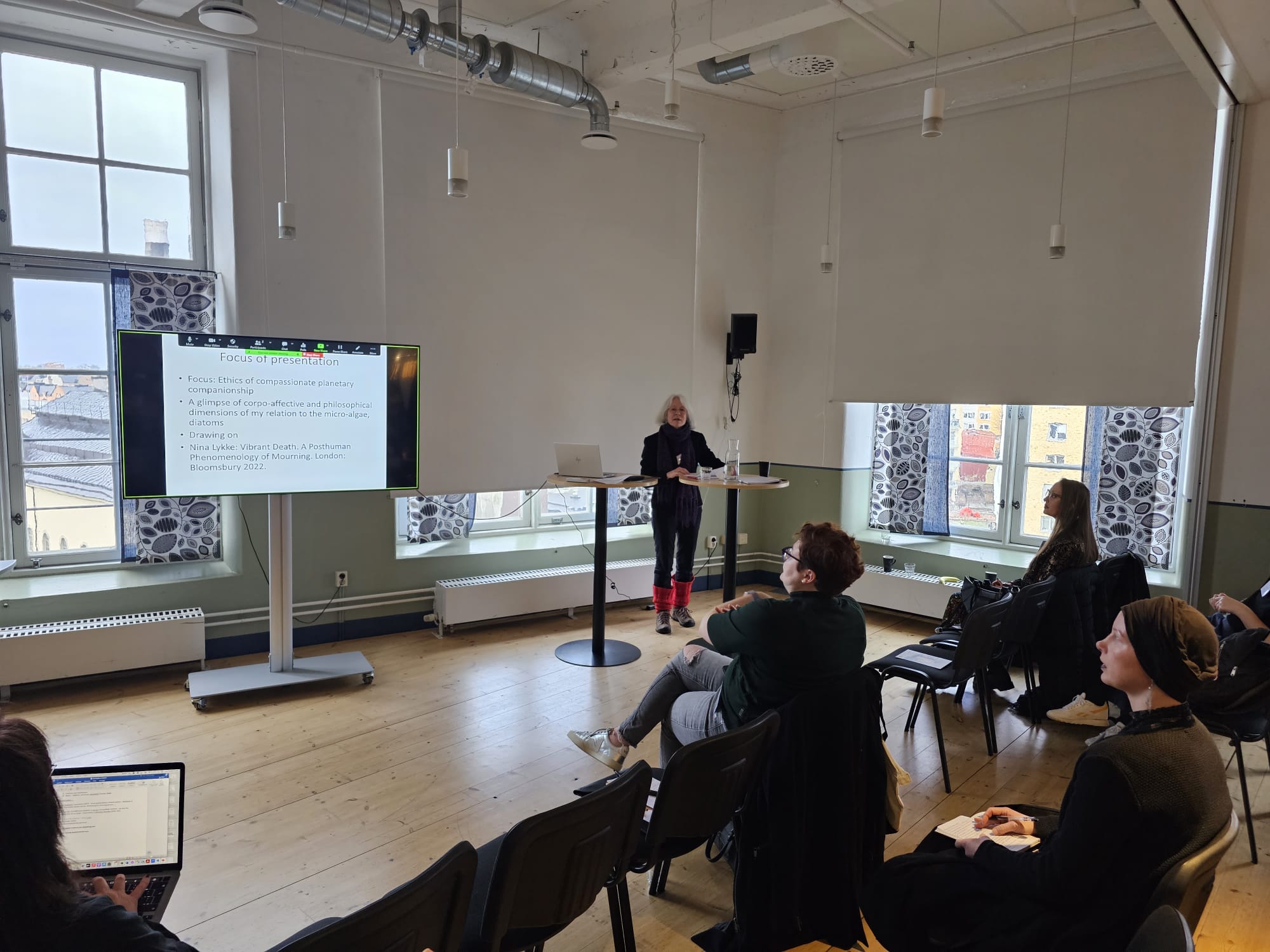
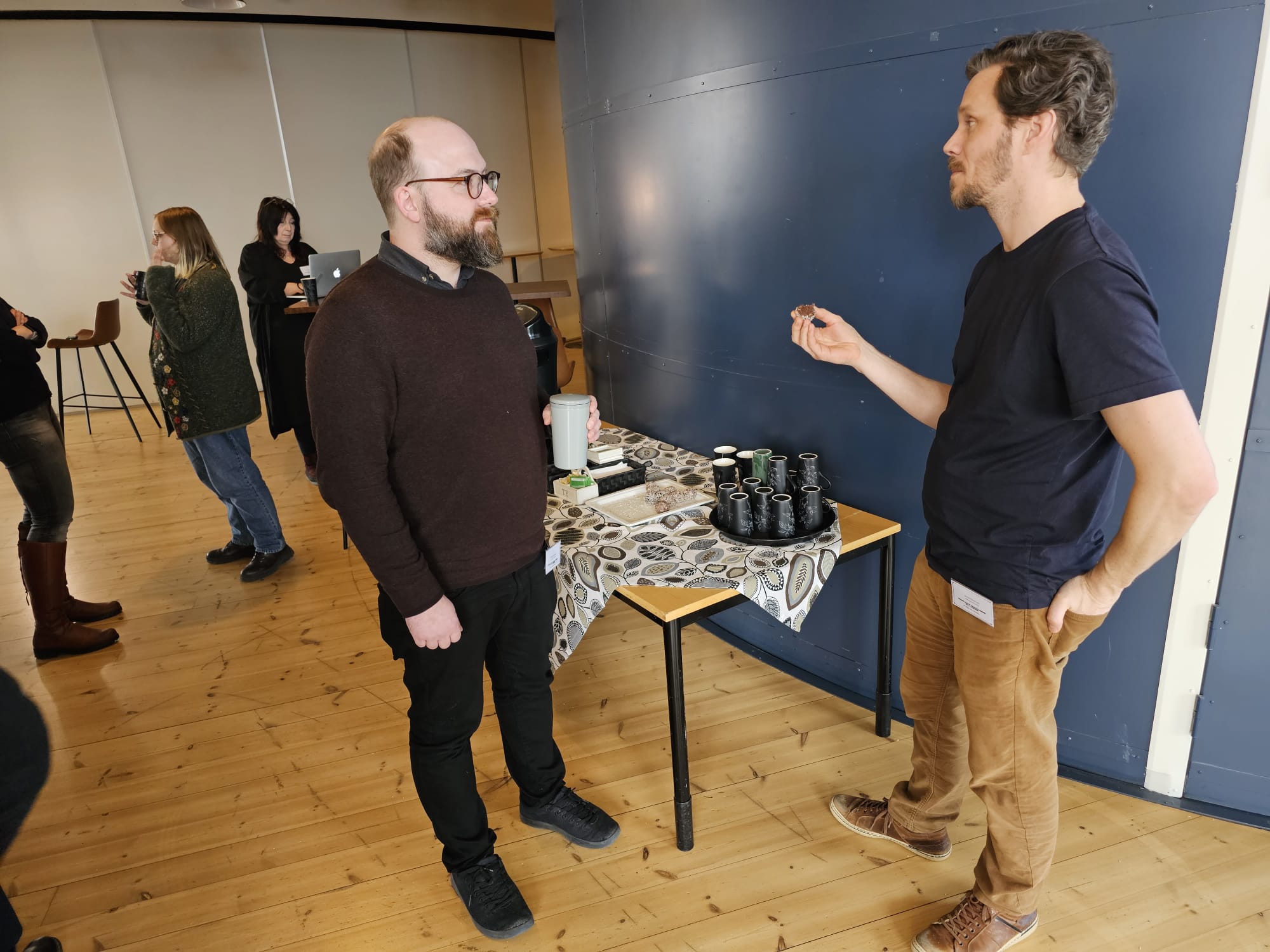
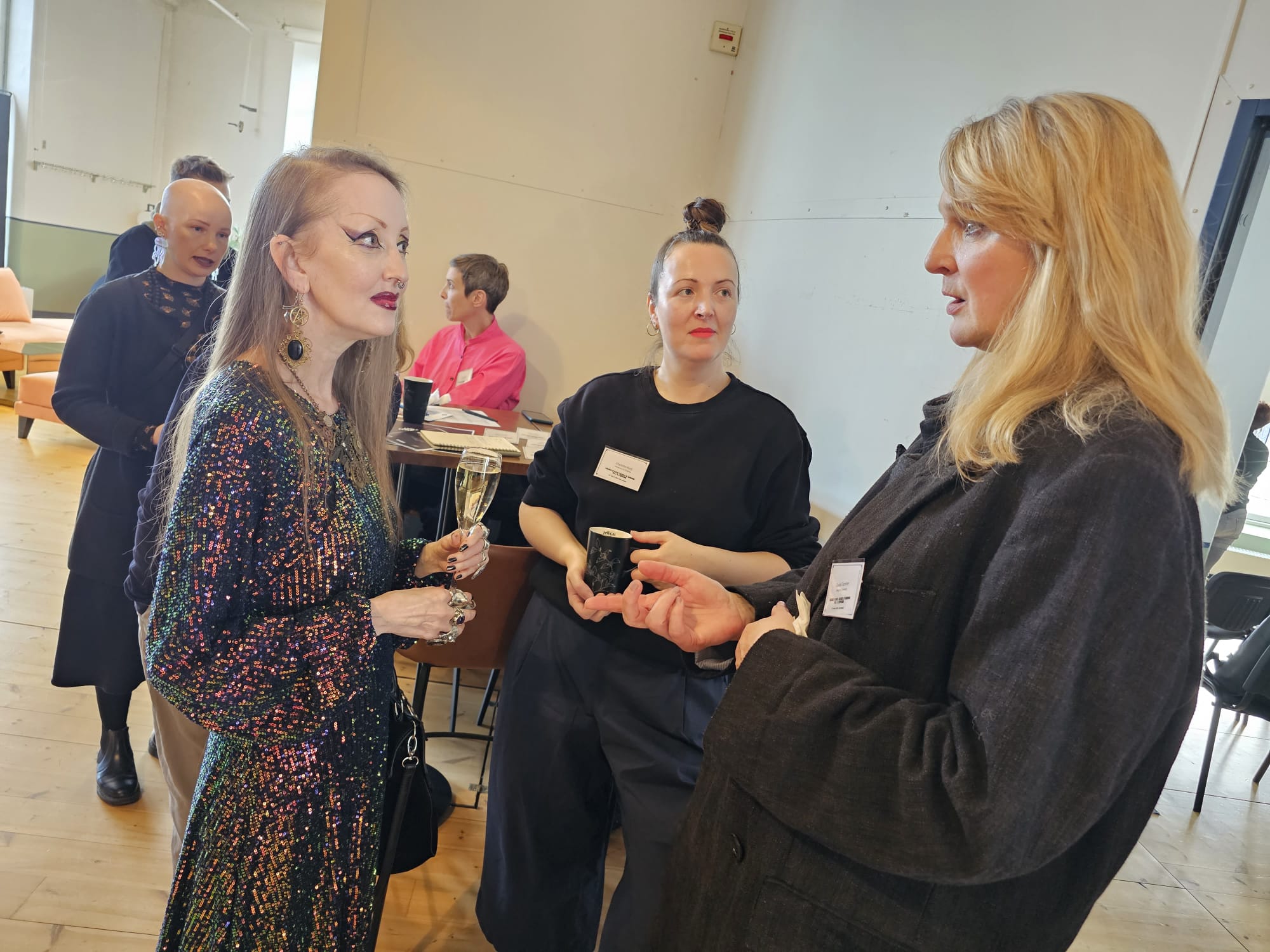
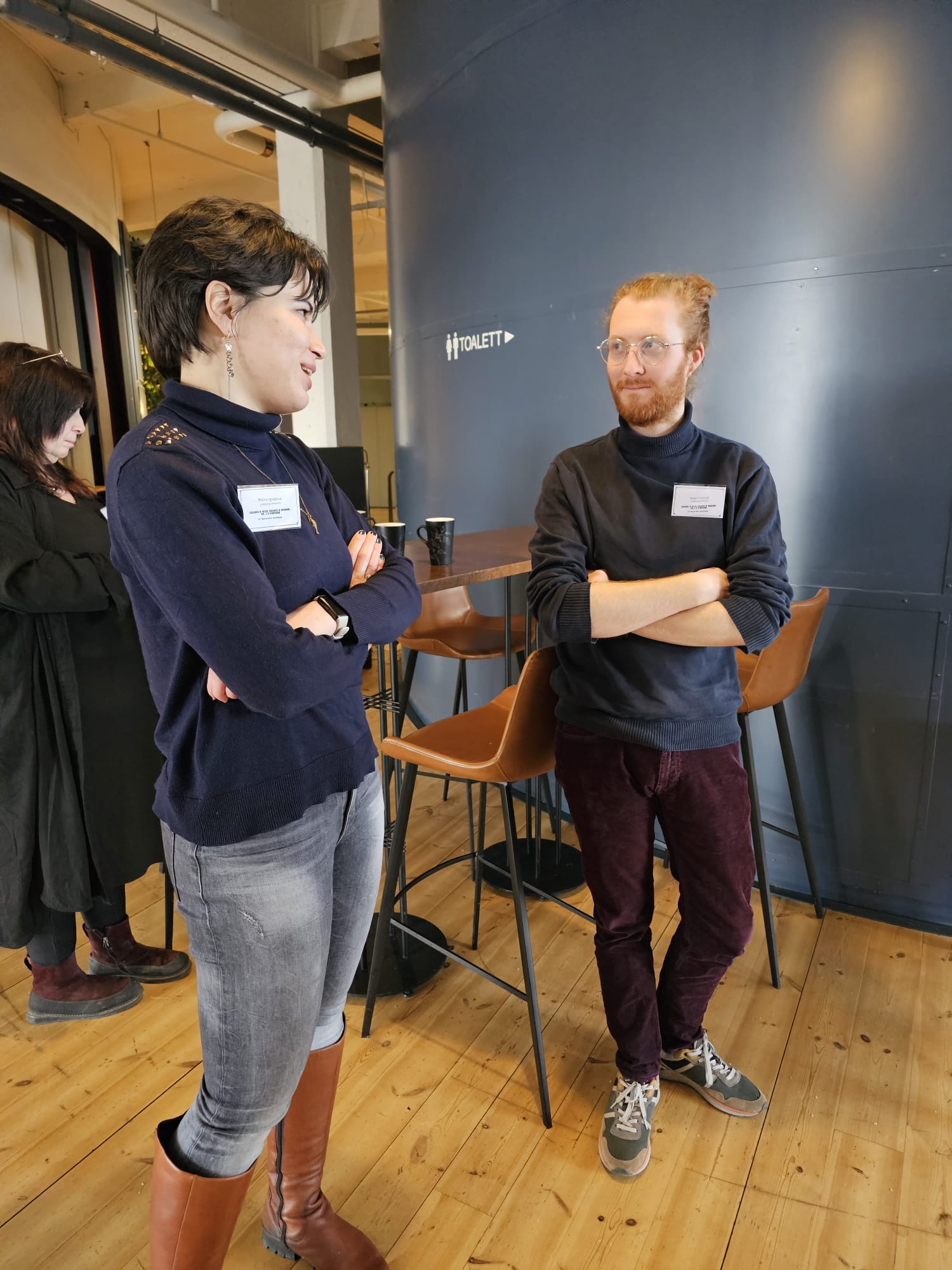
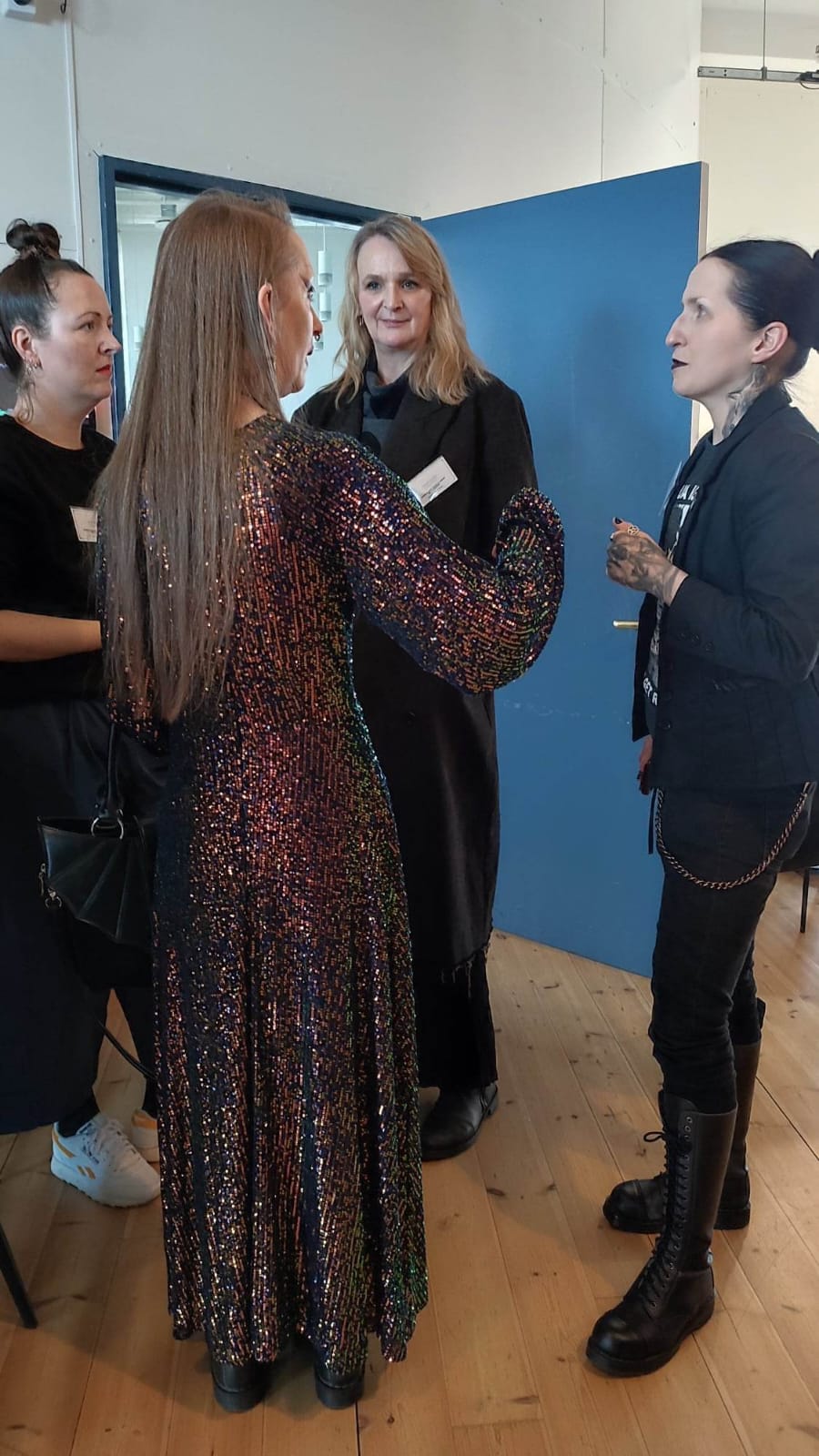
On 23rd March 2023, seven speakers and almost forty members of the audience have gathered at the Museum of Work in Norrköping for “Ecologies of Death, Ecologies of Mourning. Vol. I: An International Symposium“. The event was the first in the series of activities focused on critical and creative approaches to grief and mourning in a more-than-human context of the planetary environmental disruption and ecological crises.
The symposium was organised by The Eco- and Bioart Lab, in collaboration with Queer Death Studies Network.
Furthermore, the event was combined with the official launch of the four-year research project Ecological Grief, Crisis Imaginaries and Resilience in Nordic Lights (2022-26), led by Dr Marietta Radomska and generously funded by FORMAS: a Swedish Research Council for Sustainable Development.
Here we would like to bring some memories from the event – check out a short video recap – filmed and produced by Per Wistbo Nibell (Linköping University):
To learn more about the programme – see BELOW.
Finally, we also have a little slideshow of photos from this thought-provoking and truly inspiring event. See below.

We have a pleasure to invite you all to an exciting hybrid event organised by the Centre for Gender Studies at Karlstad University, in collaboration with The Eco-and Bioart Lab and the GEXcel collegium.
The performance lecture takes its point of departure in an artistic-philosophic collaboration between Nina Lykke and Risk Hazekamp*), who found each other in their love of micro-organisms, especially Diatoms (a micro-algae with a unique coloured shell) and Cyanobacteria (also called green-blue algae). A warm digital exchange followed, both in words and images, in which the voices of Nina and Risk eventually merged into one shared ‘I’, contemplating co-becomings with the ‘you’ of Diatoms and Cyanobacteria. Speculative, passionate conversations shaped up between these interlocutors, investigating the precarious conditions of in-between-ness, life and death on the planet, and figuring out more-than-human pathways towards joyful, ethical co-existence with the planet body beyond anthropocene extractivism and binary separations of human and non-human bodies. The performance lecture will invite audiences to engage in these conversations.
*) See: Risk Hazekamp & Nina Lykke. 2022. Ancestral Conviviality. How I fell in love with queer critters.
Forum+ Vol 29, Issue 3, p. 30-36
DOI: https://doi.org/10.5117/FORUM2022.3.008.HAZE
Nina Lykke is Professor Emerita of Gender Studies at Linköping University, Sweden, and Adjunct Professor at Aarhus University, Denmark. She* is also a queerfemme-inist philosopher-poet and writer. For many years, she* took part in the building of Feminist Studies in Scandinavia and Europe more broadly. She* has recently co-founded international networks for Queer Death Studies and Ecocritical and Decolonial Research. She* has published numerous books and
articles, most recently the philosophic-poetic monograph Vibrant Death. A Posthuman Phenomenology of Mourning, Bloomsbury, London 2022 (https://www.bloomsbury.com/us/vibrant-death-9781350149731/)
Risk Hazekamp is a Dutch interdependent visual artist, researcher, art educator, and a trans-person. Hazekamp completed the Advanced Master of Research in Art & Design at St. Lucas School of Arts Antwerp in 2020 and attended the 2020 and 2021 edition of the María Lugones Decolonial Summer School. Since 2015 Risk teaches in the Art & Research department and the minor Arts & Humanity at St. Joost School of Art & Design in Breda and Den Bosch, the Netherlands. They are now a researcher at the Biobased Research Group of CARADT (Avans University, the Netherlands), where as of April 2023, Risk will start their Professional Doctorate.
Registration link:
https://kau-se.zoom.us/…/u50kcOuorjwjE9Q…
The event is organised in collaboration with the Eco-and Bioart Lab and the GEXcel collegium.
For further information on the Eco- and Bioart Lab please follow the link: https://liu.se/en/research/the-eco-and-bioart-lab


During the second half of March 2023, The Eco- and Bioart Lab, Queer Death Studies Network and Tema G (the unit of Gender Studies) at Linköping University (LiU) have a pleasure to host our guest and visiting researcher Prof. Patricia MacCormack (Anglia Ruskin University, UK).
We are thrilled to hold several local, hybrid and online events, where you can tune in and engage with the work of Prof. MacCormack. One of these events is the Tema Genus Higher Seminar taking place on 29th March 2023 at 13:15-15:00 CEST.
Pleas, see details below!
Where: Faros, Tema huset, Campus Valla, Linköping University & on Zoom
When: 29th March 2023, 13:15 – 15:00 CEST
BIO:
Patricia MacCormack is Professor of Continental Philosophy at Anglia Ruskin University Cambridge. She has published extensively on philosophy, feminism, queer and monster theory, animal abolitionist activism, ethics, art and horror cinema. She is the author of Cinesexuality (Routledge 2008) and Posthuman Ethics (Routledge 2012) and the editor of The Animal Catalyst (Bloomsbury 2014), Deleuze and the Animal (EUP 2017), Deleuze and the Schizoanalysis of Cinema (Continuum 2008) and Ecosophical Aesthetics (Bloomsbury 2018). Her new book is The Ahuman Manifesto: Activisms for the End of the Anthropocene. She is currently a Leverhulme Research Fellow researching death activism.
The seminar is organised in collaboration with The Eco- and Bioart Lab,
For those of you who are not able to join us on location, we have great news: do tag along via zoom! You may register here: http://bit.ly/3ZRCurg


In case you cannot make it for our symposium on 23rd March in Norrköping, or if you are still thirsty and wish to explore the theme further, you are warmly invited to join us – in a bit altered line-up – for this online event:
Welcome to The Posthumanities Hub & The Eco- and Bioart Lab Webinar
30th March 2023, 13:15 – 15:00 CEST
Where: on Zoom
Our starting point for the international symposium “Ecologies of Death, Ecologies of Mourning: vol. I” (taking place on 23rd March 2023 in Norrköping, SE) is the context of planetary environmental disruption, slow and abrupt environmental violence, and the ways in which ecological, more-than-human dimensions of death have traditionally been underplayed in public debates. During the symposium, we emphasise that what is urgently needed – now more than ever – is the systematic problematisation of the planetary-scale mechanisms of annihilation of the more-than-human worlds in their philosophical, socio-cultural, ethico-political and very material dimensions.
In this follow-up roundtable, or volume II of “Ecologies of Death, Ecologies of Mourning”, the panellists: Prof. Patricia MacCormack (Anglia Ruskin University, UK), Dr Margherita Pevere (independent artist, DE/IT) and Dr Marietta Radomska (Linköping University, SE) will zoom in on the potential, role, (im)possibilities, urgencies and frictions of artistic and philosophical practices and praxes linked to ecologies of death, care, grief and mourning.
The event is curated by Dr Marietta Radomska.
Prof. Patricia MacCormack (Anglia Ruskin University, UK)
Dr Margherita Pevere (independent artist, DE/IT)
Dr Marietta Radomska (Linköping University, SE)
Patricia MacCormack, PhD, is Professor of Continental Philosophy at Anglia Ruskin University Cambridge. She has published extensively on philosophy, feminism, queer and monster theory, animal abolitionist activism, ethics, art and horror cinema. She is the author of Cinesexuality (Routledge 2008) and Posthuman Ethics (Routledge 2012) and the editor of The Animal Catalyst (Bloomsbury 2014), Deleuze and the Animal (EUP 2017), Deleuze and the Schizoanalysis of Cinema (Continuum 2008) and Ecosophical Aesthetics (Bloomsbury 2018). Her new book is The Ahuman Manifesto: Activisms for the End of the Anthropocene. She is currently a Leverhulme Research Fellow researching death activism.
Dr Margherita Pevere is an artist and researcher working across biological arts and performance with a distinctive visceral signature. Her inquiry hybridizes biotechnology, ecology, queer and death studies to create artworks that trail today’s ecological complexity. Her body of work is a blooming garden crawling with genetically edited bacteria, cells, sex hormones, microbial biofilm, blood, slugs, growing plants and decomposing remains. She is affiliated to the Eco- and Bioart Lab and co-founded the artists’ group Fronte Vacuo. Web: Www.margheritapevere.com and https://frontevacuo.com
Marietta Radomska, PhD, is an Assistant Professor of Environmental Humanities at Linköping University; director of The Eco- and Bioart Lab; co-founder of Queer Death Studies Network; member of The Posthumanities Hub; co-editor of the book series ‘Focus on More-than-human Humanities’ at Routledge (with C. Åsberg); and the PI of ‘Ecological Grief, Crisis Imaginaries and Resilience in Nordic Lights’ (2022-26; funded by FORMAS). She works at the intersection of posthumanities, environmental humanities, continental philosophy, queer death studies, visual culture and contemporary art; and has published in Australian Feminist Studies; Somatechnics; Environment and Planning E and Artnodes, among others. Web: www.mariettaradomska.com


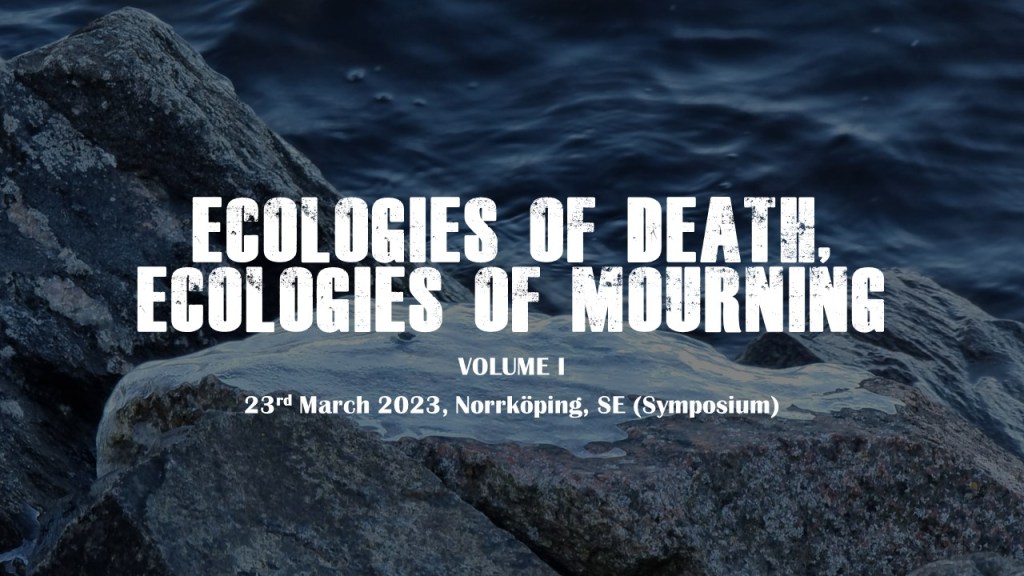
Organised by The Eco- and Bioart Lab, in collaboration with Queer Death Studies Network
Prof. Patricia MacCormack (Anglia Ruskin University, UK)
Prof. Em. Nina Lykke (Linköping University, SE/Aarhus University, DK)
Dr Evelien Geerts (University of Birmingham, UK)
Prof. Christina Fredengren (Uppsala University, SE)
Dr Tara Mehrabi & Dr Wibke Straube (Karlstad University, SE)
Dr Marietta Radomska (Linköping University, SE)
In the Anthropocene, the epoch of climate change and environmental destruction that render certain habitats unliveable and induce socio-economic inequalities and shared ‘more-than-human’ vulnerabilities, death and loss become urgent environmental concerns. As climate scientists indicate, in order to achieve UN Sustainable Development Goals (UN SDGs), a much more radical transformative action is needed from all stakeholders: governments, the private sector, communities and individuals (Höhne et al. 2020).
Simultaneously, planetary environmental disruption, contributing to the mortality of humans and nonhumans, destruction of entire ecosystems, the sixth mass extinction, both abrupt and ‘slow’ violence (Nixon 2011), evoke feelings of anxiety, anger and grief, manifested in popular-scientific and cultural narratives, art, and activism. These feelings are not always openly acknowledged or accepted in society; and the ecological, more-than-human dimensions of death have traditionally been underplayed in public debates. Yet, what we need now – more than ever – is the systematic problematisation of the planetary-scale mechanisms of annihilation of the more-than-human world in their philosophical, socio-cultural, ethico-political and very material dimensions. Only then will it be possible to talk about the issues of responsibility, accountability and care for more-than-human worlds (Radomska & Lykke 2022).
Taking its starting point in critically investigating and challenging conventional normativities, assumptions and expectations surrounding issues of death, dying and mourning in the contemporary world (Radomska, Meharbi & Lykke 2020; https://queerdeathstudies.net/), this interdisciplinary symposium zooms in on more-than-human ecologies of death, dying, grief and mourning across spatial and temporal scales.
The event is combined with the official launch of the four-year research project Ecological Grief, Crisis Imaginaries and Resilience in Nordic Lights (2022-26), led by Dr Marietta Radomska and generously funded by FORMAS: a Swedish Research Council for Sustainable Development.
13:00 – 13:15 – Introduction / Launch FORMAS Eco-Grief Project
13:15 – 14:15 – Keynote I: Prof. Patricia MacCormack (Anglia Ruskin University, UK), “The Difficult Joy of Death Activism”
14:15 – 14:45 – Break (fika)
14:45 – 15:15 – Dr Evelien Geerts (University of Birmingham, UK), “The Memorial 22/3’s more-than-human hauntings: Reimaging memory, commemoration & mourning through queer(ing) spacetimematterings”
15:15 – 15:45 – Prof. Christina Fredengren (Uppsala University, SE), “Ancestral ecologies of life, death and regeneration”
15:45 – 16:15 – Dr Tara Mehrabi & Dr Wibke Straube (Karlstad University, SE), “Unsettling Intimacies: On World-Making Practices with the Other in Minoosh Zomorodinia’s Mixed-Media Installation Knots and Ripples“
16:15 – 16:45 – Dr Marietta Radomska (Linköping University, SE), “Between Terminal Ecologies and Arts of Eco-Grief: A Queering Reflection”
16:45 – 17:00 – Break
17:00 – 18:00 – Keynote II: Prof. Em. Nina Lykke (Linköping University, SE), “Mourning (with) Diatoms”
The participation in the symposium is free of charge, but we have a limited number of seats. If you wish to take part in the event, please, fill out the form: https://forms.office.com/e/Yb4qXpyVtX
NB! EDIT: the event is now fully booked. In order to be added to the waiting list, please send an email to: ecobioartlab[at]liu.se
NB! In case you have registered and it turns out you can no longer participate, please let us know by sending an email to: ecobioartlab[at]liu.se . In this way we may be able to let in anyone who may be on the waiting list.
Photo/artwork: Marietta Radomska
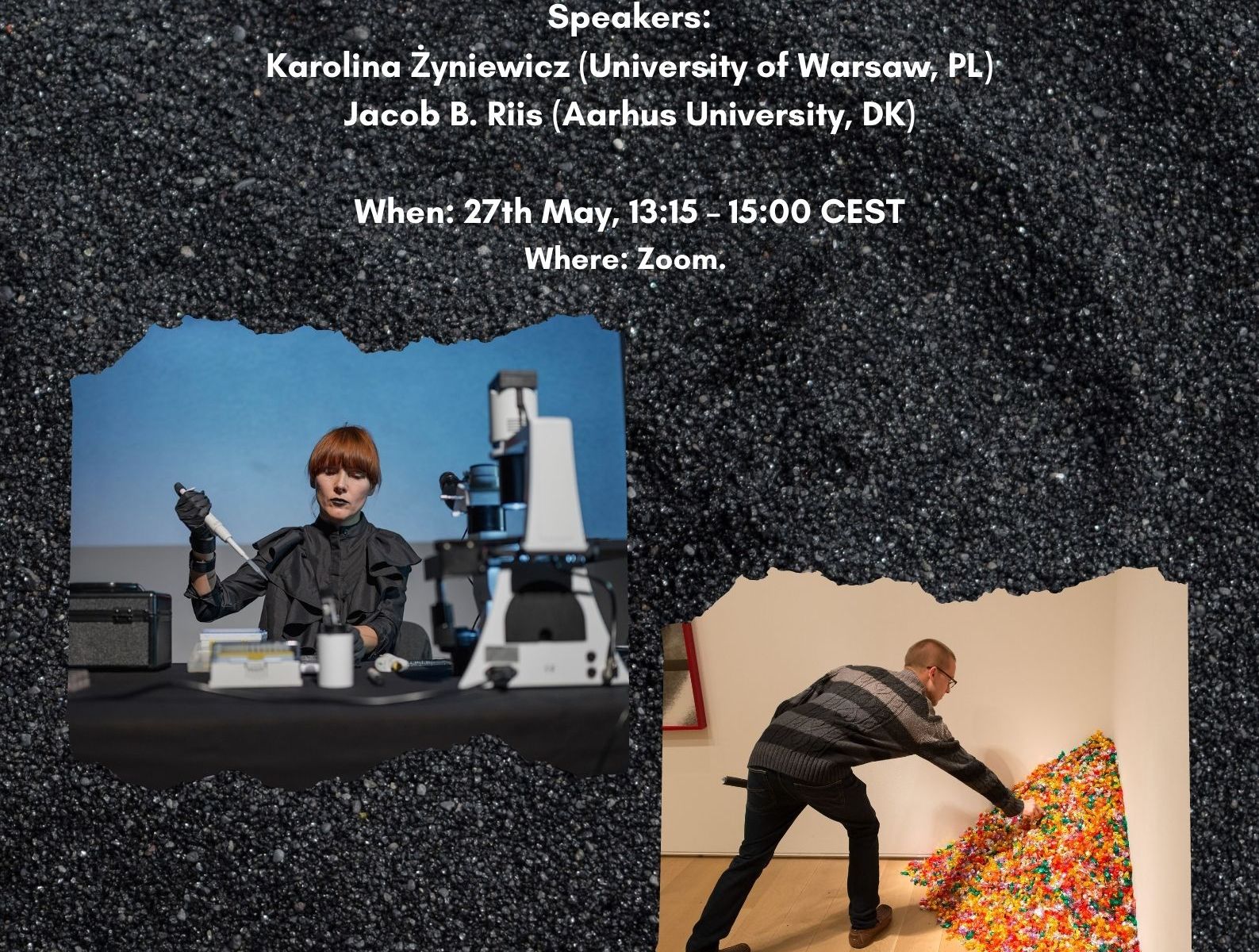
Join us for The Posthumanities Hub Seminar on Queer Death Aesthetics, which takes place on 27th May at 13:15 – 15:00 CEST and is organised in collaboration with The Eco- and Bioart Lab.
The speakers are: Karolina Żyniewicz (University of Warsaw, PL) and Jacob B. Riis (Aarhus University, DK).
For more details, also on how to REGISTER for the event, see below.
Welcome to the Posthumanities Hub Seminar on Queer Death Aesthetics with speakers: Karolina Żyniewicz (University of Warsaw) and Jacob B. Riis (Aarhus University)!
Queer Death Studies (QDS) is an emerging transdisciplinary field that critically investigates and challenges conventional normativities, assumptions and expectations surrounding the issues of death, dying and mourning in the contemporary world. In particular, QDS pays attention to the ways planetary-scale necropolitics render some lives and deaths more recognised, understood or grievable than others. If ‘queering’ in QDS is understood in a broad, open-ended sense as strange-making, defamiliarising, where the critical defamiliarisation implied may lead to an opening of other, more affirmative horizons, what would then ‘queer death aesthetics’ mean? During the seminar we will try to tackle this question in depth…
The event is curated by Dr Marietta Radomska and is organised in collaboration with The Eco- and Bioart Lab.
When: 27th May 2021, 13:15 – 15:00 CEST
Where: On Zoom
REGISTRATION: In order to take part in the seminar, please register by sending an email to the.posthumanities.hub@gmail.com by 25th May 2021 at noon (CEST) the latest.
The Zoom link will be sent to you on 26th May.
Speakers:
Safe suicide – becoming immortal and dying anyway.
By Karolina Żyniewicz
How to experience immortal life and death at the same time? How to do it safely, without a risk? Are cells isolated from my body still part of me? These were the main questions which I asked to myself and to my scientific collaborators in the beginning of working on safe suicide project. The project was transmattering on many different levels, a transformation of the body and its notion, understanding of life and death coalition, cognitive production, artistic expression. In the frame of the project I immortalised my cells, B lymphocytes just in order to decide about their death. Technically speaking, it was giving to them/myself immortality to take it back in many different experiments. It was being a donor, an observer, a caretaker and a killer at the same time. The project does not give precise answers for the posted questions but it allows to envision what means being liminal, being many and being constantly reconfigured.
Bio
Karolina Żyniewicz is an artist (2009 graduated from the Academy of Fine Arts in Łódź, Department of Visual Arts) and researcher, PhD student (Nature-Culture Transdisciplinary PhD Program at Artes Liberales Faculty, University of Warsaw). Working in a laboratory (mostly at the Institute of Genetics and Biotechnology, Faculty of Biology, University of Warsaw) locates her works in the field of bio art, although she tries to avoid using this term.
Are we dead yet?
By Jacob B. Riis
One of the defining characteristics in human behavioural modernity is burial of the dead in conjunction with ritual and art – art’s primordial love affair is with putrefying corpses. This project outlines a genre that utilises material corpses to produce contemporary art pieces. I currently conceptualise this art form as Necro Art, which serves to connect it to Mbembian inspired Necro Aesthetics and simultaneously establish it as its own field or genre within Art History. While perhaps being a version of Body Art originating in Viennese Actionism, Necro Art simultaneously aligns along different trajectories. It samples and shuffles in early human ritual, folkloric, pagan and rural art forms usually not present in realms of High/Academic Art, and brings the overlooked, the spectral, the magical, and the illiterate too Art History. Through focus on materiality, agency and constellations of subjectivities, each artwork conjures ghosts, reveals life where there is none, and allows its experiencer to connect with the dead, forcing us to reconsider the boundaries of life.
Bio
Jacob B. Riis, Art historian (graduated from Copenhagen University in 2014), 2009-2014 Curator Assistant at The Danish Museum of National History, Hillerød, 2014-2018 Head of Teaching and Curator at Ordrupgaard in Copenhagen, currently PhD student at Art History, Aarhus University.


NEWS via InterGender, Consortium and Research School in Interdisciplinary Gender Studies www.Intergender.net
Online format:
Course Certificate:
The Consortium Coordinator issues, upon request, a certificate indicating to how many ECTS credits course participation is considered equal. It is the students’ own responsibility to ask their institution about its accreditation rules and get the credit points registered at their respective higher education establishment.
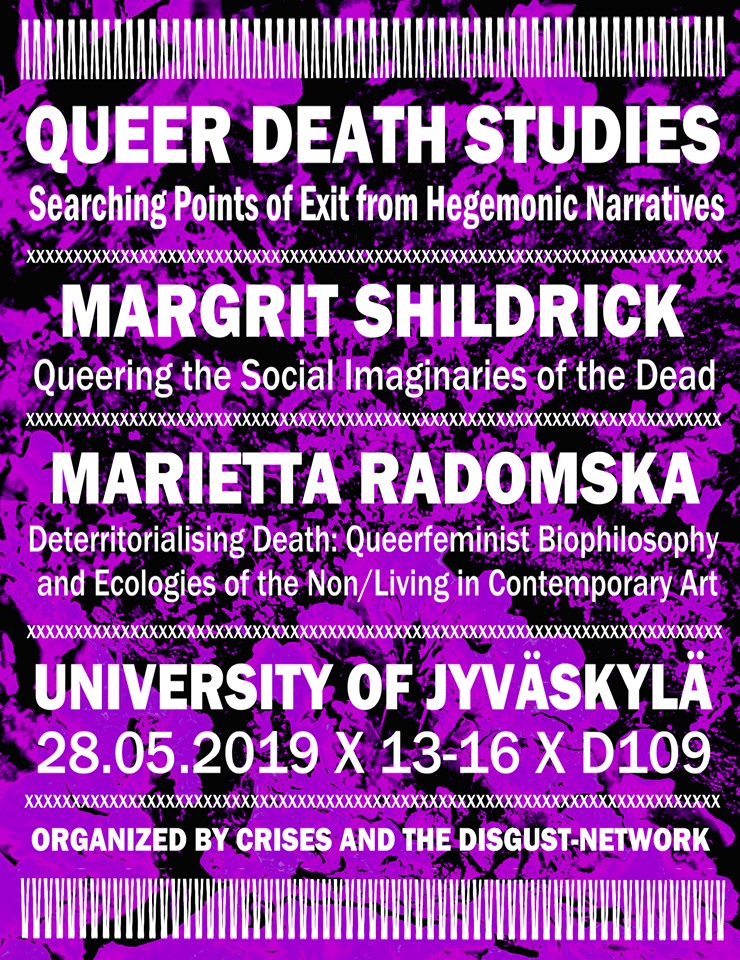
Welcome to the seminar “Queer Death Studies: Searching Points of Exit from Hegemonic Narratives” with Professor Margrit Schildrick and Dr. Marietta Radomska.
The seminar, held on the 28 of May (D 109) at 13-16, is organised by the Disgust Network in collaboration with Crises Redefined: Historical Continuity and Societal Change. Further details below.
Queer Death Studies Network, established in 2016, constitutes a space for researchers, students, artists, activists, and other practitioners who critically and (self) reflexively investigate and challenge conventional normativities, assumptions, expectations, and regimes of truths that are brought to life and made evident by death, dying, and mourning.
The conventional engagements with the questions of death, dying and mourning are insufficient and reductive: they are often governed by the normative notions of the subject; interhuman and human/nonhuman bonds; family relations and communities; rituals; and finally, experiences of grief, mourning, and bereavement. Moreover, these engagements are often embedded in constraining beliefs in life/death divides, constructed along the lines of conventional religious and/or scientific mind/body dualisms.
Against this background, Queer Death Studies serves as a site for ‘queering’ traditional ways of approaching death both as a subject of study and philosophical reflection, and as a phenomenon to articulate in artistic work or practices of mourning. Here, the notion of ‘queer’ conveys many meanings. It refers to researching and narrating death, dying and mourning in the context of queer bonds and communities, where the subjects involved/studied/interviewed and the relations they are involved in are recognised as ‘queer’. Simultaneously, the term ‘queer’ can also function as an adverb and a verb, referring thus to the processes of going beyond and unsettling (subverting, exceeding) binaries and given norms, normativities, and constraining conventions. In other words, ‘queer’ becomes both a process and a methodology that is applicable and exceeds the focus on gender and sexuality as its exclusive concerns.
This seminar brings together papers by two scholars whose work is embedded in the field of Queer Death Studies and who’s been active in the formation and development of QDSN.
Abstract:
I offer a philosophical examination and queering of the social imaginaries of the dead – with specific reference to the recent public disclosures about death in Ireland’s Mother and Baby Homes – by looking at the issue of spectrality through the work of Derrida and others. What does it mean to respond to the dead, who, though temporarily forgotten, return to haunt us not as remembered human beings but as remnants or remainders? The normative distinctions between past and present; past, present and future; between living and non-living; absence and presence; and self and other are all made indistinct when displaced by a non-linear temporality. What differential is in play with respect to those who are grievable (as Butler has it) and the others who constitute bare life (Agamben)? Following the re/discovery of those dead lost to public discourse, the strategy of memorialisation seems inadequate. I will outline instead an alternative hauntological ethics, as suggested by Derrida, and ask if there are queer social imaginaries that allow us to live well with the dead not because we give them respect, but because death itself has been rethought? I will close with some speculations arising from Deleuze’s understanding of vitalism and Braidotti’s optimistic claim that ‘death frees us into life’.
Bio:
Margrit Shildrick, PhD is Guest Professor of Gender and Knowledge Production at Stockholm University. Her research covers postmodern feminist and cultural theory, bioethics, critical disability studies and body theory. Books include Leaky Bodies and Boundaries (1997), Embodying the Monster (2002) and Dangerous Discourses of Disability, Sexuality and Subjectivity (2009), as well as several edited collections and many journal articles. Most recently, she has been addressing the socio-political and embodied conjunction of microchimerism, immunology, corporeal anomaly and death.
Abstract:
In the contemporary context of environmental crises and the degradation of food and water resources, certain habitats become unliveable, leading to the death of individuals, populations and species extinction. Whilst bioscience emphasises interdependency and relationality as crucial characteristics of life shared by all organisms, Western cultural imaginaries tend to draw a thick dividing line between humans and nonhumans, particularly evident in the context of death. On the one hand, death appears as a process common to all forms of life; on the other, as an event that distinguishes human from other organisms (e.g. Heidegger 2010 (1953)).
Against this background, this paper explores how contemporary art – in particular, the series of works The Absence of Alice (2008-2011) by Australian new-media and bioartist Svenja Kratz – challenges the normative and human-exceptionalist concept of death. By employing queerfeminist biophilosophy (Thacker 2008; Radomska 2016) as a strategy that focuses on relations, processes and transformations instead of ‘essences’, the paper examines the ways Kratz’s works – read through feminist-materialist theorising – deterritorialise (Deleuze & Guattari 2004) the conventional concept of death. In this way, it hopes to attend to the intimacies between materialities of a human and nonhuman kind that form part of the processes of death and dying, and what follows, to reframe ethico-ontology of death as material and processual ecologies of the non/living.
Bio:
Marietta Radomska, PhD, is a Postdoc at the Department of Thematic Studies (Gender Studies), Linköping University, SE, and a Visiting Postdoctoral Researcher at the Department of Cultures (Art History), University of Helsinki, FI. She is the co-director of The Posthumanities Hub; founder of The Eco- and Bioart Research Network, co-founder of International Network for ECOcritical and DECOlonial Studies and a founding member of Queer Death Studies Network. Radomska is a philosopher and transdisciplinary gender studies and posthumanities scholar. Her current research project focuses on ecologies of death in the context of contemporary art. She is the author of the monograph Uncontainable Life: A Biophilosophy of Bioart (2016), and has published in Australian Feminist Studies, Somatechnics, and Angelaki, among others.
Organizers: Natashe Lemos Dekker (University of Amsterdam and Leiden University Medical Center) and Jesse D Peterson (KTH Royal Institute of Technology)
Place: Environmental Humanities Laboratory, Division of History of Science, Technology, and Environment, KTH Royal Institute of Technology, Stockholm, Sweden
Dates: September 26-27, 2019
Description
Death is often assumed to arrive when heart and lungs stop. Yet, sometimes the borders between life and death are unclear. Death, then, may get interrupted, delayed, or come undone, disrupting the “natural” and “normal” forms of a “good” death. We acknowledge such disruptions as material and discursive; that is, bodies, minds, geographies, stories, and more act to challenge human perspectives on how people, animals, plants, or things ought to die and where and how the dead ought to be laid to rest. Suddenly, what seemed coherent no longer is, in the breakdown or dissolution of that which is dying but also in the way one orders worlds and afterworlds.
This workshop, thus, seeks to explore socio-ecological networks of the dying and dead that exist at the margins. We see tantalizing glimpses of this endeavor in the work of Achille Mbembe’s notion of “necro-politics” that explores the instrumentalization and material destruction of the human, Philip R. Olson’s “necro-waste” that looks at the human body as a form of material waste, and Joshua Reno’s work on the biosemiotics of shit as a “sign of life.” Such work invites us to pursue and further identify ways to explore and establish connections between dying and death from perspectives that refute a nature/culture binary—to ask questions such as:
· What boundary work takes place to construct and maintain the categories of alive, not-alive, dead, dying, and undead for places, objects, and beings?
· How do states and processes of acquiescing to, existing in between, manipulating, or overcoming life and/or death affect normative assumptions about dying and death?
· What might it mean to reconfigure human understanding of death to a more ecological frame that accommodates more-than-human lives and/or deep time?
· How might the memories, spirits, or spiritualities related to the dead and dying limit, expand, or explode a material-discursive frame?
· How do such challenges alter ethical approaches or values attached to dying and death?
Through this workshop, we hope to build a bridge between scholars working in the medical and environmental humanities and the social sciences, providing a venue to put into conversation research that explores how dying “bodies”—animal (including human), plant, thing, place—challenge natural, normative, and notions of a “good” death. We encourage applications from scholars whose research practices consider feminist and queer studies, new materialism and waste, plant and animal studies, non-western or indigenous studies, and/or death studies.
Deadline for abstracts is June 5, 2019. Please send your abstract (max 250 words) and a short biography (100 words) to Natashe Lemos Dekker (N.LemosDekker@uva.nl) and Jesse Peterson (jessep@kth.se). Notifications of acceptance will be sent on June 11, 2019 or shortly thereafter.
We are happy to announce that Philip R. Olsen and Marietta Radomska will give keynote lectures and participate in the workshop. Participants will be asked to submit their papers by August 31. These will be pre-circulated to all participants and each paper assigned a discussant. Papers do not need to be finished articles, but can take the form of a think piece of up to 6 pages. We ask all participants to read all contributions beforehand to ensure in-depth discussion. During the workshop, each participant will pitch their work, followed by another participant who will act as a discussant, and who will pose remarks and questions. All participants will be allocated a text to discuss.
The workshop will be held at KTH – Royal Institute of Technology in Stockholm on September 26-27, 2019. A workshop dinner will take place on the night of the 26th. Lunch and coffee will also be provided free of charge during the workshop. We may be able to offer partial travel reimbursement for some applicants.
See the original post here
 Queer Death Studies Network