Routledge International Handbook of Queer Death Studies is OUT!

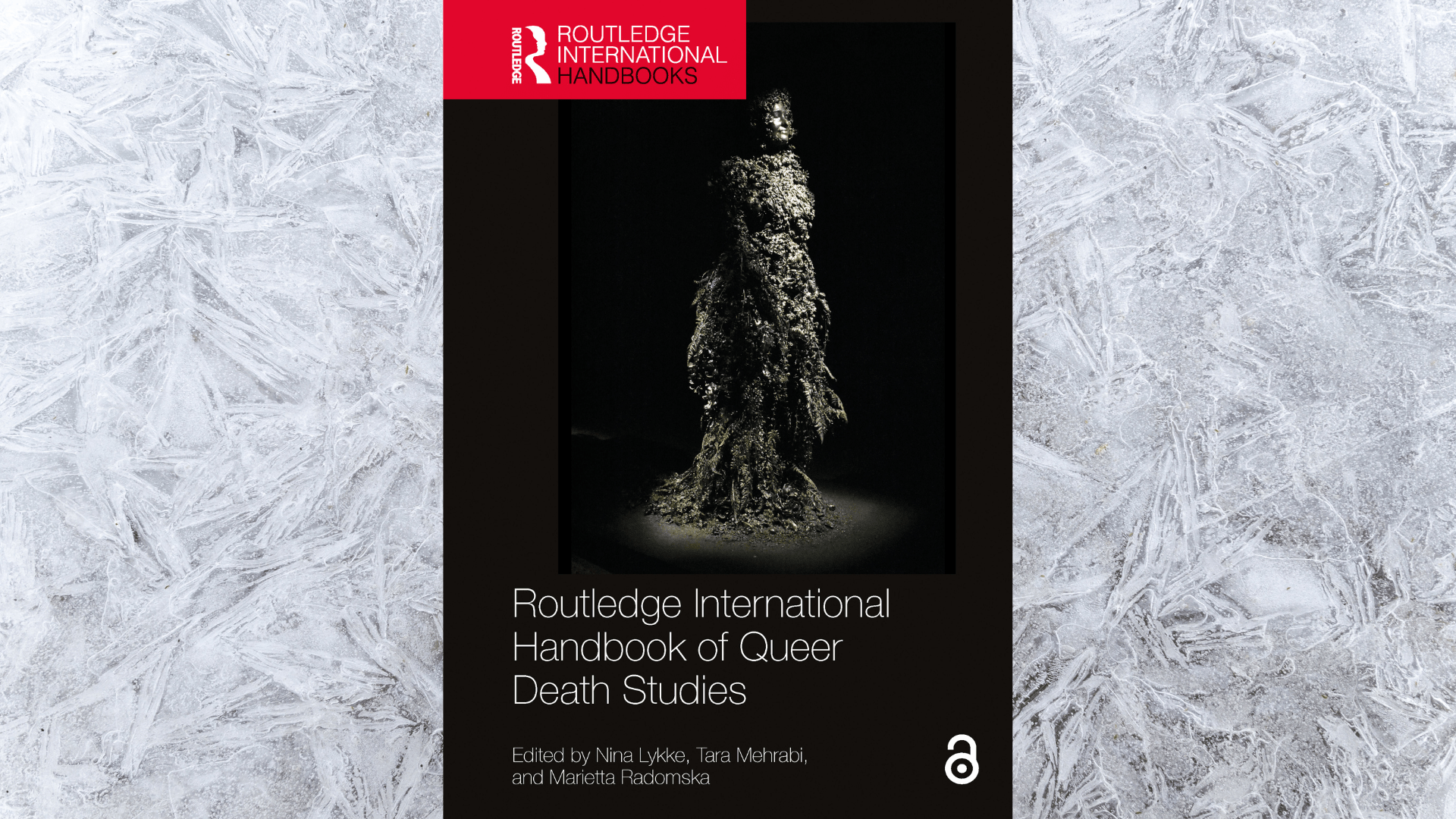
At the end of October 2025 – which means already five months ago – the long awaited major publication came out!

The 758-page volume: Routledge International Hanbook of Queer Death Studies, edited by Nina Lykke, Tara Mehrabi, and Marietta Radomska encompasses 63 chapters, written by 75 authors. The book consists of seven thematic sections: I. Rethinking  Life/Death Ecologies and Temporalities; II. Anthropocene Necropolitics and Extinction; III. Caring Death Activism; IV. Aesthetics and Mediated Imaginaries of Death; V. Politics and Ethics of Grieving Practices and Remembrance; VI. Co-Becoming with the Dead and Spectral Mourning; and VII. Imagining Life/Death Entanglements Differently.

Broadly speaking, the Handbook aims to provide a comprehensive, international cartography of Queer Death Studies, offering broad, in-depth insights into the field and its emergence through tentacular transdisciplinary networking. Taking research and art-making on death, dying, mourning, and afterlife into new directions, it explores the multiple effects of contemporary necropolitics and the proliferation of death-worlds during the current period of Earth’s history, ‘The Anthropocene’ or ‘the Age of Man’.

Informed by queer, critical posthumanist, decolonial, and feminist approaches, the Handbook presents a unique variety of both critical and affirmative reflections upon the world’s intersecting necropowers, and ethico-political potentials for social and environmental change. Contributors speculate on ways to reimagine life/ death-relations as vibrant entanglements. They also investigate modes of mourning differently, resisting necropolitical regimes that deem human and non-human individuals and populations to be disposable and non-grievable when they differ too much from the normative modern subject, Universal Man, in terms of intersections of gender, racialisation, class, sexuality, embodiment, embrainment, geopolitical positioning, or species.

A thought provoking read, this Handbook is intended for broad global audiences of researchers, artists, teachers, students, death-professionals, (health)careworkers, activists, and NGOs interested in tools to rethink and reimagine death, dying, mourning, and afterlife from intersections of queering, decolonising, posthumanising, and feminist perspectives.

The volume includes two chapters that are available in OPEN ACCESS.
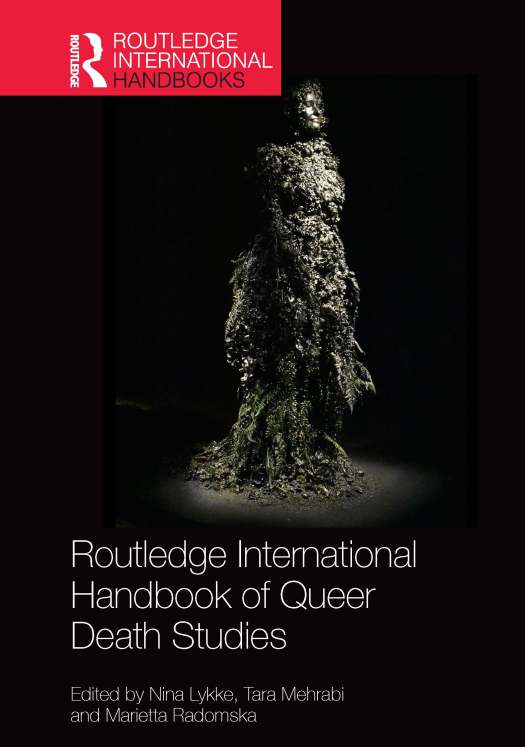
The cover of the Routledge International Handbook of Queer Death Studies

News from Utrecht University: NOISE Summer School on Queer Death Studies

Today we have some exciting updates for you directly from our colleagues at Utrecht University, namely, an invitation to sign up for a PhD and MA student-focused NOISE Summer School on “Queer Death Studies: Loss and Grief in Contemporary Bio- and Necropolitics which takes place on 26-30 August 2024 in Utrecht, NL.
The 2024 edition of the summer school is coordinated by Dr Ida Hansen (Utrecht University) and Prof. Em. Nina Lykke (Linköping University).

Here is a brief description taken from the organisers’ website:

“Embedded in the emerging field of Queer Death Studies, this year’s NOISE summer school focuses on the topics of loss and grief by bringing perspectives from the fields of queer feminist, posthuman and eco-critical, anti-racist and post- and decolonial studies to bear on contemporary questions, practices and politics of life and death.

The interdisciplinary field of Queer Death Studies has, in recent years, taken shape as critical interventions in and reconfigurations of the ontologies, epistemologies and ethics that limit the conventional study of death and dying to the anthropocentric, racist, sexed/gendered and otherwise normatively figured human subject and its similarly imagined relations, with little attention paid to the impacts of contemporary bio- and necropolitics (Radomska, Mehrabi and Lykke 2020). Simultaneously, the topic of grief has received heightened attention with its recent realization as psychiatric diagnosis (i.e., the entries of “Prolonged Grief Disorder” in the DSM-5-TR and the ICD-11). Across expert discourse and popular-societal debate, however, resides a tendency to constrain engagement with experiences of loss to the question of whether to perceive of grief as pathology, rather than asking what else this phenomenon might have to tell us about life and death. […]”

READ MORE ABOUT THE SUMMER SCHOOL AND LEARN HOW TO REGISTER.

New special issue of Research in Arts & Education focused on Death is OUT now!

We have a pleasure to share with you the latest update from the editors of the OPEN ACCESS journal Research in Arts & Education, namely, that the special issue focused on topic of death and guest-edited by Helena Sederholm has now been published! Below we include a brief summary from the editors of the journal and the table of contents.

Check it out!

Research in Arts and Education Thematic issue on Death is now published. 

Guest Editor: Helena Sederholm

In this thematic issue, we have a compilation of articles, visual essays, and a commentary dealing with death from diverse viewpoints. In many texts, posthuman and more-than-human-aspect, that is, the relation to other species, has been emphasized. Nevertheless, it is impossible to avoid the perspective of humans, especially when dealing with art, philosophy, and education.

TABLE OF CONTENTS

Thematic issue: 

1–6
Editorial 
We are all necronauts
Helena Sederholm

7–20
Ecologies of Death, Ecologies of Mourning: A Biophilosophy of Non/Living Arts
Marietta Radomska

21–31
Reimagining Death in an All-Too-Human World: A Pedagogical Exploration of Pinar Yoldas’ Ecosystem of Excess
Juliette Clara Bertoldo

32–44
The Spores of Life and Death
Tiina Pusa

45–52
The Bouquet of Death and Decay
Eeva-Liisa Puhakka
                        

53–61
Corpses in Training: Blanchot and The International Necronautical Society’s Experimental Expeditions Beyond Life
Sami Sjöberg

62–75
To the Other Side with Bees
Ulla Taipale

76–84
Unravelling Haptic Visuality and Notions of Care Through Two Videos About Death
Anna Walker and Jo Milne

General Articles          

85–98
Arctic Wool
Fabiola Hernández Cervantes

99–110
Children of Drama: An Arts-Based Educational Action Research Project Applied to a Group of In-Service Educators
Theodora Salti

Exciting NEW PUBLICATION: Death’s Social and Material Meaning Beyond the Human

It is our great pleasure to feature here on our blog the latest publication coming out via Bristol University Press and edited by Jesse D. Peterson, Natashe Lemos Dekker and Philip R. Olson – a collection entitled Death’s Social and Material Meaning Beyond the Human (out on 9th January 2024).

The Bristol University Press website includes the following book description:

Death studies typically focus on the death of humans, overlooking the wider factors involved in social and natural processes around death.

This edited volume provides an alternative focus for death studies by looking beyond human death, to reveal the complex interconnections among human and more than human creatures, entities and environments.

Bringing together a diverse range of international scholars, the book sheds light on topics which have previously remained at the margins of contemporary death studies and death care cultures.

Organised around three themes – Knowledge and Mediation, Care and Remembrance, and Agency and Power – this book pushes the boundaries of death studies to explore death and dying from beyond the perspective of a nature/culture binary.

Check out this exciting book once it’s out and make sure your local/university library includes it in its collection!

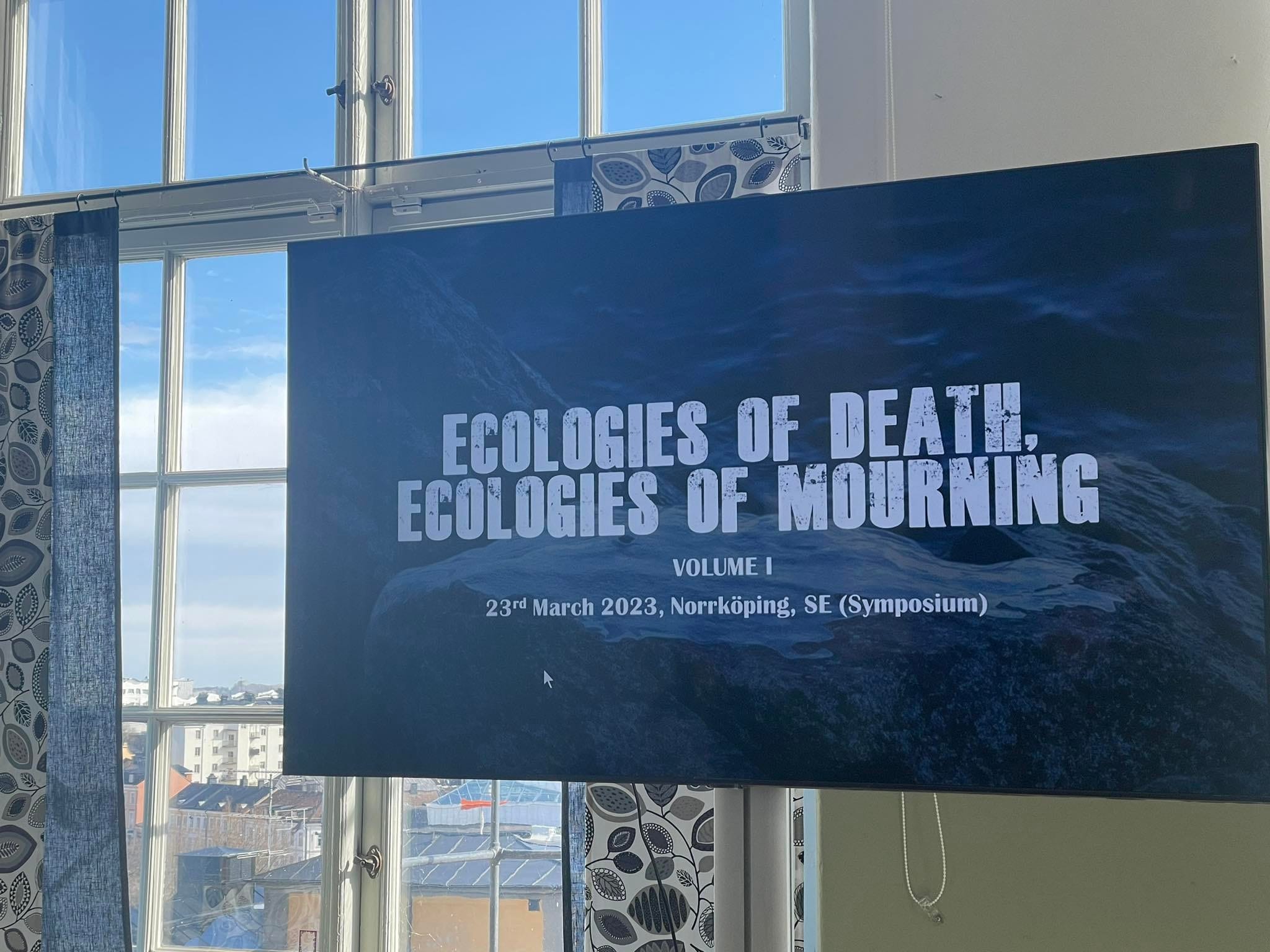
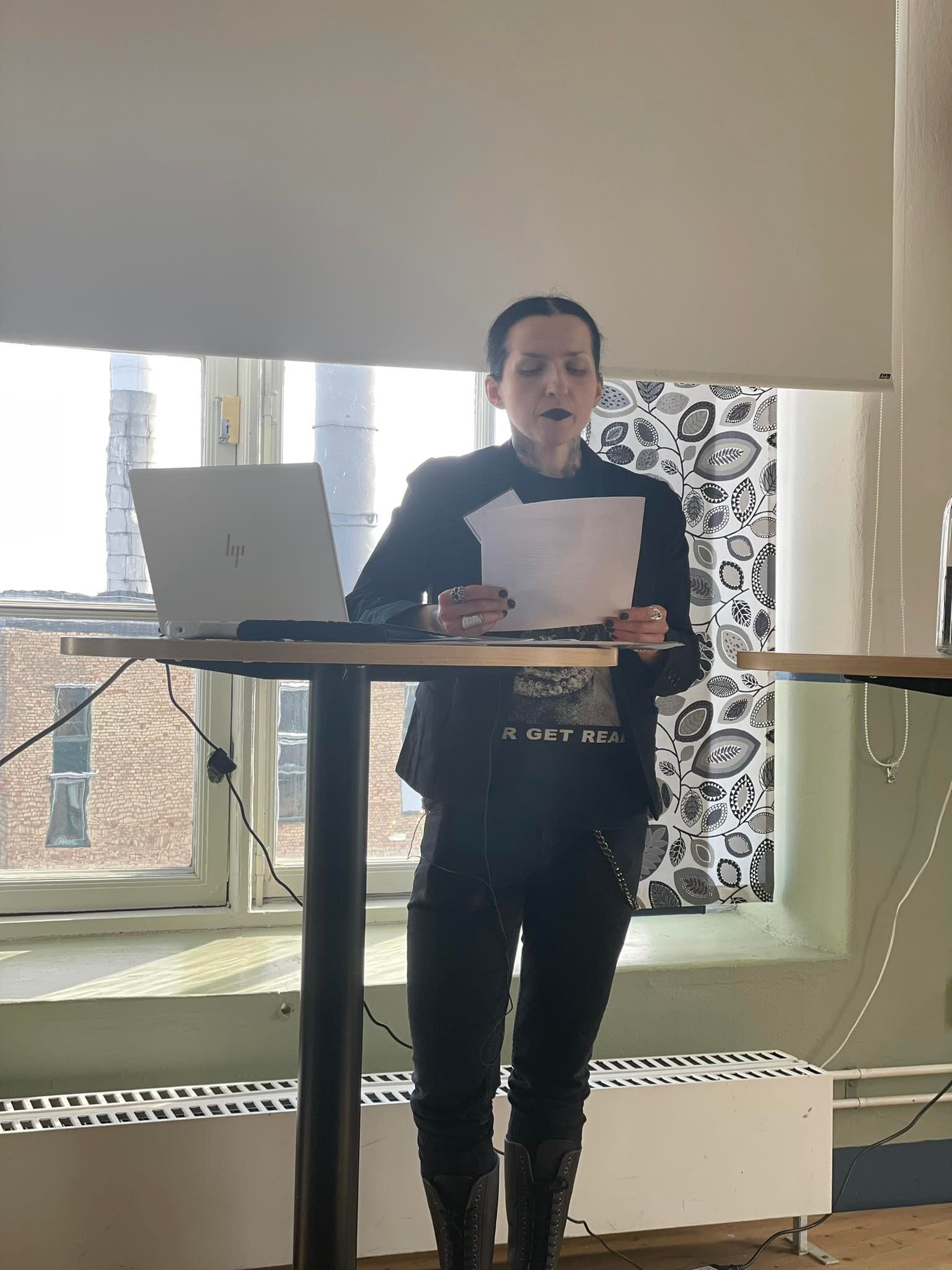
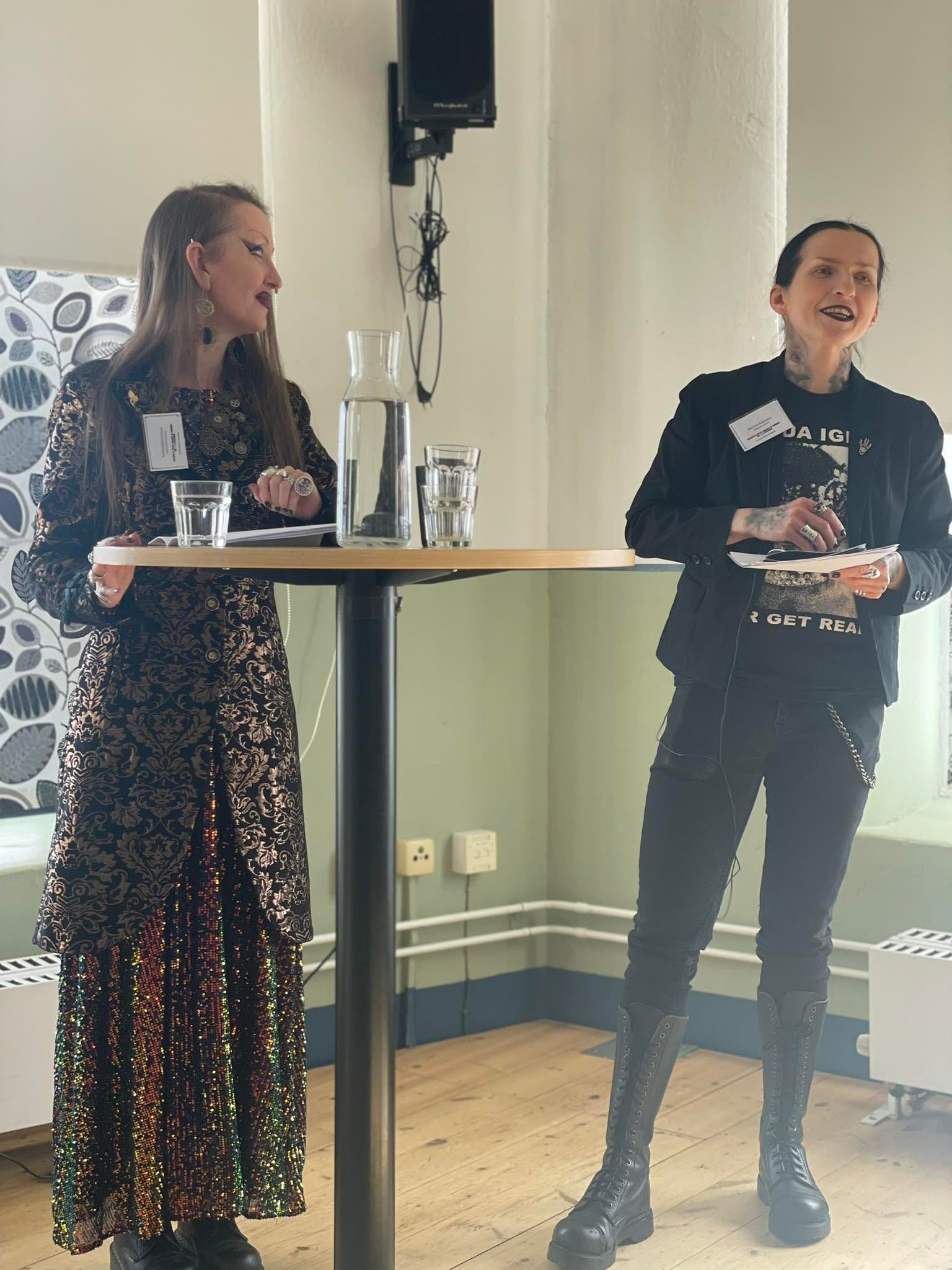
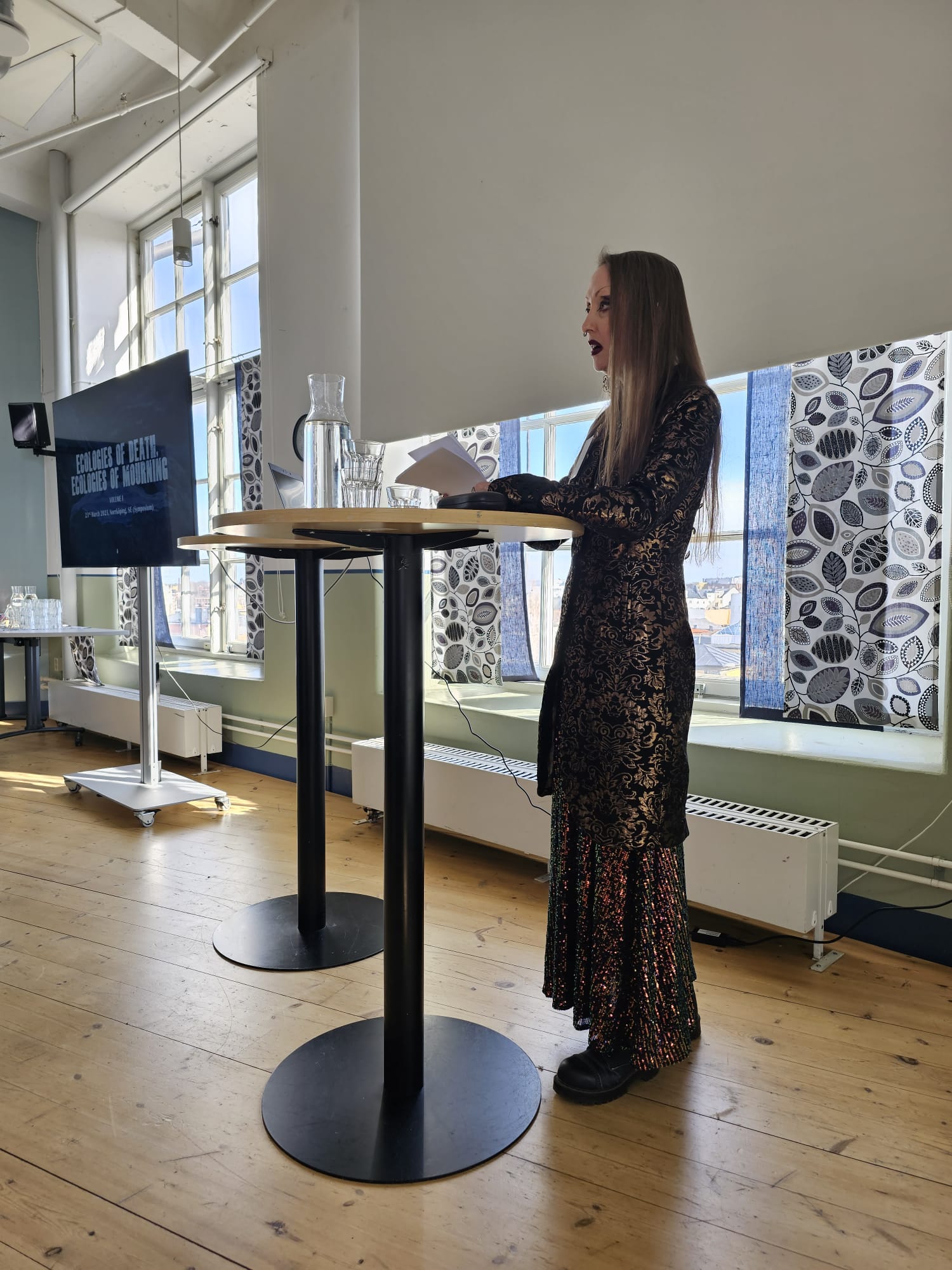
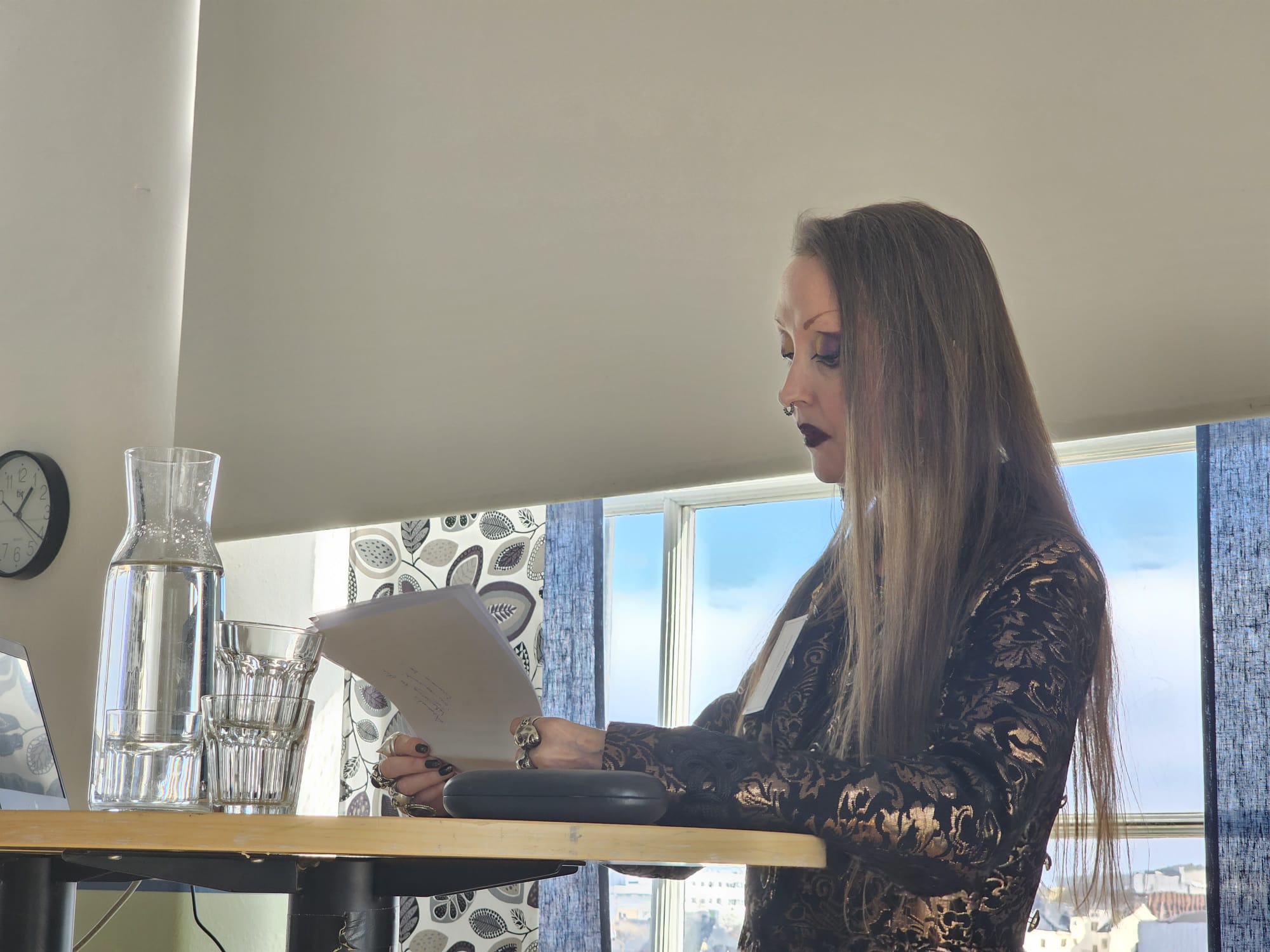
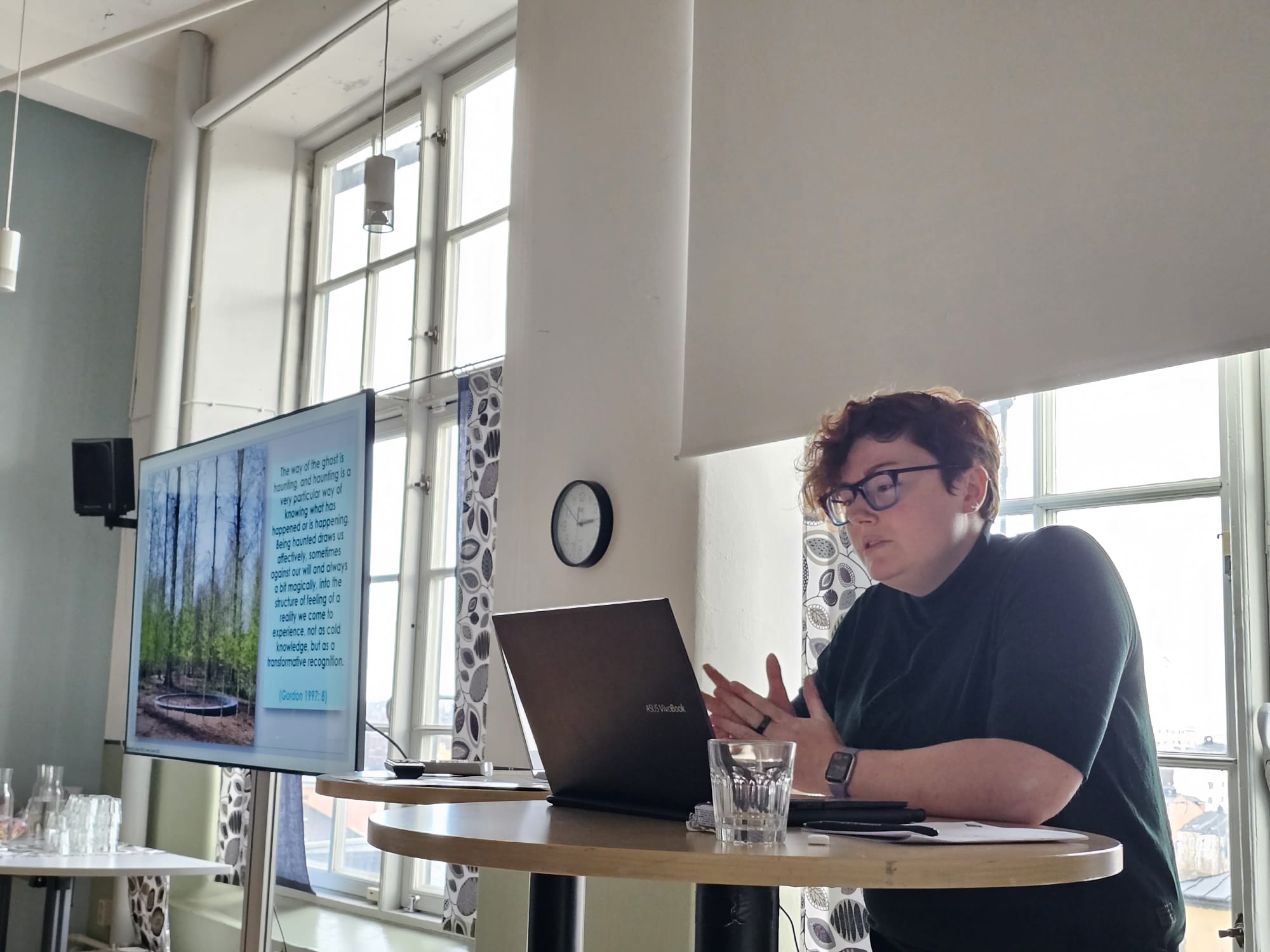
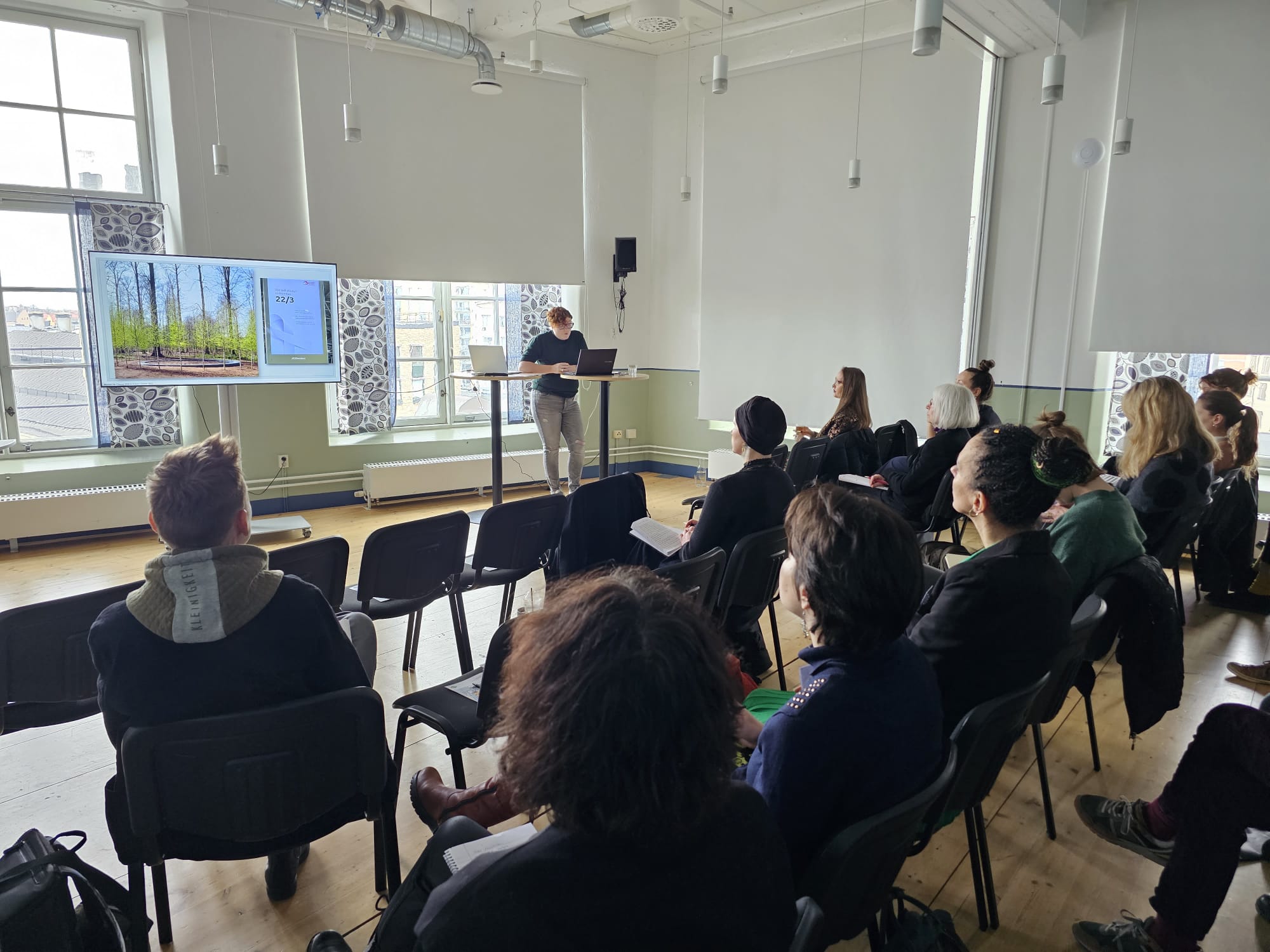
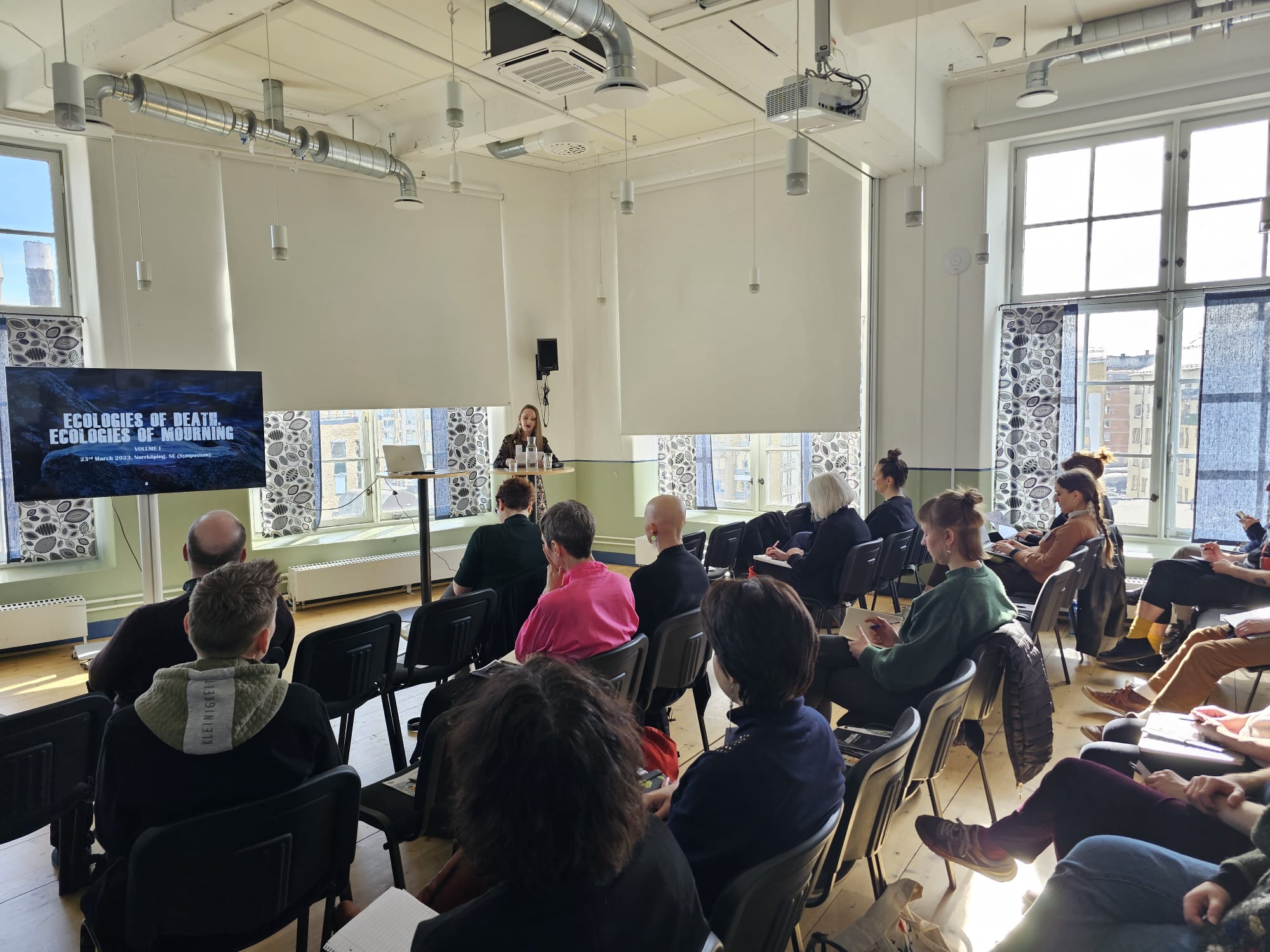
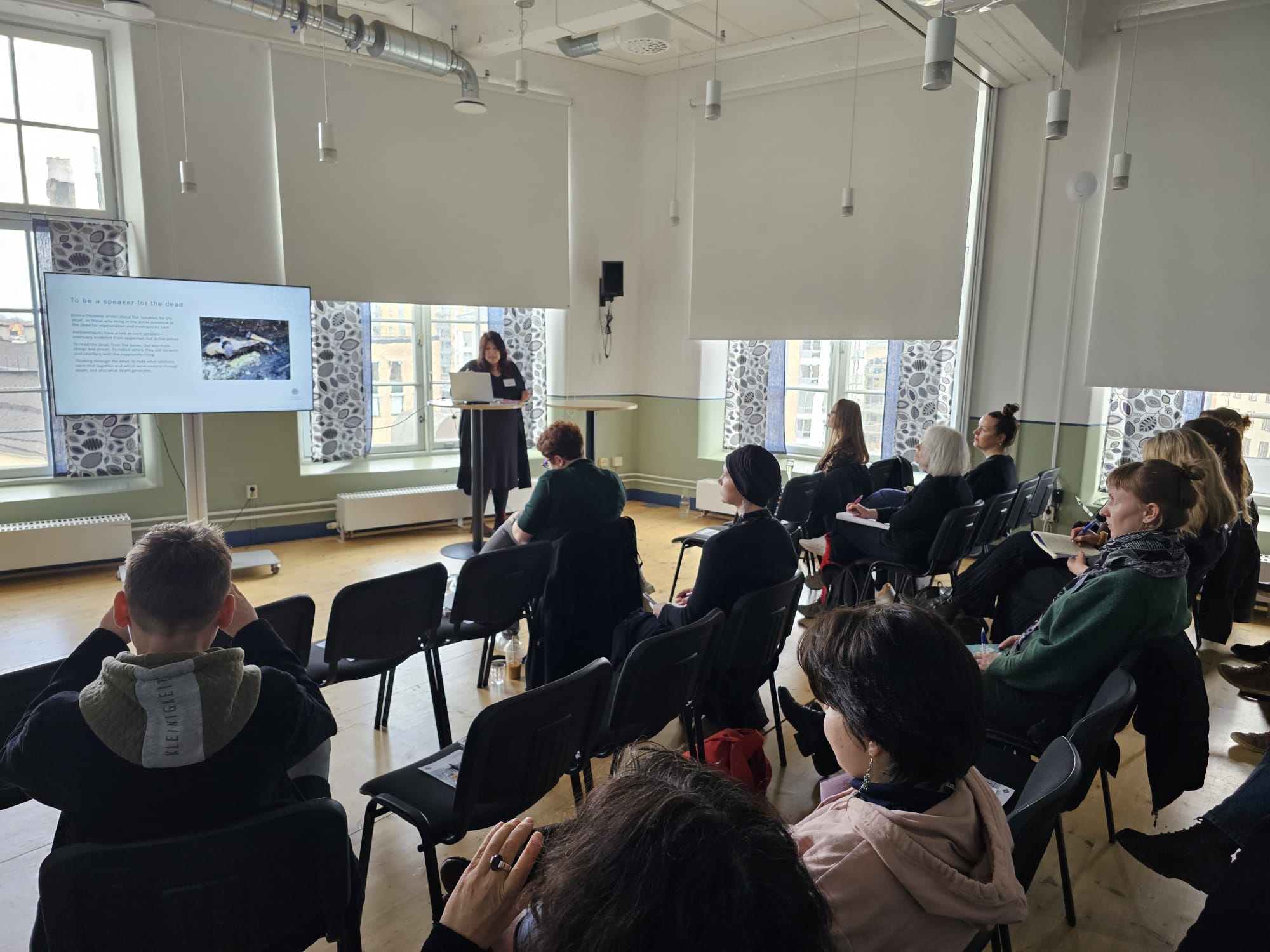
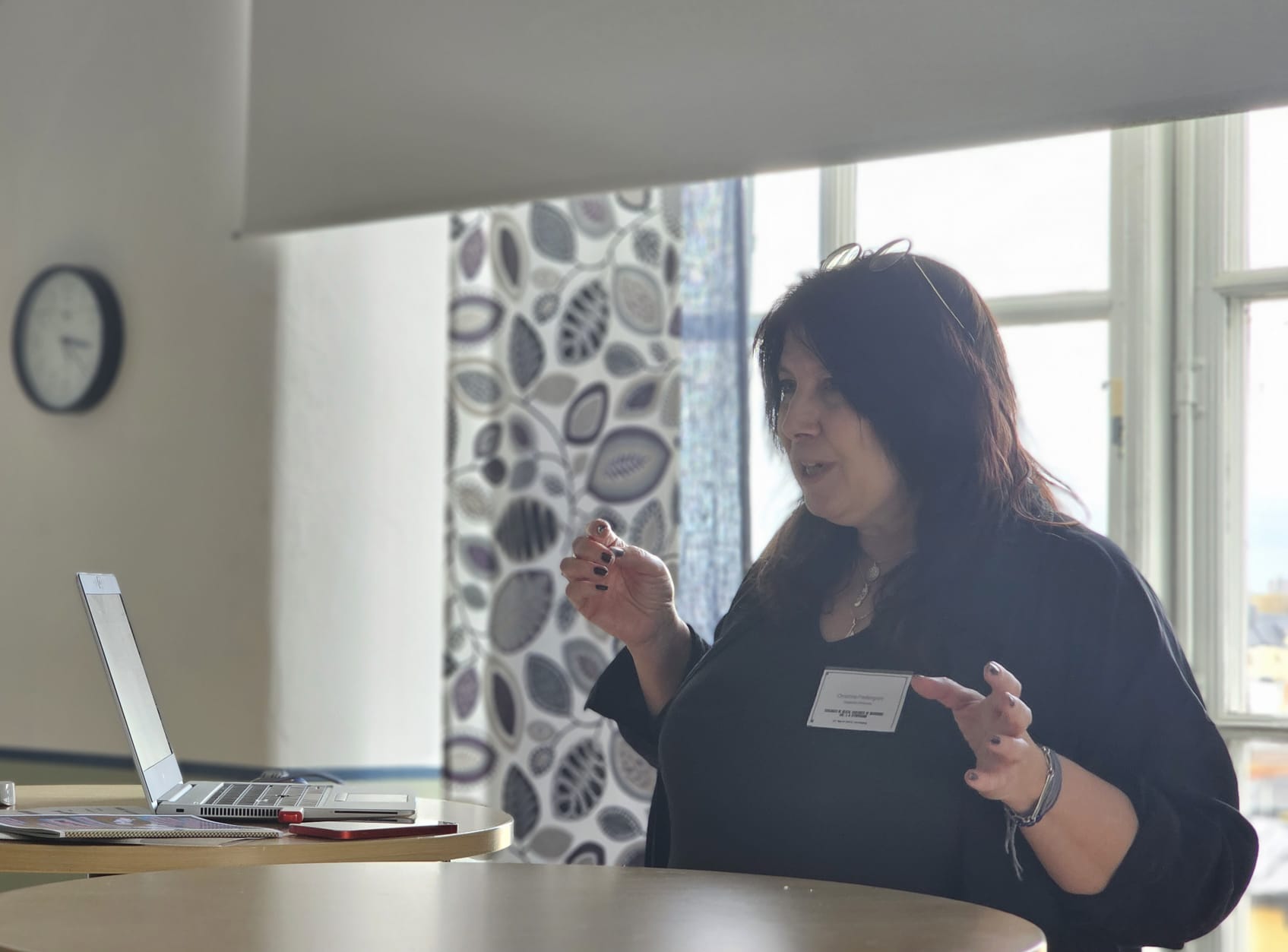
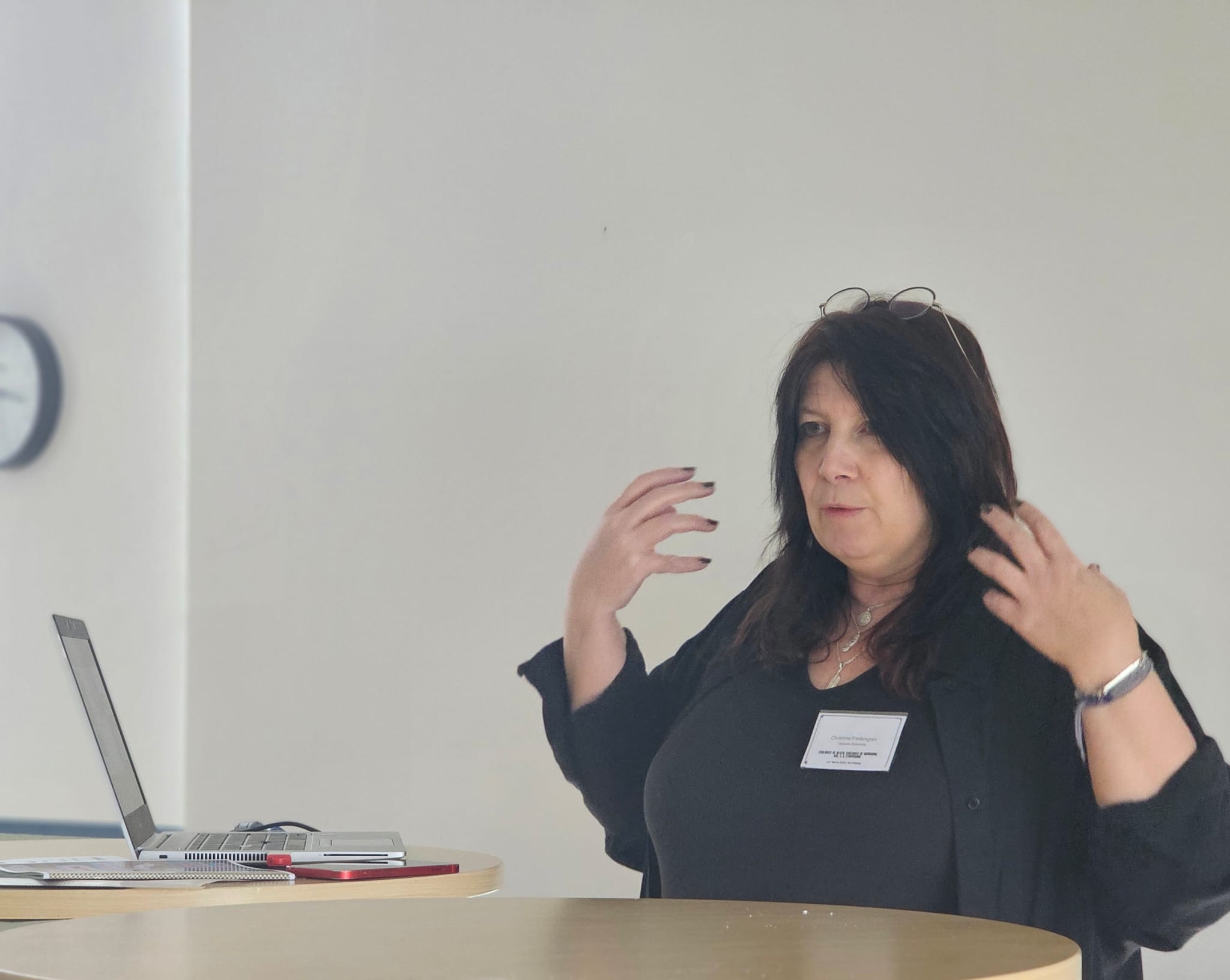
Visual Report: Ecologies of Death, Ecologies of Mourning. Vol. I

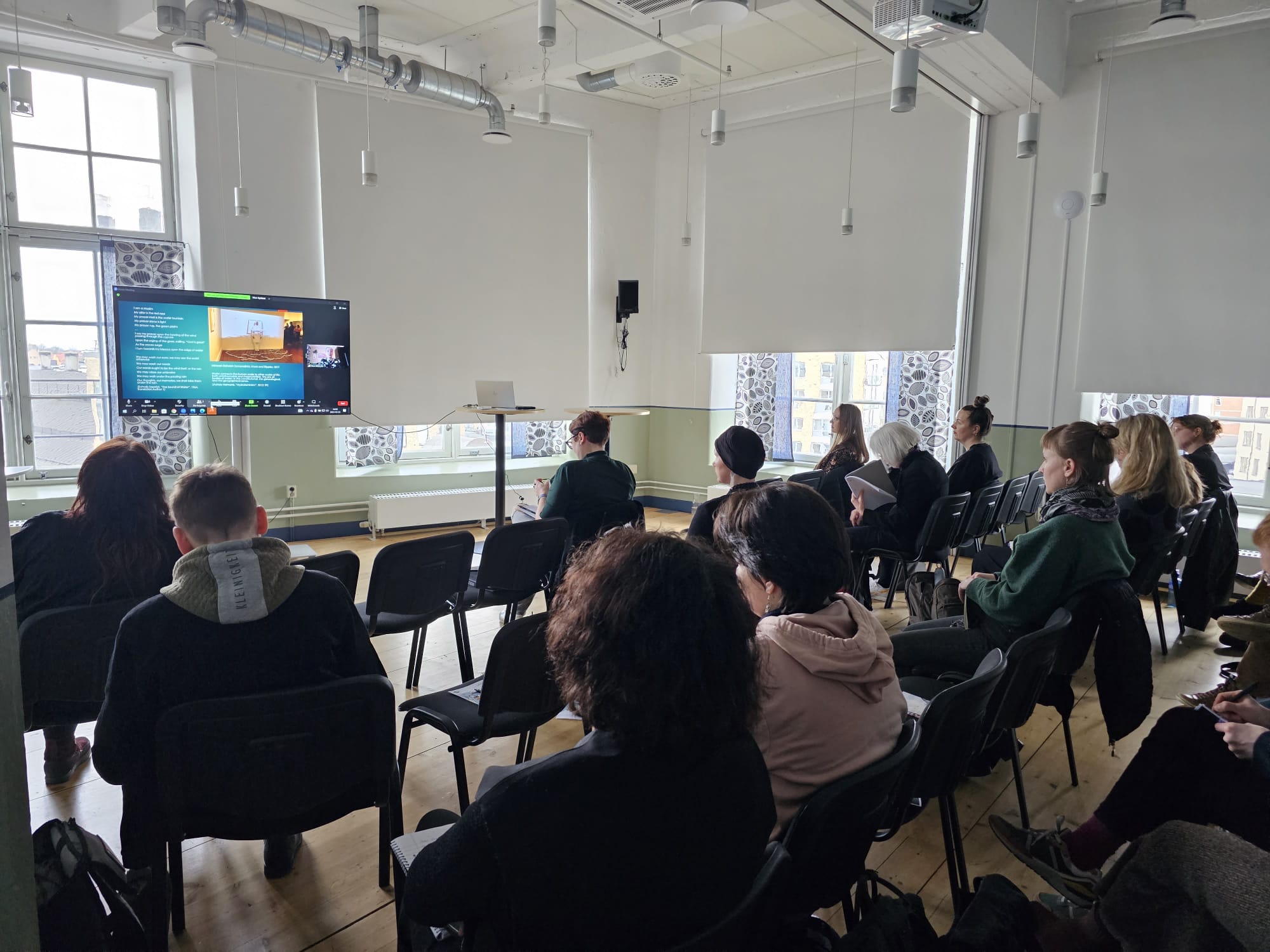
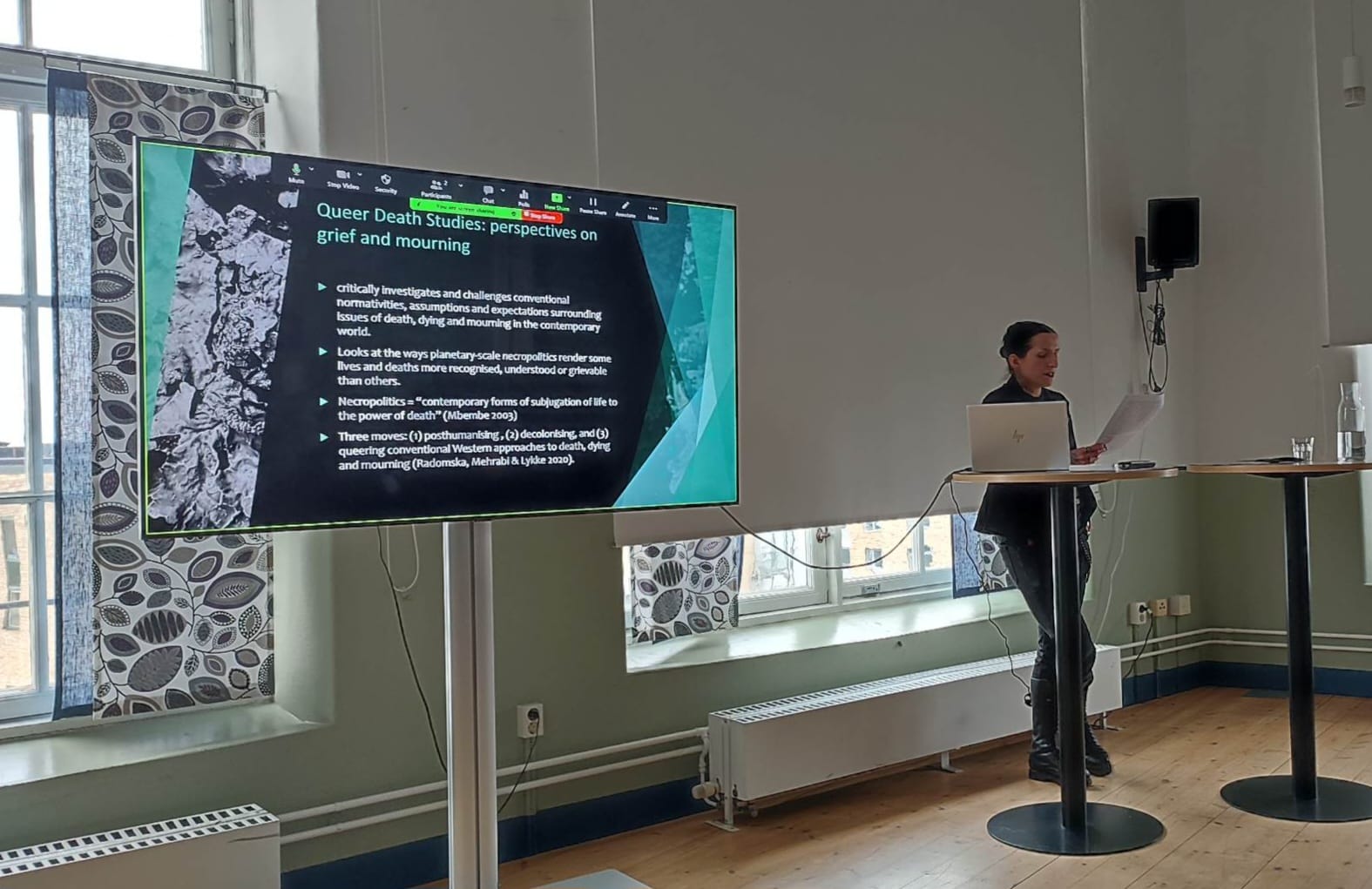
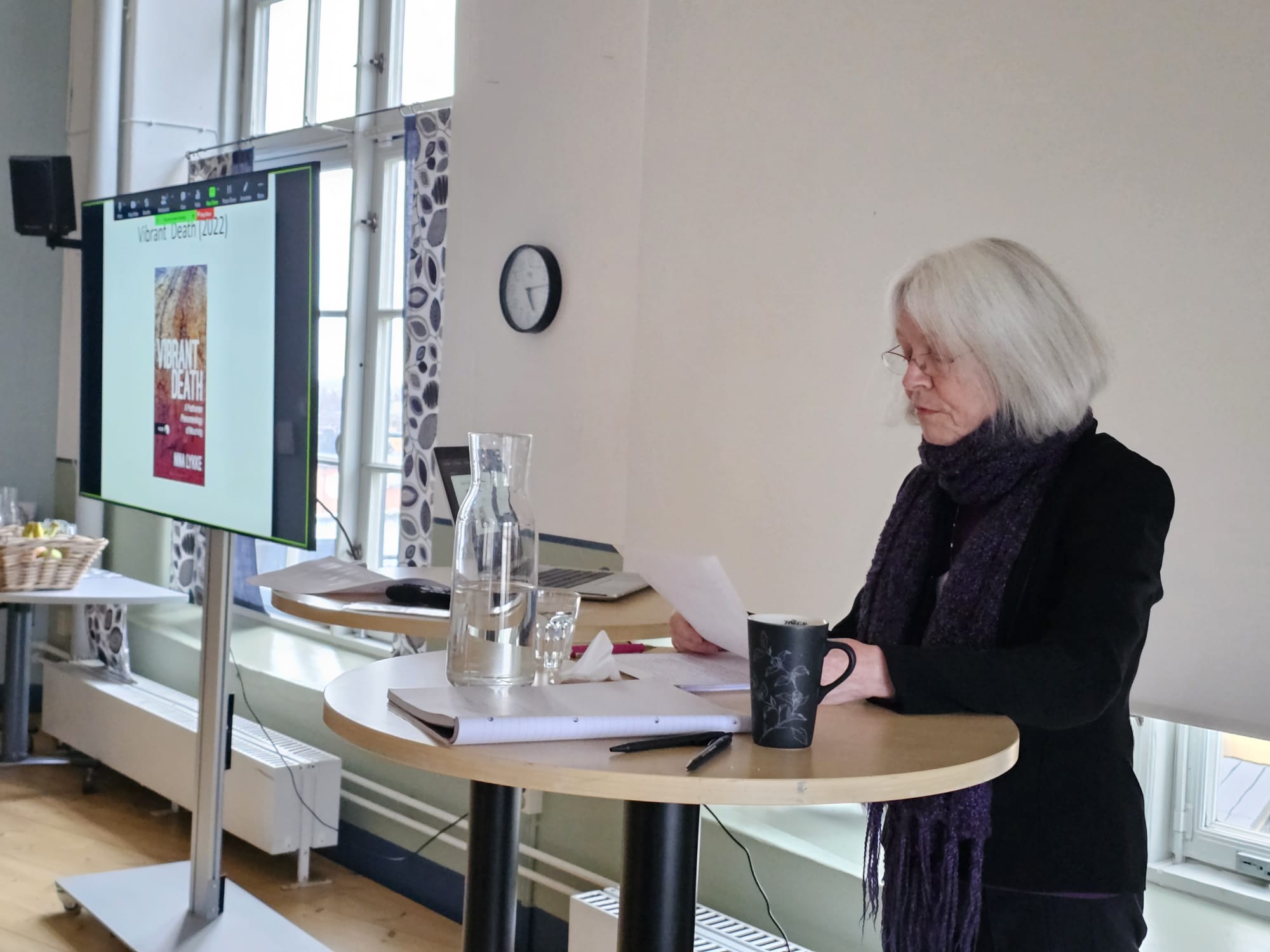
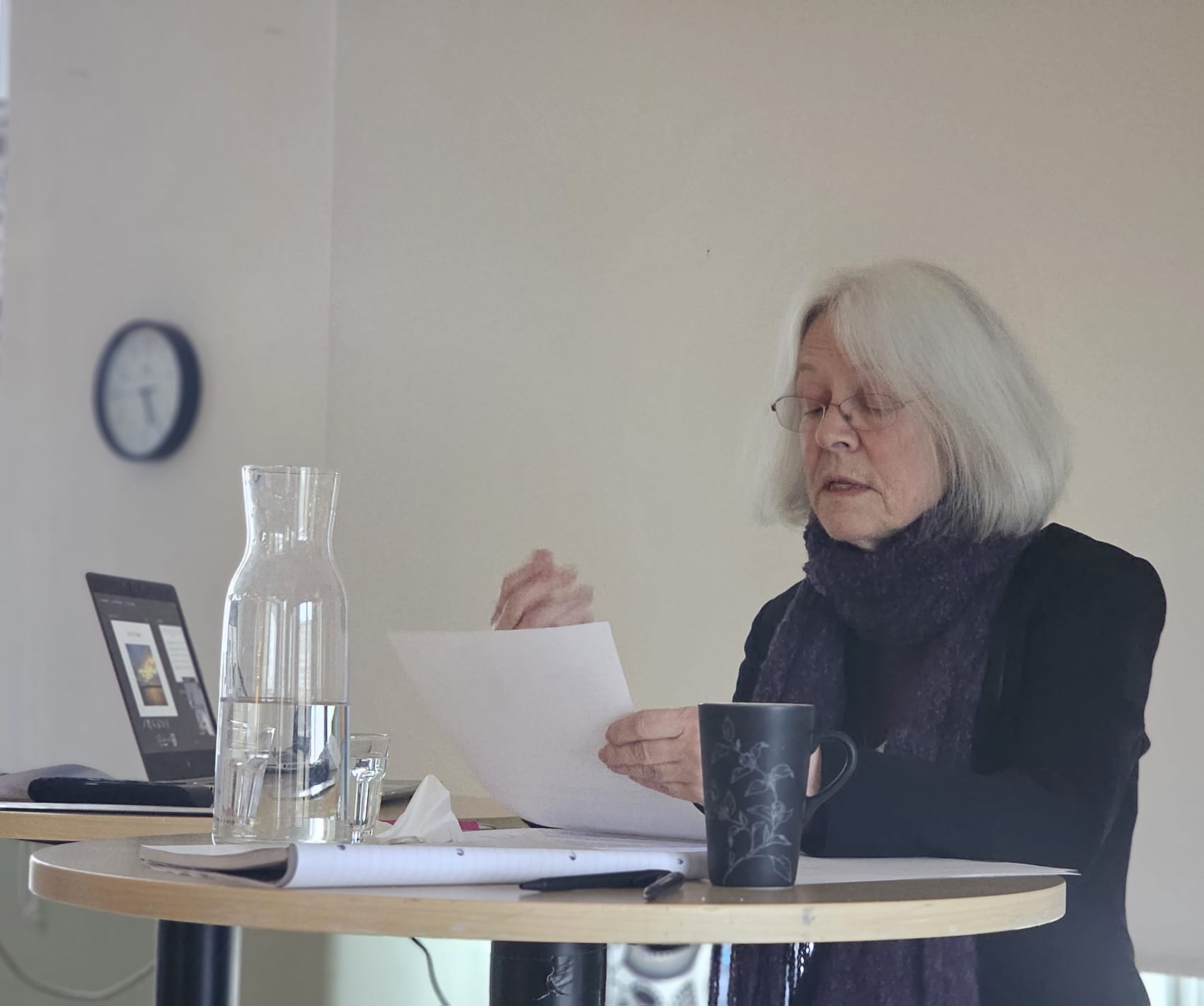
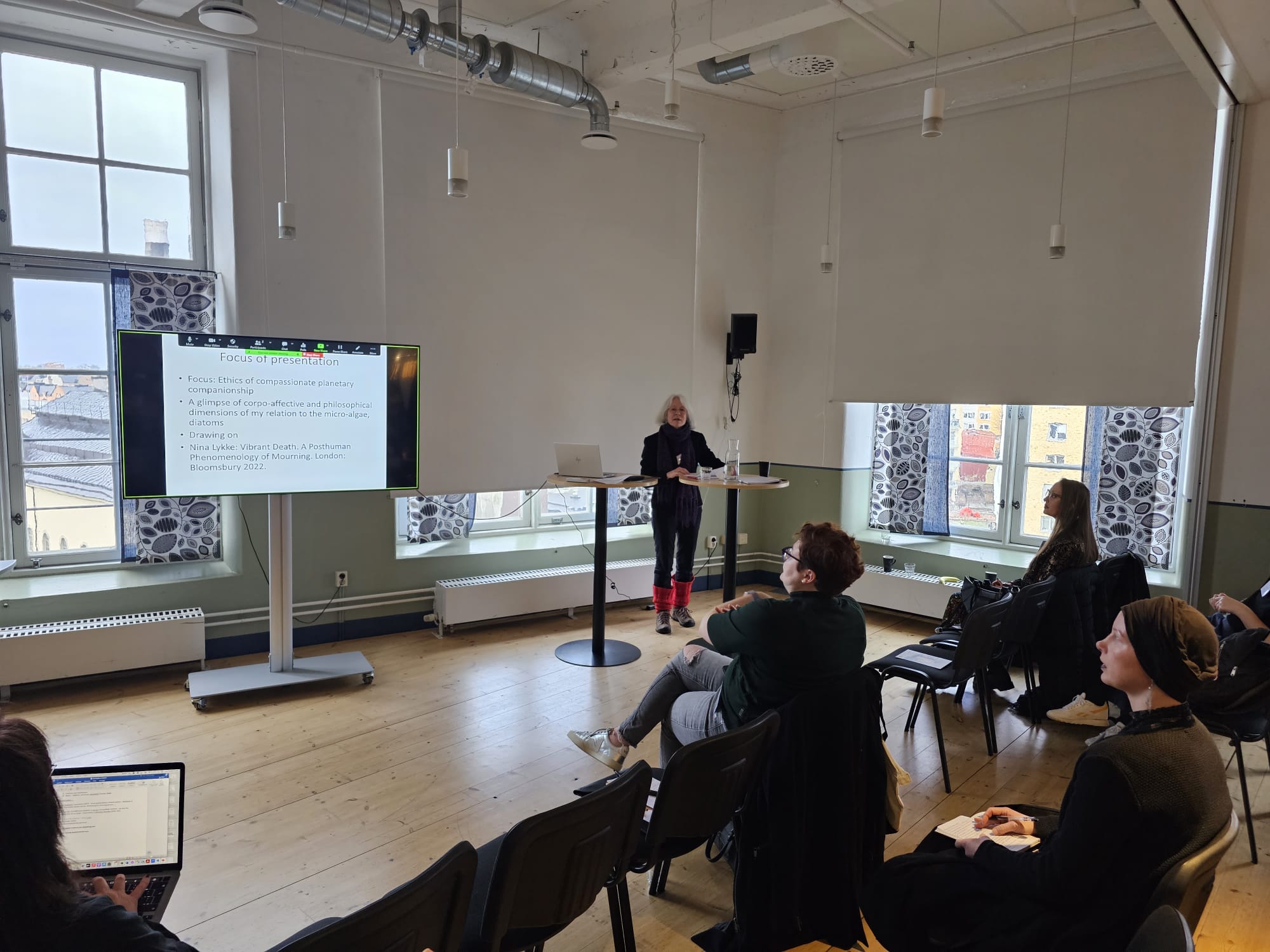
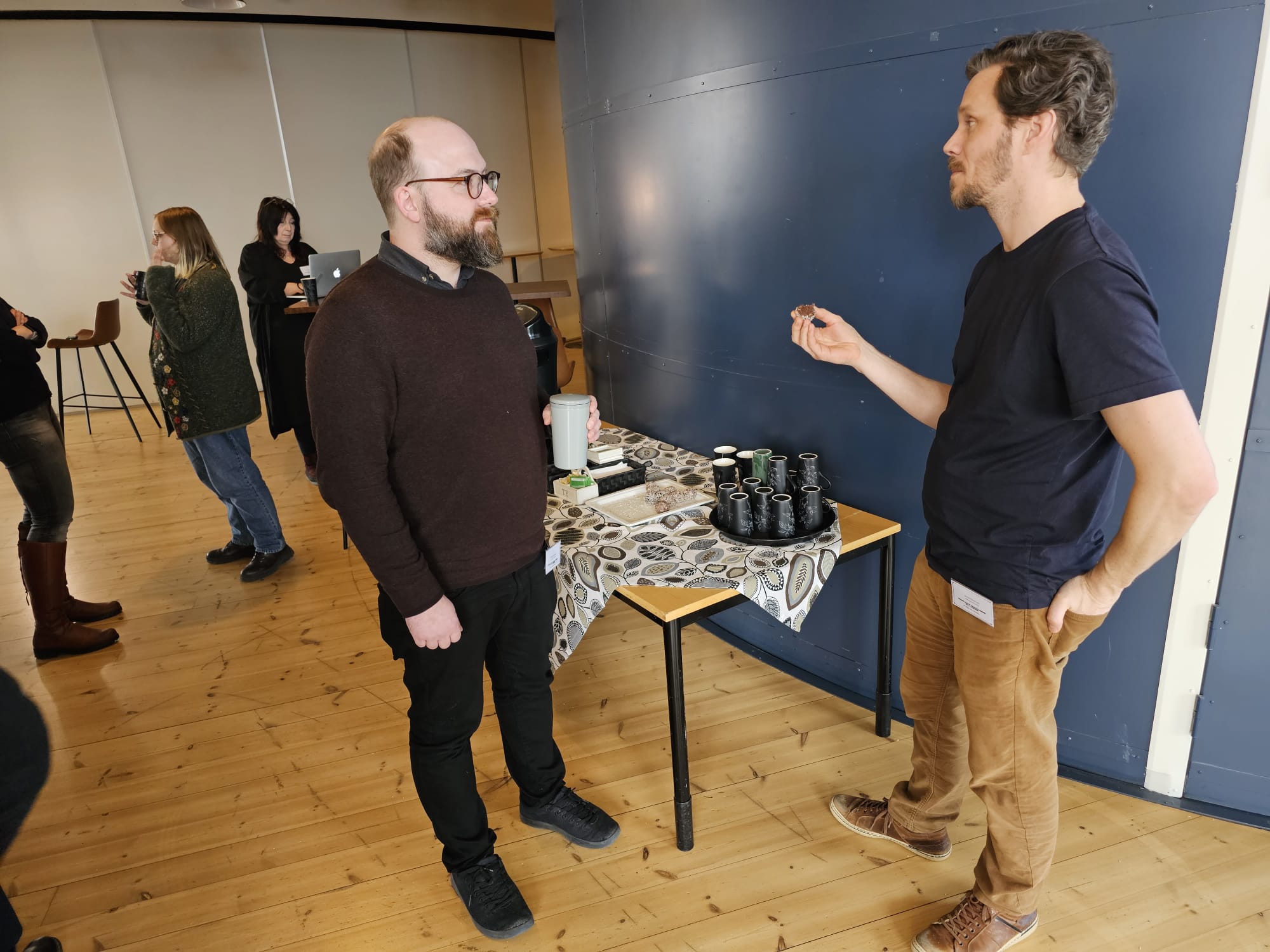
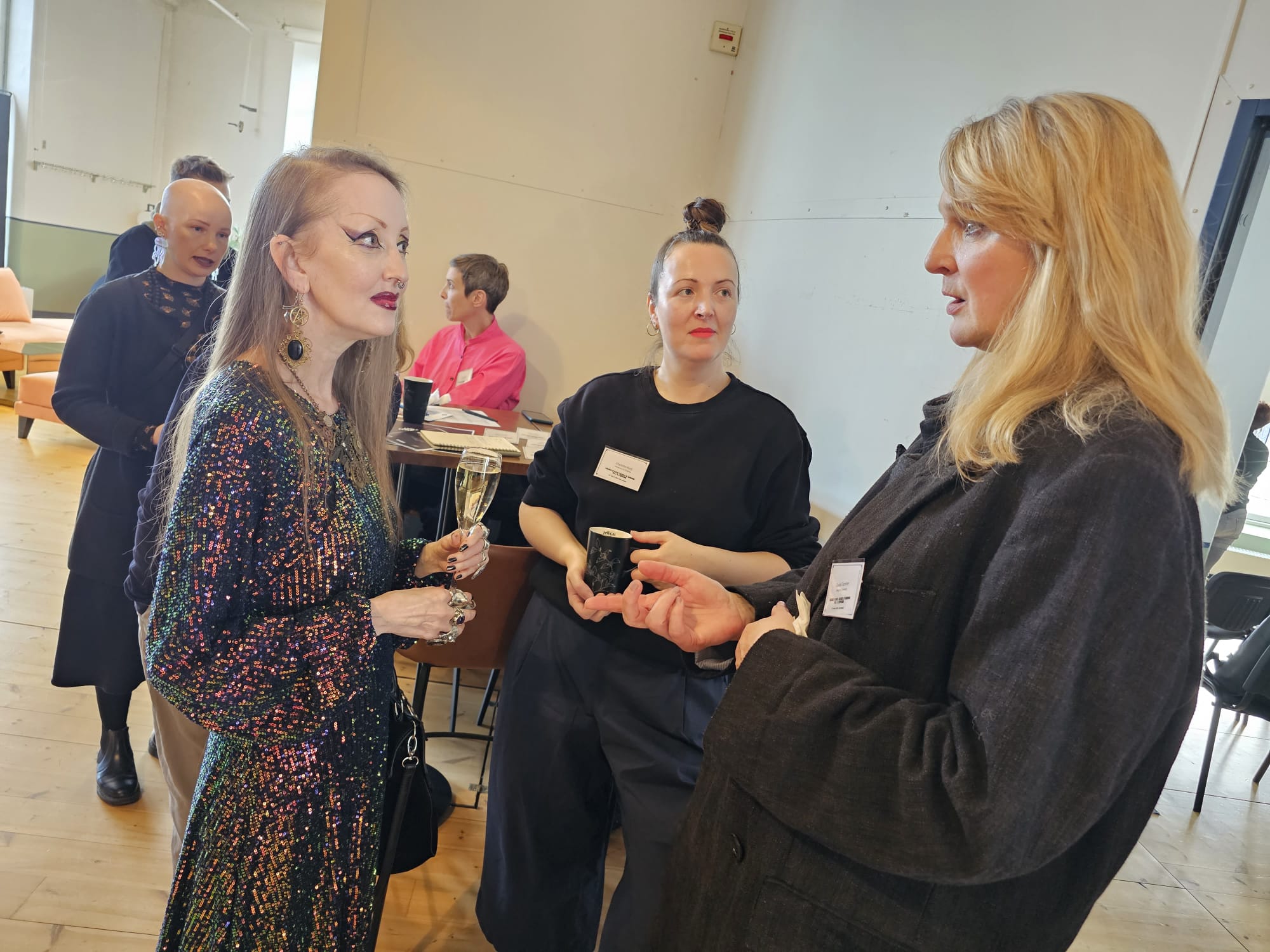
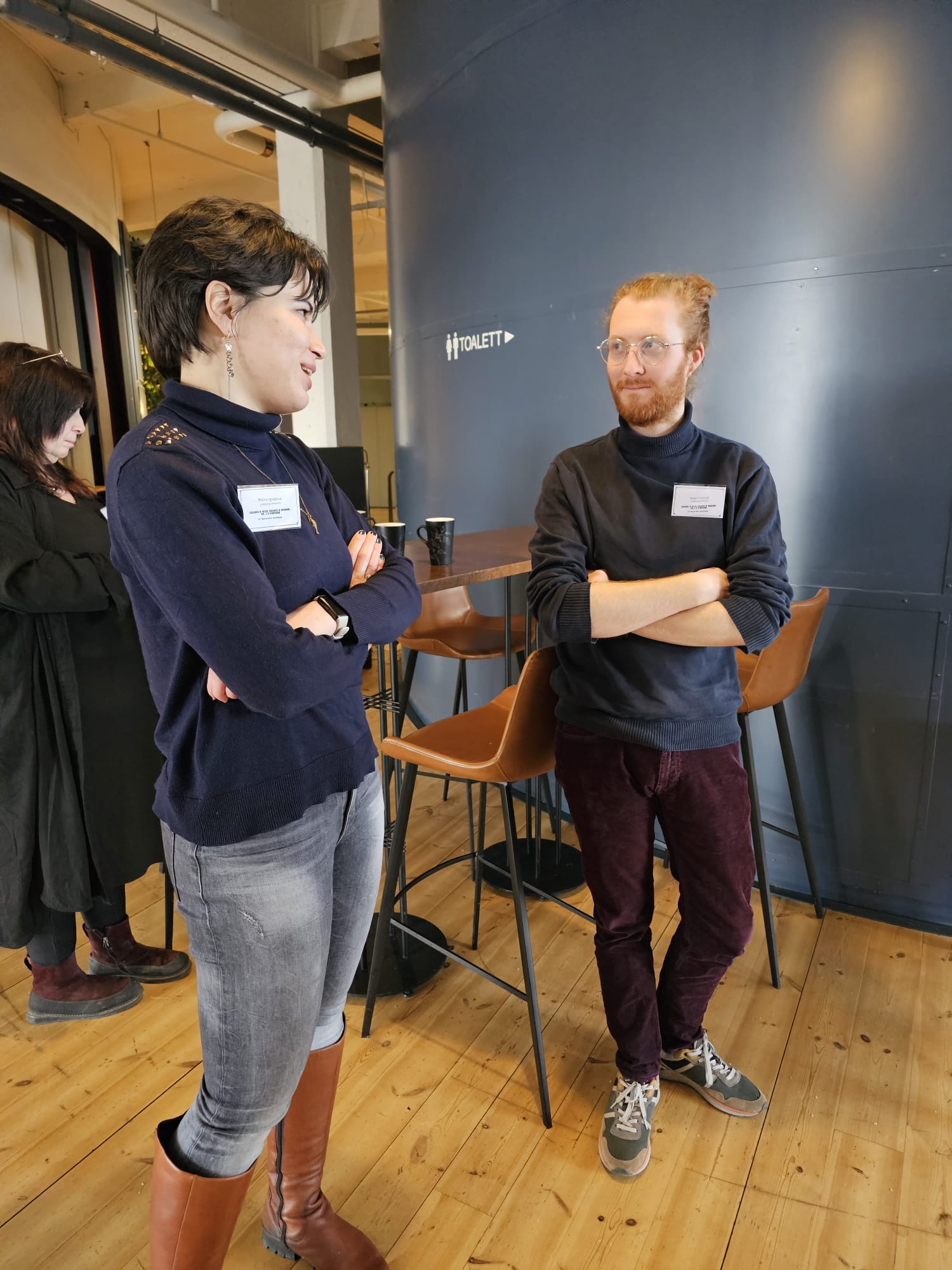
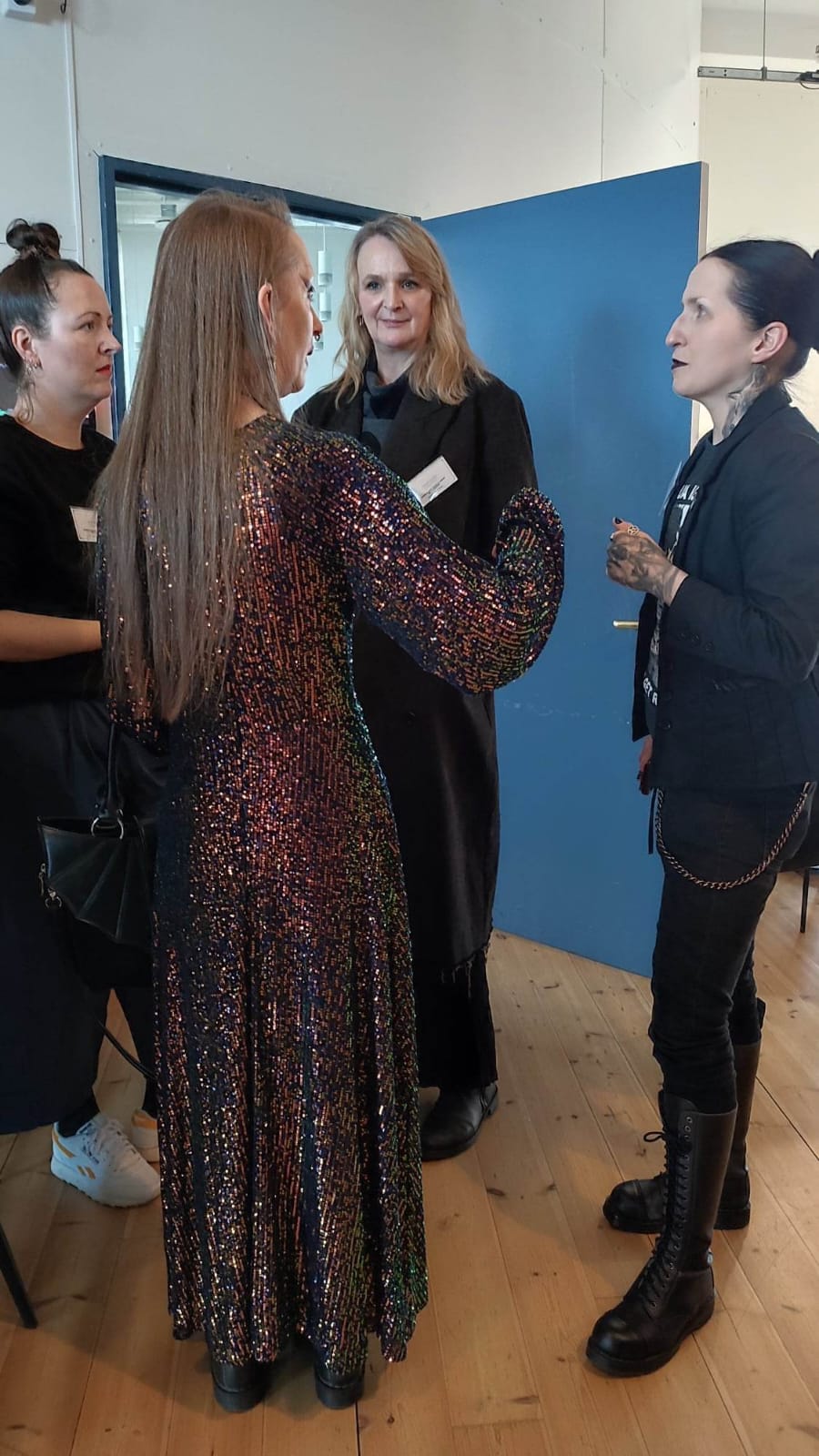
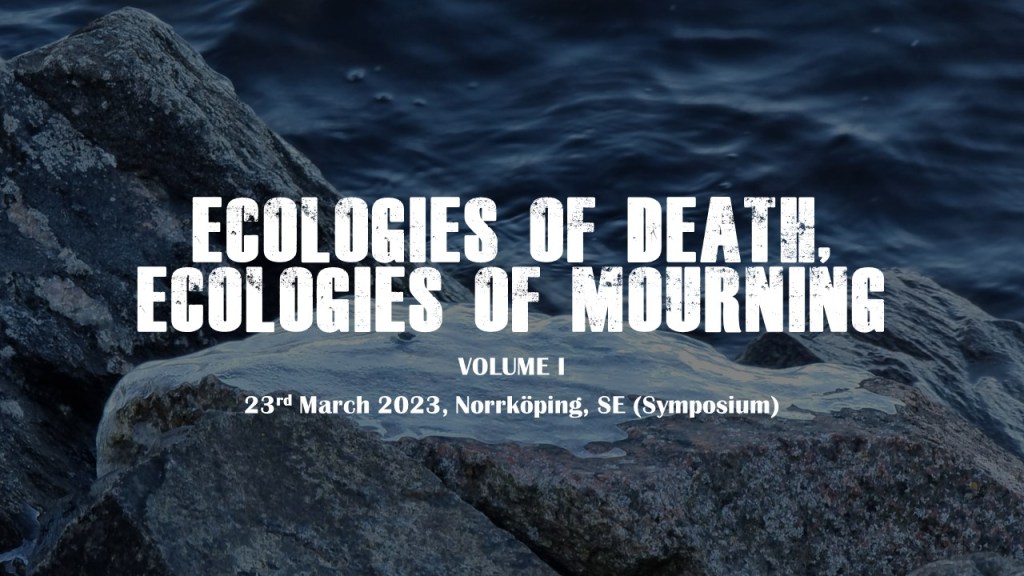
On 23rd March 2023, seven speakers and almost forty members of the audience have gathered at the Museum of Work in Norrköping for “Ecologies of Death, Ecologies of Mourning. Vol. I: An International Symposium. The event was the first in the series of activities focused on critical and creative approaches to grief and mourning in a more-than-human context of the planetary environmental disruption and ecological crises.

The symposium was organised by The Eco- and Bioart Lab, in collaboration with Queer Death Studies Network.

Furthermore, the event was combined with the official launch of the four-year research project Ecological Grief, Crisis Imaginaries and Resilience in Nordic Lights (2022-26), led by Dr Marietta Radomska and generously funded by FORMAS: a Swedish Research Council for Sustainable Development.

Here we would like to bring some memories from the event – check out a short video recap – filmed and produced by Per Wistbo Nibell (Linköping University):

To learn more about the programme – see BELOW.

Finally, we also have a little slideshow of photos from this thought-provoking and truly inspiring event. See below.

News from Karlstad University: “Ancestral Conviviality: How I fell in love with queer critters” by Risk Hazekamp and Nina Lykke, 22 March.

We have a pleasure to invite you all to an exciting hybrid event organised by the Centre for Gender Studies at Karlstad University, in collaboration with The Eco-and Bioart Lab and the GEXcel collegium.

Performance Lecture

by Risk Hazekamp and Nina Lykke

Ancestral Conviviality: How I fell in love with queer critters

The performance lecture takes its point of departure in an artistic-philosophic collaboration between Nina Lykke and Risk Hazekamp*), who found each other in their love of micro-organisms, especially Diatoms (a micro-algae with a unique coloured shell) and Cyanobacteria (also called green-blue algae). A warm digital exchange followed, both in words and images, in which the voices of Nina and Risk eventually merged into one shared ‘I’, contemplating co-becomings with the ‘you’ of Diatoms and Cyanobacteria. Speculative, passionate conversations shaped up between these interlocutors, investigating the precarious conditions of in-between-ness, life and death on the planet, and figuring out more-than-human pathways towards joyful, ethical co-existence with the planet body beyond anthropocene extractivism and binary separations of human and non-human bodies. The performance lecture will invite audiences to engage in these conversations.

*) See: Risk Hazekamp & Nina Lykke. 2022. Ancestral Conviviality. How I fell in love with queer critters.
Forum+ Vol 29, Issue 3, p. 30-36
DOI: https://doi.org/10.5117/FORUM2022.3.008.HAZE

Nina Lykke is Professor Emerita of Gender Studies at Linköping University, Sweden, and Adjunct Professor at Aarhus University, Denmark. She* is also a queerfemme-inist philosopher-poet and writer. For many years, she* took part in the building of Feminist Studies in Scandinavia and Europe more broadly. She* has recently co-founded international networks for Queer Death Studies and Ecocritical and Decolonial Research. She* has published numerous books and
articles, most recently the philosophic-poetic monograph Vibrant Death. A Posthuman Phenomenology of Mourning, Bloomsbury, London 2022 (https://www.bloomsbury.com/us/vibrant-death-9781350149731/)

Risk Hazekamp is a Dutch interdependent visual artist, researcher, art educator, and a trans-person. Hazekamp completed the Advanced Master of Research in Art & Design at St. Lucas School of Arts Antwerp in 2020 and attended the 2020 and 2021 edition of the María Lugones Decolonial Summer School. Since 2015 Risk teaches in the Art & Research department and the minor Arts & Humanity at St. Joost School of Art & Design in Breda and Den Bosch, the Netherlands. They are now a researcher at the Biobased Research Group of CARADT (Avans University, the Netherlands), where as of April 2023, Risk will start their Professional Doctorate.

Registration link:
https://kau-se.zoom.us/…/u50kcOuorjwjE9Q…

The event is organised in collaboration with the Eco-and Bioart Lab and the GEXcel collegium.

For further information on the Eco- and Bioart Lab please follow the link: https://liu.se/en/research/the-eco-and-bioart-lab

Image: Cyanobacteria interacting with analogue photographic material © Risk Hazekamp 2021

Invitation: Tema G Higher Seminar with Prof. Patricia MacCormack on “Occult Ahuman Pedagogy: Death to the Anthropocene by Witchcraft”, 29th March

During the second half of March 2023, The Eco- and Bioart Lab, Queer Death Studies Network and Tema G (the unit of Gender Studies) at Linköping University (LiU) have a pleasure to host our guest and visiting researcher Prof. Patricia MacCormack (Anglia Ruskin University, UK).

We are thrilled to hold several local, hybrid and online events, where you can tune in and engage with the work of Prof. MacCormack. One of these events is the Tema Genus Higher Seminar taking place on 29th March 2023 at 13:15-15:00 CEST.

Pleas, see details below!

Tema Genus Higher Seminar on

“Occult Ahuman Pedagogy: Death to the Anthropocene by Witchcraft”

Speaker: Prof. Patricia MacCormack (Anglia Ruskin University, UK)

Where: Faros, Tema huset, Campus Valla, Linköping University & on Zoom

When: 29th March 2023, 13:15 – 15:00 CEST

BIO:

Patricia MacCormack is Professor of Continental Philosophy at Anglia Ruskin University Cambridge. She has published extensively on philosophy, feminism, queer and monster theory, animal abolitionist activism, ethics, art and horror cinema. She is the author of Cinesexuality (Routledge 2008) and Posthuman Ethics (Routledge 2012) and the editor of The Animal Catalyst (Bloomsbury 2014), Deleuze and the Animal (EUP 2017), Deleuze and the Schizoanalysis of Cinema (Continuum 2008) and Ecosophical Aesthetics (Bloomsbury 2018). Her new book is The Ahuman Manifesto: Activisms for the End of the Anthropocene. She is currently a Leverhulme Research Fellow researching death activism.

The seminar is organised in collaboration with The Eco- and Bioart Lab,

For those of you who are not able to join us on location, we have great news: do tag along via zoom! You may register here: http://bit.ly/3ZRCurg

Ecologies of Death, Ecologies of Mourning vol. II: A Roundtable. 30th March 2023 on Zoom

In case you cannot make it for our symposium on 23rd March in Norrköping, or if you are still thirsty and wish to explore the theme further, you are warmly invited to join us – in a bit altered line-up – for this online event:

Welcome to The Posthumanities Hub & The Eco- and Bioart Lab Webinar

“Ecologies of Death, Ecologies of Mourning vol. II: A Roundtable”

30th March 2023, 13:15 – 15:00 CEST

Where: on Zoom

Our starting point for the international symposium “Ecologies of Death, Ecologies of Mourning: vol. I” (taking place on 23rd March 2023 in Norrköping, SE) is the context of planetary environmental disruption, slow and abrupt environmental violence, and the ways in which ecological, more-than-human dimensions of death have traditionally been underplayed in public debates.  During the symposium, we emphasise that what is urgently needed – now more than ever – is the systematic problematisation of the planetary-scale mechanisms of annihilation of the more-than-human worlds in their philosophical, socio-cultural, ethico-political and very material dimensions.

In this follow-up roundtable, or volume II of “Ecologies of Death, Ecologies of Mourning”, the panellists: Prof. Patricia MacCormack (Anglia Ruskin University, UK), Dr Margherita Pevere (independent artist, DE/IT) and Dr Marietta Radomska (Linköping University, SE) will zoom in on the potential, role, (im)possibilities, urgencies and frictions of artistic and philosophical practices and praxes linked to ecologies of death, care, grief and mourning.

The event is curated by Dr Marietta Radomska.

REGISTER: https://bit.ly/3Ll1J1i

Speakers:

Prof. Patricia MacCormack (Anglia Ruskin University, UK)

Dr Margherita Pevere (independent artist, DE/IT)

Dr Marietta Radomska (Linköping University, SE)

BIOGRAPHICAL NOTES:

Patricia MacCormack, PhD, is Professor of Continental Philosophy at Anglia Ruskin University Cambridge. She has published extensively on philosophy, feminism, queer and monster theory, animal abolitionist activism, ethics, art and horror cinema. She is the author of Cinesexuality (Routledge 2008) and Posthuman Ethics (Routledge 2012) and the editor of The Animal Catalyst (Bloomsbury 2014), Deleuze and the Animal (EUP 2017), Deleuze and the Schizoanalysis of Cinema (Continuum 2008) and Ecosophical Aesthetics (Bloomsbury 2018). Her new book is The Ahuman Manifesto: Activisms for the End of the Anthropocene. She is currently a Leverhulme Research Fellow researching death activism.

Dr Margherita Pevere is an artist and researcher working across biological arts and performance with a distinctive visceral signature. Her inquiry hybridizes biotechnology, ecology, queer and death studies to create artworks that trail today’s ecological complexity. Her body of work is a blooming garden crawling with genetically edited bacteria, cells, sex hormones, microbial biofilm, blood, slugs, growing plants and decomposing remains. She is affiliated to the Eco- and Bioart Lab and co-founded the artists’ group Fronte Vacuo. Web: Www.margheritapevere.com and  https://frontevacuo.com  

Marietta Radomska, PhD, is an Assistant Professor of Environmental Humanities at Linköping University; director of The Eco- and Bioart Lab; co-founder of Queer Death Studies Network; member of The Posthumanities Hub; co-editor of the book series ‘Focus on More-than-human Humanities’ at Routledge (with C. Åsberg); and the PI of ‘Ecological Grief, Crisis Imaginaries and Resilience in Nordic Lights’ (2022-26; funded by FORMAS). She works at the intersection of posthumanities, environmental humanities, continental philosophy, queer death studies, visual culture and contemporary art; and has published in Australian Feminist Studies; Somatechnics; Environment and Planning E and Artnodes, among others. Web: www.mariettaradomska.com

Artwork included in the poster: Margherita Pevere, Semina Aeternitatis (2018)

Ecologies of Death, Ecologies of Mourning: Volume I. International Symposium, 23 March 2023 in Norrköping

Ecologies of Death, Ecologies of Mourning: Volume I

International Symposium

23rd March 2023, 13:00 – 18:00

Organised by The Eco- and Bioart Lab, in collaboration with Queer Death Studies Network

Venue: Arbetets Museum (The Museum of Work), Norrköping
Keynote speakers:

Prof. Patricia MacCormack (Anglia Ruskin University, UK)

Prof. Em. Nina Lykke (Linköping University, SE/Aarhus University, DK)

Speakers:

Dr Evelien Geerts (University of Birmingham, UK)

Prof. Christina Fredengren (Uppsala University, SE)

Dr Tara Mehrabi & Dr Wibke Straube (Karlstad University, SE)

Dr Marietta Radomska (Linköping University, SE)

In the Anthropocene, the epoch of climate change and environmental destruction that render certain habitats unliveable and induce socio-economic inequalities and shared ‘more-than-human’ vulnerabilities, death and loss become urgent environmental concerns. As climate scientists indicate, in order to achieve UN Sustainable Development Goals (UN SDGs), a much more radical transformative action is needed from all stakeholders: governments, the private sector, communities and individuals (Höhne et al. 2020).

Simultaneously, planetary environmental disruption, contributing to the mortality of humans and nonhumans, destruction of entire ecosystems, the sixth mass extinction, both abrupt and ‘slow’ violence (Nixon 2011), evoke feelings of anxiety, anger and grief, manifested in popular-scientific and cultural narratives, art, and activism. These feelings are not always openly acknowledged or accepted in society; and the ecological, more-than-human dimensions of death have traditionally been underplayed in public debates. Yet, what we need now – more than ever – is the systematic problematisation of the planetary-scale mechanisms of annihilation of the more-than-human world in their philosophical, socio-cultural, ethico-political and very material dimensions. Only then will it be possible to talk about the issues of responsibility, accountability and care for more-than-human worlds (Radomska & Lykke 2022).

Taking its starting point in critically investigating and challenging conventional normativities, assumptions and expectations surrounding issues of death, dying and mourning in the contemporary world (Radomska, Meharbi & Lykke 2020; https://queerdeathstudies.net/), this interdisciplinary symposium zooms in on more-than-human ecologies of death, dying, grief and mourning across spatial and temporal scales.

The event is combined with the official launch of the four-year research project Ecological Grief, Crisis Imaginaries and Resilience in Nordic Lights (2022-26), led by Dr Marietta Radomska and generously funded by FORMAS: a Swedish Research Council for Sustainable Development.

Programme:

13:00 – 13:15 – Introduction / Launch FORMAS Eco-Grief Project

13:15 – 14:15 – Keynote I: Prof. Patricia MacCormack (Anglia Ruskin University, UK), “The Difficult Joy of Death Activism”

14:15 – 14:45 – Break (fika)

14:45 – 15:15 – Dr Evelien Geerts (University of Birmingham, UK), “The Memorial 22/3’s more-than-human hauntings: Reimaging memory, commemoration & mourning through queer(ing) spacetimematterings”

15:15 – 15:45 – Prof. Christina Fredengren (Uppsala University, SE), “Ancestral ecologies of life, death and regeneration”

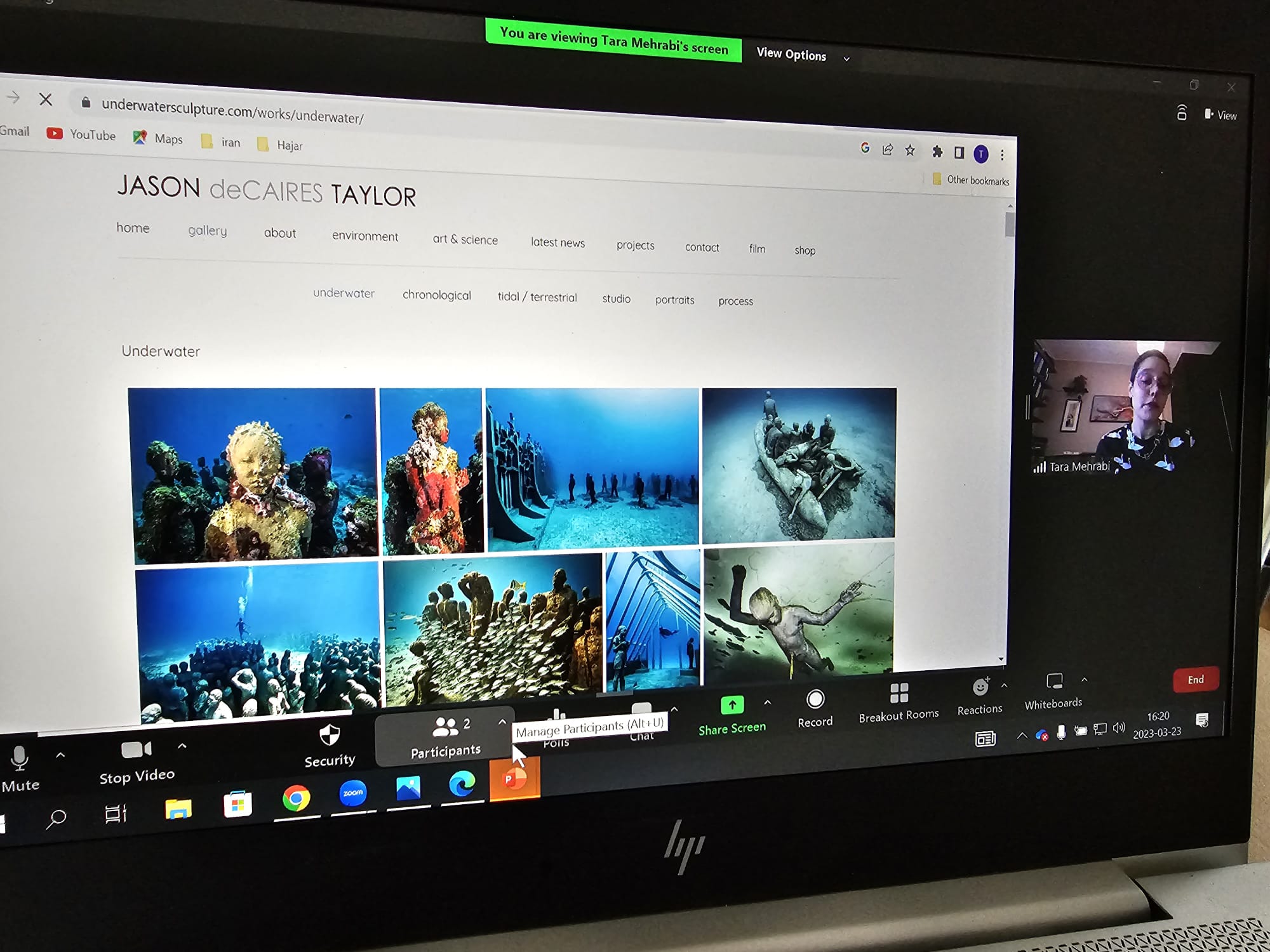
15:45 – 16:15 – Dr Tara Mehrabi & Dr Wibke Straube (Karlstad University, SE), “Unsettling Intimacies: On World-Making Practices with the Other in Minoosh Zomorodinia’s Mixed-Media Installation Knots and Ripples

16:15 – 16:45 – Dr Marietta Radomska (Linköping University, SE), “Between Terminal Ecologies and Arts of Eco-Grief: A Queering Reflection”

16:45 – 17:00 – Break

17:00 – 18:00 – Keynote II: Prof. Em. Nina Lykke (Linköping University, SE), “Mourning (with) Diatoms”

REGISTRATION:

The participation in the symposium is free of charge, but we have a limited number of seats. If you wish to take part in the event, please, fill out the form: https://forms.office.com/e/Yb4qXpyVtX

NB! EDIT: the event is now fully booked. In order to be added to the waiting list, please send an email to: ecobioartlab[at]liu.se

NB! In case you have registered and it turns out you can no longer participate, please let us know by sending an email to: ecobioartlab[at]liu.se . In this way we may be able to let in anyone who may be on the waiting list.

Photo/artwork: Marietta Radomska