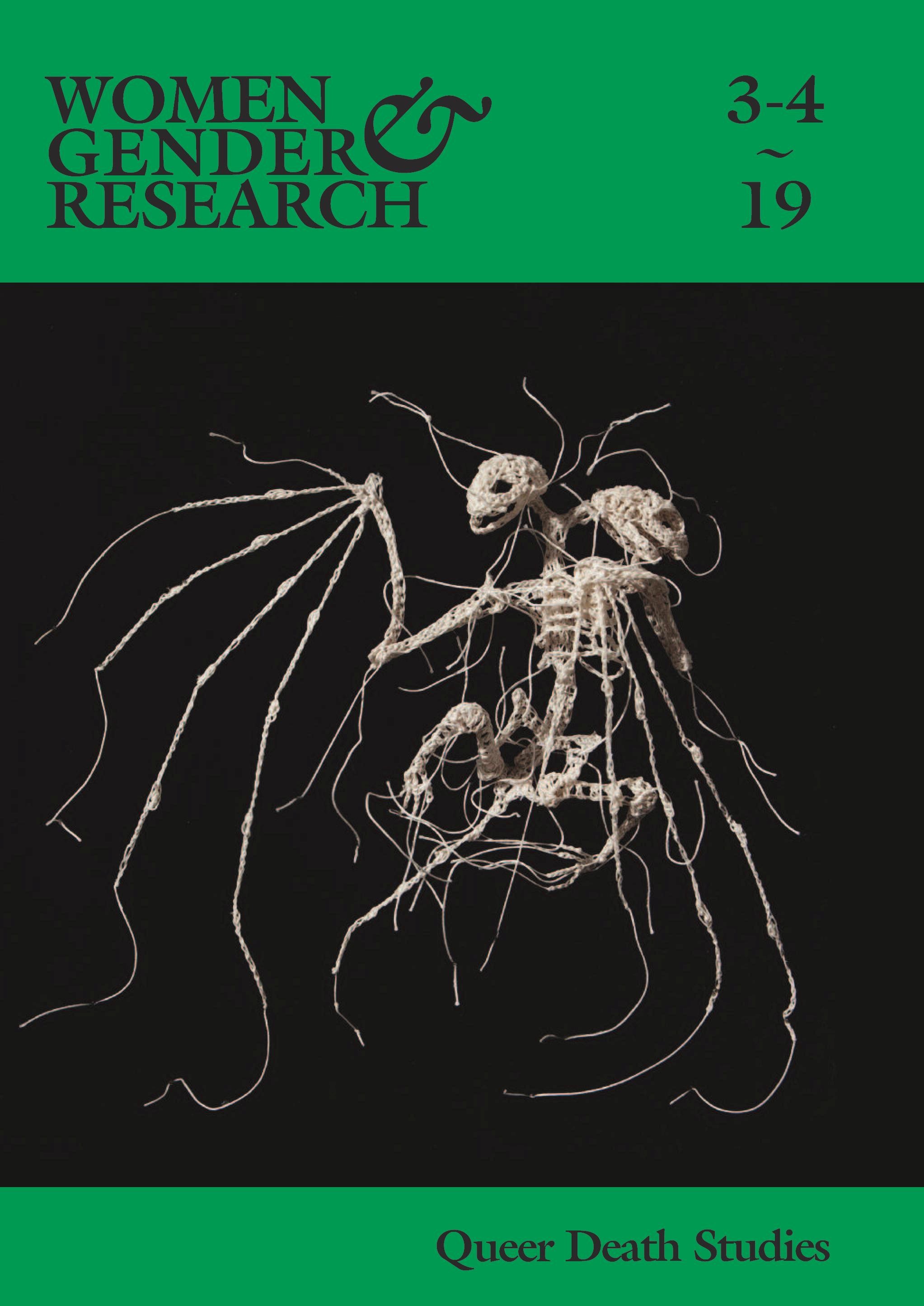
InterGender course “Queer Death Studies – Analyzing and Resisting Necropower”

NEWS via InterGender, Consortium and Research School in Interdisciplinary Gender Studies www.Intergender.net

For this course PhD students, but also Master’s students are eligible to apply.
Title of the Course:

Queer Death Studies – Analyzing and Resisting Necropower

The recommended accreditation is: 7,5 + 7,5 credits
 
Time:
December 8, 2020
 
Location: Online
 
Deadline for applications: September 20, 2020
 
Applications should be sent to: InterGender Consortium Coordinator Edyta Just (edyta.just[at]liu.se)
 
Maximum number of participants: 20 participants
 
Organized by: InterGender, Consortium and Research School in Interdisciplinary Gender Studies and Linköping University, Sweden
 
Course coordinator:
InterGender Consortium Coordinator Edyta Just (edyta.just[at]liu.se)
 
Teachers:
Professor Em Nina Lykke, Linköping University, Sweden
Senior lecturer Tara Mehrabi, Karlstad University, Sweden
Postdoc Marietta Radomska, Linköping University, Sweden
 
Course description:
The course gives an introduction to the emerging field of Queer Death Studies, its critiques of necropowers, and its framings of resistances to current necropolitics, moulded by neoliberal and extractivist capitalism and post/colonialism. It raises the question: What does it mean to bring the notion of queering to bear on the analysis of death, dying, mourning and afterlife in current political climates and contexts of crises? In response, the course takes a point of departure in a broad conceptualization of queering. This means that queer will be understood in its verbform, queering, which refers to processes of undoing and unmaking of norms and structurally oppressive societal normativities in a broad sense, which in the case of death, dying, mourning and afterlife is related to clusters of intersecting necropowers. But it will also be emphasized how such an understanding opens horizons towards politically much needed reflections on resistance and reontologizations, based on entanglements of queering methodologies with posthumanizing and decolonizing ones. The lectures will draw on different analytical examples, focusing 1) on the issue of killability and disposable bodies related to lab animals; 2) on bioart practices and the ways in which they call for reflections on the non/living; 3) on viral ontologies and necropowers, related to the CoVid19 pandemic.


Online format:

The course will be organized as a one-day online event in real time (Dec 8, 10.00-12.30 + 13.00-17.45), see time schedule below.
Lectures by each of the three teachers will be prerecorded and made digitally accessible to registered participants 2 weeks before the online event in real time. Preparation for the online event will entail listening to the lectures, submitting a paper (2–5 pages describing research problem related to the participant’s PhD thesis project (or master thesis project)), and read the papers of 5-6 fellow participants. A reading list, also to be prepared before the online event, will be sent to participants when admitted to the course. (See also general remarks on course preparation below).
The one-day online event in real time will be divided into plenary and group sessions, shifting between discussions of lectures and readings, and students’ presentations. Body exercises and creative moments will be included – in order to make the online event more lively.
 
Schedule:
Time schedule:
10.00-10.30 – Welcome and round of short presentations.
10.30-10.45 – Shared creative exercise
10.45-11.30 – Discussion of lecture 1 and related readings from the reading list.
11.30-11.45 – Shared creative exercise
11.45-12.30 – Discussion of lecture 2 and related readings from the reading list.
12.30-13.00 – Lunch break
13.00-13.45 – Discussion of lecture 3 and related readings from the reading list.
13.45-14.00 – Shared creative exercise
14.00-17.00 – Group work on students’ projects (3 groups, each chaired by one of the teachers – creative moments and breaks will be decided in the group)
17.00-17.45 – Wrap up, evaluations, and creative farewell moment.
 
 Preparation (after the acceptance to the course):
• Course readings: will be sent to participants, when admitted to the course.
• Paper (2–5 pages describing research problem related to the participant’s PhD thesis project (or master thesis project) to be sent to the Local InterGender Course and the InterGender Consortium Coordinator Edyta Just (edyta.just[at]liu.se) Remember to mark it with your name and the course name.
• All participants are expected to read the paper of their fellow group members before the course and be prepared to offer constructive comments in the group sessions and workshops. The papers will be made available online.
 
Essay:
• 10-15 pages to be handed in no later than 3 months after the course. One copy should be sent to the teacher, who chaired the group in which the student presented their paper at the course and who is going to evaluate it, and one to the InterGender Consortium Coordinator Edyta Just (edyta.just[at]liu.se). The teacher has 3 months to evaluate the essay.
• The essay should strike a balance between addressing a theme that has been part of course (lectures, discussions, reading material), and be relevant for participant’s own research.
• The essay should, moreover, be considered as an exercise in doing a written presentation aimed at an academic readership not familiar with the author’s PhD research. The essay should constitute a whole and explain relevant contexts.
 
Accreditation and examination:
1. 7,5 ECTS credits are recommended for active participation and a short paper, 2-5 pages describing research problem related to the participant’s PhD thesis project (or master thesis project).
2. 15 ECTS credits are recommended for active participation plus an essay (graded pass/fail).
3. The essay should be 10-15 pages. The selected topic shall be related to the course content and readings, and relate to the student’s own research area. The essay is to be sent to the teacher as well as to the InterGender Consortium Coordinator no later than 3 months after the final day of the course. The teacher has 3 months to evaluate the essay.
 
It is the students’ own responsibility to ask their institution about its accreditation rules and get the credit points registered at their respective higher education establishment.


Course Certificate:

In order to request the certificate, please send an e-mail to Edyta Just (edyta.just[at]liu.se).

The Consortium Coordinator issues, upon request, a certificate indicating to how many ECTS credits course participation is considered equal. It is the students’ own responsibility to ask their institution about its accreditation rules and get the credit points registered at their respective higher education establishment.

InterGender cannot issue a regular InterGender Certificate to MA students but a Certificate of Attendance. For MA students, the coordinator can state what the course was about content and format wise, what the requirements were for all in terms of readings and participation and the number of the credits it was equivalent to.
 
Applications should be written in English and include:
* name, affiliation, full address, e-mail, phone
* name and affiliation of PhD supervisor (MA supervisor)
* brief CV
* description of PhD project (MA project) (1-2 pages)
* motivation: why do you want to participate in the course (1-2 pages)
* please, indicate if you are in the first/middle/last phase of your PhD research or if you are a MA student
 
MA students will be selected on the basis of an evaluation of their CV, project description and a letter of motivation.
 
Information on Admission for PhD students:
 
1. Participants have to be registered as PhD students.
 
2. PhD students from all disciplines and countries are eligible.
 
3. Participants will be selected on the basis of an evaluation of their CV, project description and a letter of motivation.
 
4. If there are more applicants who qualify for participation, than there are places, the places will be distributed along the following criteria:
 
a) Students registered as PhD students at Partner Units will be prioritized for a maximum 80% of places. When the places are distributed among the Partner Unites, a good spread between these units will also be ensured.
 
b) Students registered as PhD students in other units at the Partner Higher Education Establishments will be prioritized for 20 % of the places. When the places are distributed among the Partner Higher Education Establishments, a good spread between these establishments will also be ensured. If places remain of the 80 % prioritized for PhD students registered at the Partner Units, these places will instead be prioritized for PhD students registered at the Partner Higher Education Establishments.
 
c) If the students according to a) and b) do not fill all the places, remaining places will be open for competition between all eligible and qualifying applicants from any higher education establishment.
 
5. If there are more eligible and qualified applicants for the a selection process will take place, which, in addition to academic quality and motivation/relevance, will use non-discriminatory selection criteria, which will ensure a spread of nationalities, regions, institutions and disciplines.
 
6. An additional lot drawing procedure will be used, if several eligible and in all respects
equally qualified applicants are competing for the limited number of places in the different categories
 
7. In case of too many eligible and qualifying applicants, a waiting list will also be organized, and places will be offered to applicants on this list, should some of the selected participants have to cancel.
 
8. The consortium coordinator selects participants under the auspice of the board, and is required to report to the board how selection is distributed between the consortium partners. If the board finds that the distribution is uneven, the consortium coordinator shall compensate for this in future selections.
 
There is no tuition fee for the course.
‘Queering Ecologies of Death’ panel at the SLSAeu GREEN conference in Copenhagen, 13-16 June 2018

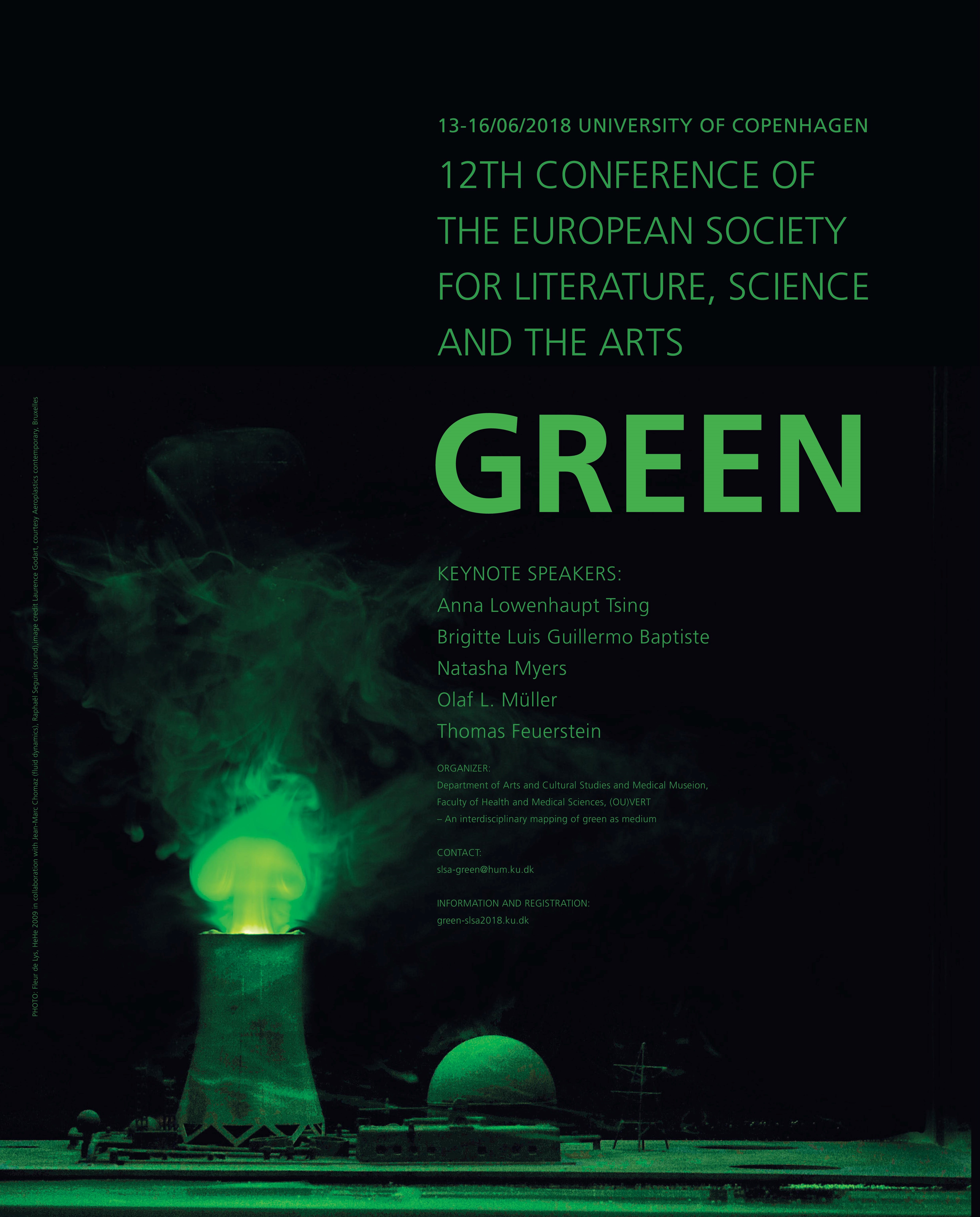
GreenSLSAPoster-page-001 (2)
GREEN SLSAeu poster

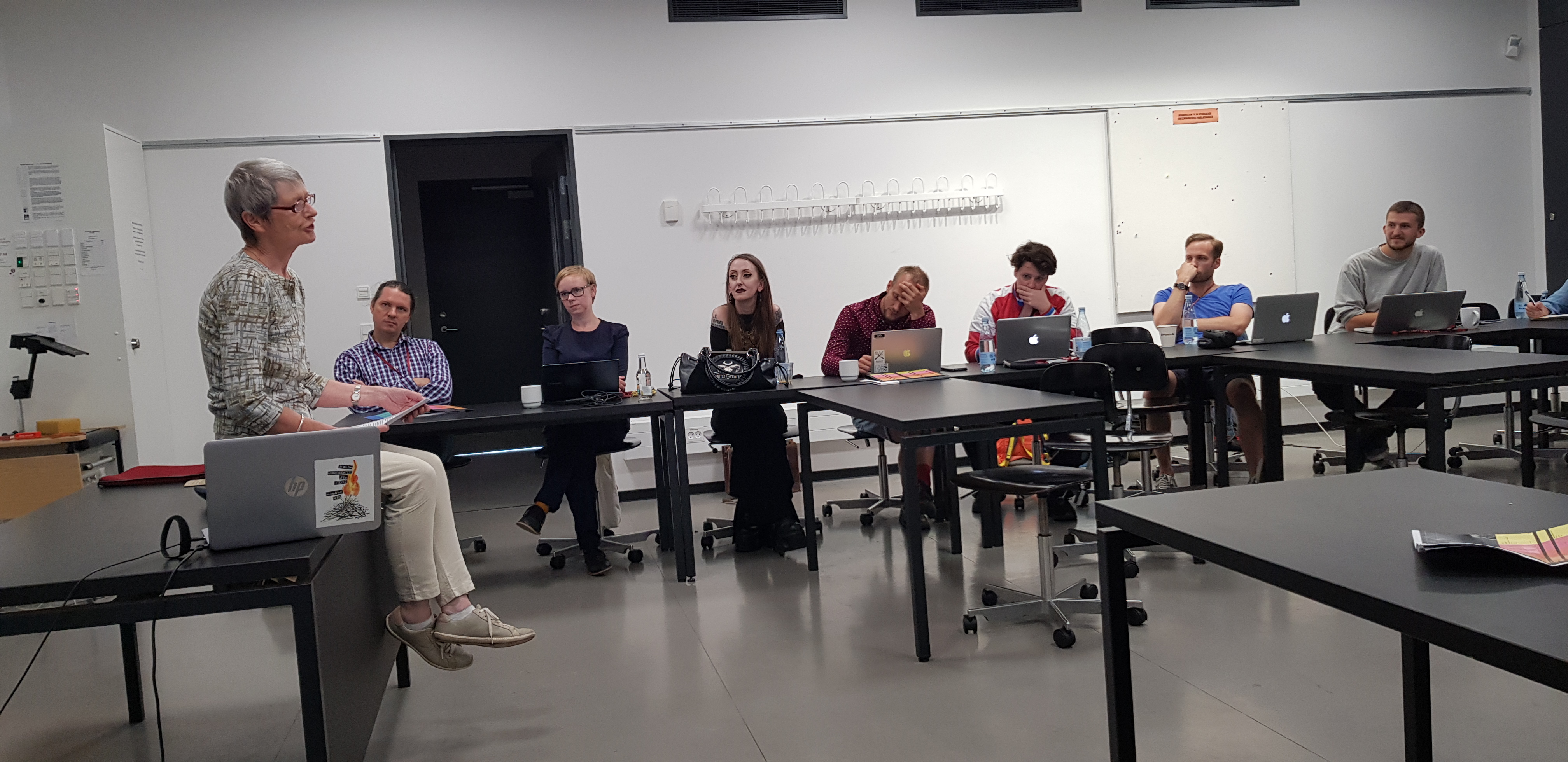
On 14th July some of the QDS Network researchers had a pleasure to present their work in the two-session panel ‘Queering Ecologies of Death’, proposed by Prof. Patricia MacCormack (Anglia Ruskin University, UK) and Dr. Marietta Radomska (Linköping University, SE), at the SLSAeu GREEN conference that took place on 13-16 June 2018 in Copenhagen, Denmark.

Link to the full programme.

Link to the panel schedule.

Below you may find the summary of the panel which consisted of the speakers: Dr. Marietta Radomska, Prof. Patricia MacCormack, Dr. Line Henriksen (University of Copenhagen, DK), Dr. Tara Mehrabi (University of Turku, FI), Prof. Margrit Shildrick (Stockholm University, SE) and Prof. Nina Lykke (Linköping University, SE).

RADOMSKA & MacCormack
& Henriksen & Mehrabi & Shildrick & Lykke

PANEL: Queering Ecologies of Death

‘Green’ as a concept has become a shorthand for ‘ecology’, understood as that which refers to ‘home’ or ‘environment’ with all their constituting relationalities. It not only evokes a reflection on or concern with human and nonhuman entities and their milieus, but also implies a set of discourses (public, political, scientific, philosophical) that focus on the climate change and contemporary ecological crises. The latter, more often than not, entail the degradation and diminution of food and water resources, which make certain habitats unlivable.
Along with ‘climate migration’, these processes lead to the death of individual organisms, populations and species extinction, prompting us to reconsider our ways of understanding and relating to death, dying, extinction and annihilation.
While bioscience and biotechnologies underline and expose interdependency, commonality and relationality as key characteristics of life shared by all organisms, Western thought and cultural imaginaries tend to draw a thick dividing line between human and nonhuman animals and other organisms, notably visible in the context of death. The interdisciplinary field of Death Studies (in its conventional form) gives precedence to the death of human individuals as its main research subject, examined primarily through psychological, anthropological and sociological lens. Western philosophies approach death in a double way: as a process common to all organisms and an event that distinguishes the human from other creatures (e.g. Heidegger [1953] 2010; Calarco 2008).
Yet, in the context of discussions on the so-called Anthropocene – a distinct geological epoch we live in, generated by ‘human activities on earth and atmosphere, and at all, including global, scales’ (Crutzen & Stoermer 2000, 17) – it becomes evident that the stories of species extinction, animal death and annihilation of nonhuman life, broadly speaking, are deeply entangled with the histories of colonial violence, genocide and oppression/elimination of the non-normative human other.
Environmental science and the humanities examine more-than-human death primarily in the form of species extinction, its narratives and imaginaries. Simultaneously, human death is classified, investigated and valued separately: approached through a cultural, social or biomedical lens, it appears as either ‘the end’ of individual’s existence (in religious discourses taken as a step towards an afterlife), or as something to postpone or eliminate by medical means. However, if we look at the human corpse itself, it is an (always already) non/human assemblage of entities, materialities and processes.
Against this background, what strikes is the lack of sufficient theorising of the messy intimacies between materialities of human and nonhuman kind that constitute the processes of death, dying and annihilation. In other words, our cultural understandings require conceptualisations and narratives attentive to multiplicitous relationalities and entanglements of the living and non-living, and human and nonhuman or, what we call, ‘ecologies of death’.
This transdisciplinary panel brings together several different perspectives, encompassing such fields as philosophy, art, cultural studies, monster studies, science and technology studies, gender studies and disability studies, in order to ask what it means to queer ecologies of death. The speakers will not only concentrate on the processes and materialities of death and dying, and living and non-living in a more-than-human world, but also investigate how such enquiries go beyond, unsettle and subvert given norms, normativities and binaries that govern our approaches to and understandings of death, dying, extinction and annihilation. In particular, the
panelists will focus on the following set of questions:
How can ecosophy (a thought informed by entangled intimacies of the living and non-living beyond green) and bio-philosophy (thinking life in its relation to that which takes it beyond itself) attend to multiplicitous difference and relationality constitutive of death and dying as well as its ontology and ethics?

Queering Ecologies of Death: Part 1

While thinking with and through the contemporary practices of eco- and bioart, Marietta Radomska (Linköping University) will ask how such forms of art explore and enact the
relations between the human and the environment in the context of the annihilation of life on Earth resulting from human activity? How can doing biophilosophy through art contribute to a less anthropocentric, non-normative and different understanding of death? And, in return, what kinds of ethics does it mobilise?
Patricia MacCormack (Anglia Ruskin University) will focus on how abolitionism (animal rights at its extreme) can rethink entanglement as grace through a leaving be, while also opening the ecosophical world to freedoms unperceived by anthropocentric apprehension. Furthermore, she will ask how human extinction through a cessation of reproduction or advocation of anti-natalism could further abolition to become
a form of queer death activism that is both vitalistic and caring, creative and jubilant?
Line Henriksen (University of Copenhagen) will look at the ways contemporary ecocritical discourses bring forward the questions of disappearance, absence, annihilation, trace and void. More specifically, if ecology is a home/household
(oikos) – she asks – is it haunted? By bringing together hauntology and ecotheory, she will discuss what it means to think spectrality as part of ecological systems, thereby delving
into the transparency of the apparition as much as the traditional ‘green’ of ecology.

Queering Ecologies of Death: Part 2

Drawing on her ethnographic work in a Drosophila Melanogaster laboratory, Tara Mehrabi (University of Turku/Karlstad University) will explore how, in the context of
contemporary bioscience, life (e.g. of animal models) – no longer scientifically ‘valuable’/’useful’ – becomes ‘waste’. How does this particular ecology of death challenge and queer the boundaries of natural/artificial, inside/outside, nature/laboratory,
safe/hazardous and living/non-living beyond green? How does it problematise human exceptionalism and binary logic?
Margrit Shildrick (Stockholm University/University of Toronto) will enquire about death (organic/cellular/singular/species) in the context of the research on michrochimerism
beyond the human. She will anchor these questions in the problematics around the ‘greening’ of the gut and eradication therapy.
Finally, Nina Lykke (Linköping University) will concentrate on how human death and the human corpse can be rethought from the perspective of inhuman forces, understood
in an immanence philosophical sense, and redefined against the background of its transcorporeal belonging to a queer planetary kinship of vulnerable more-than-human-bodies. What are the eco-ethical implications of such a redefinition?

20180614_091311
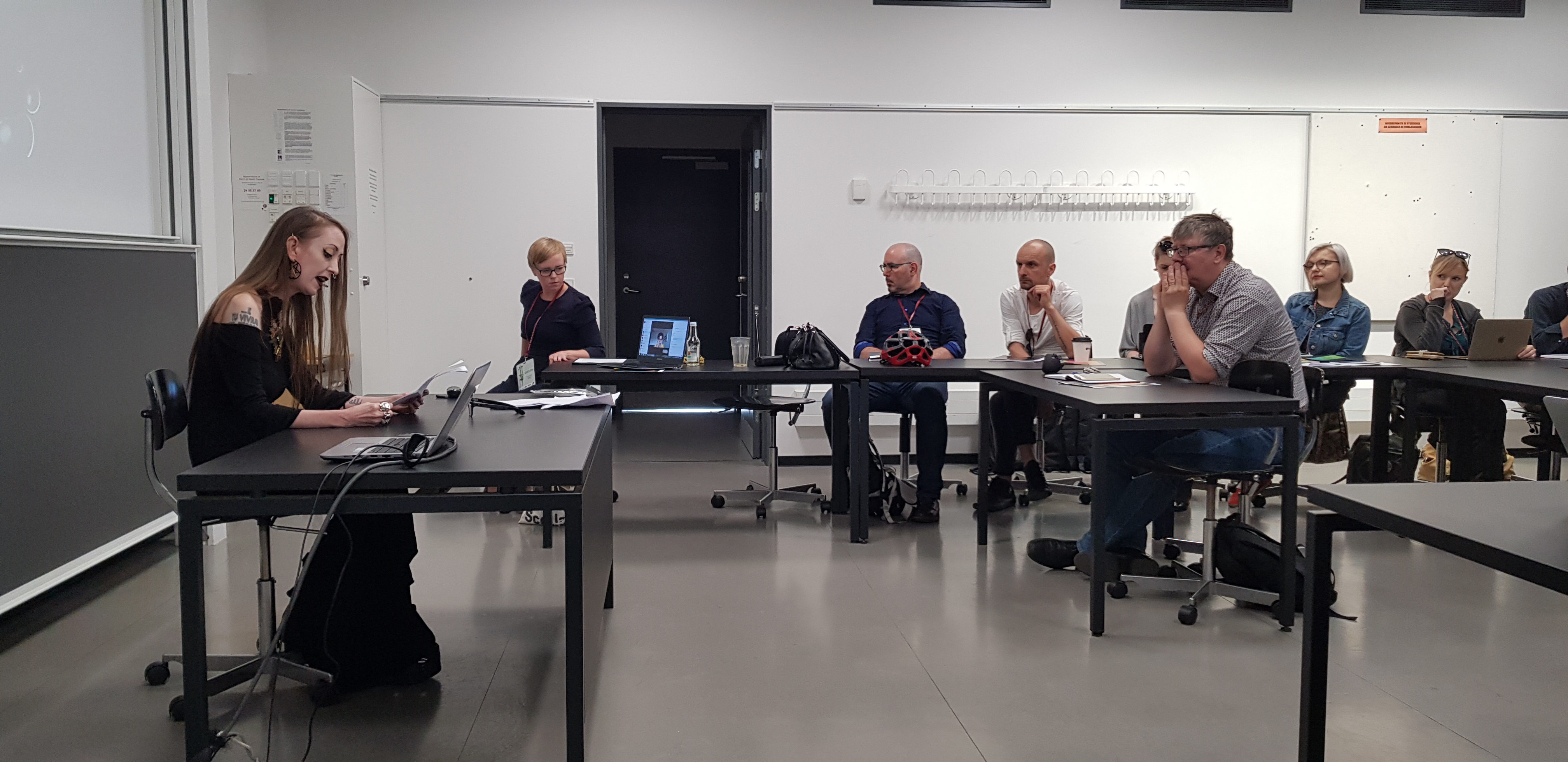
Prof. Patricia MacCormack on ‘The Age of Anthropophagus’

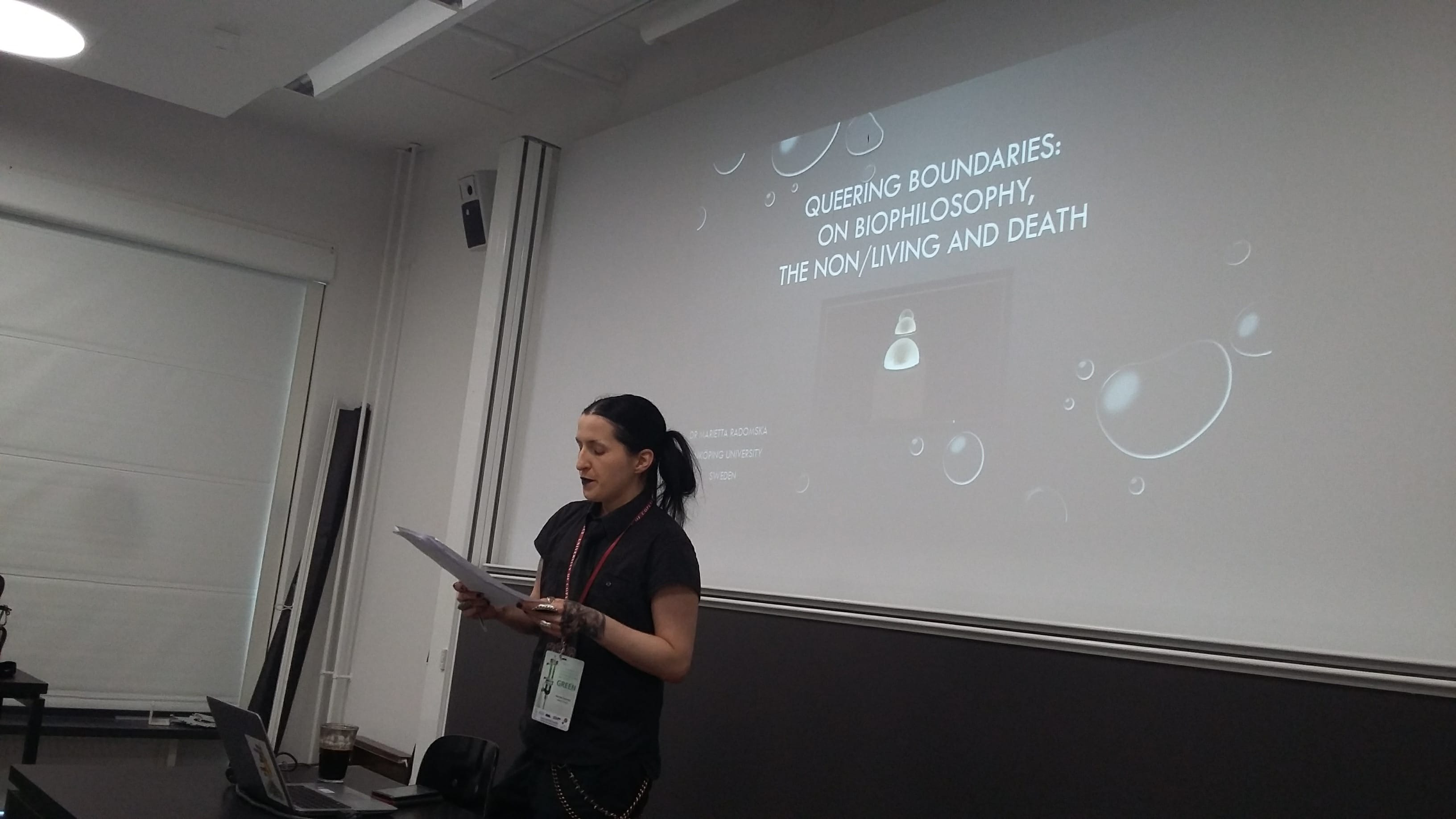
received_10159626006888504
Dr. Marietta Radomska on ‘Queering Boundaries: On Biophilosophy, the Non/Living and Death’

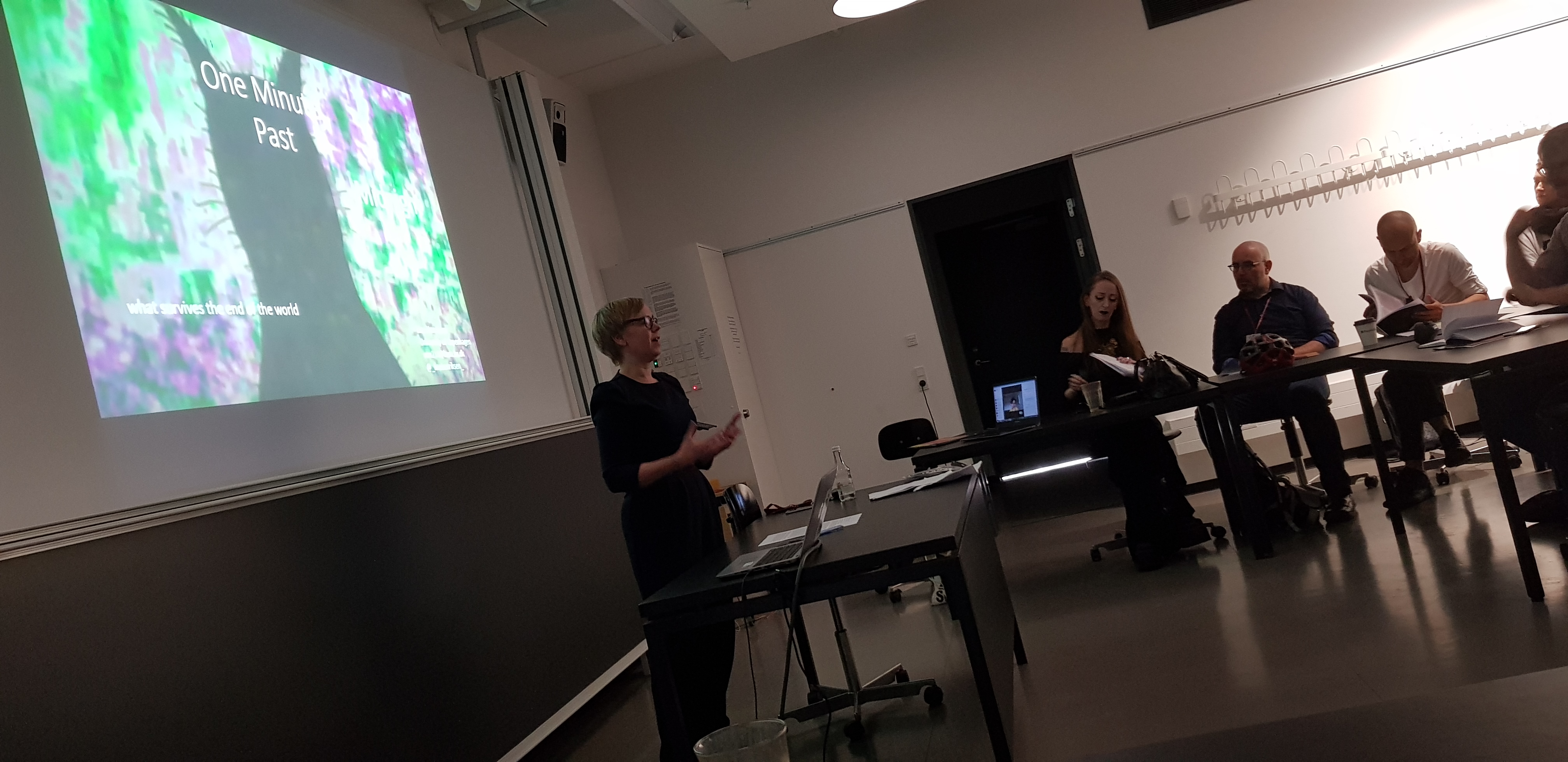
20180614_093603
Dr. Line Henriksen on ‘One Minute Past: What Survives at the End of the World’

IMG_20180614_182728
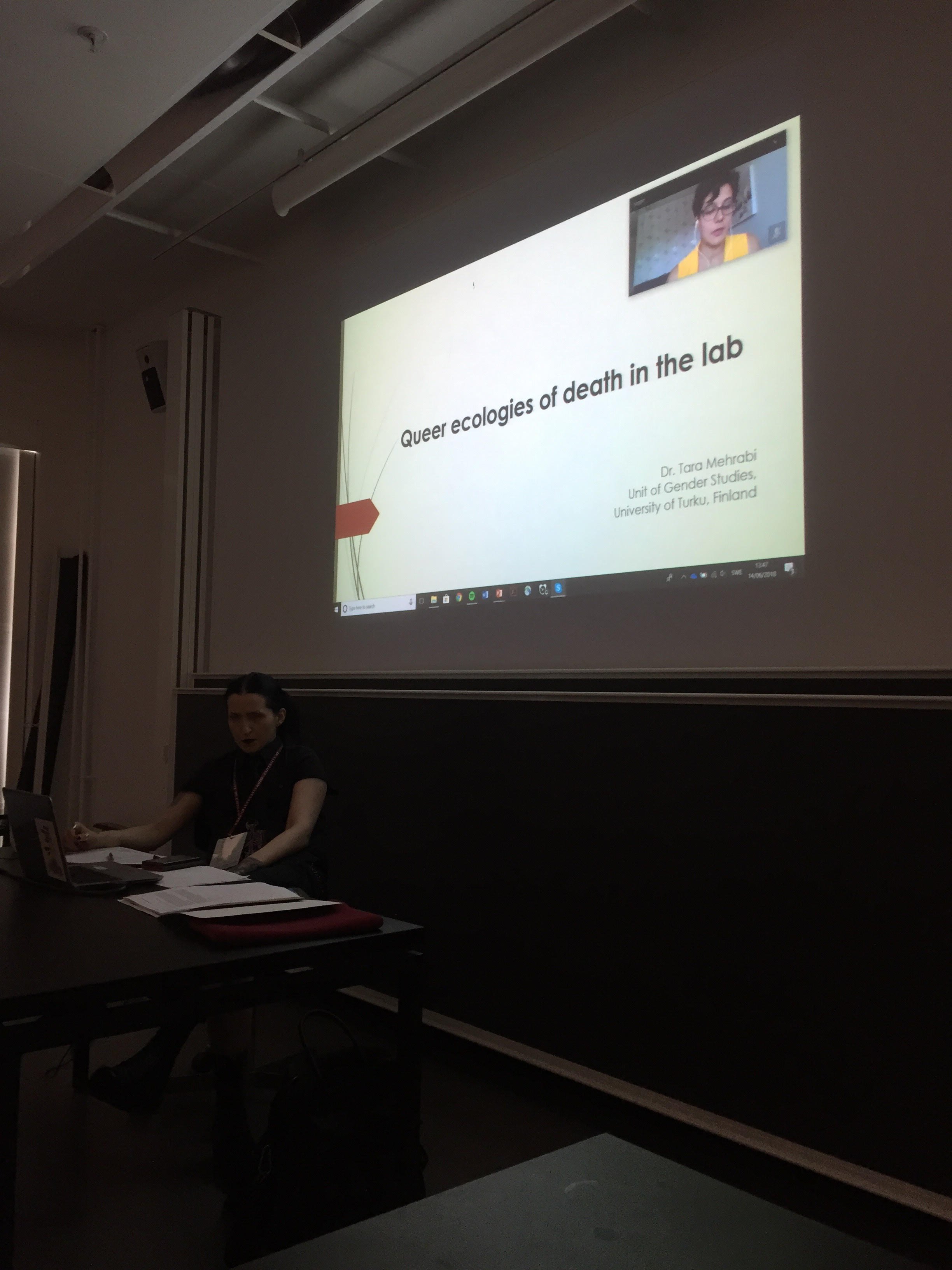
Dr. Tara Mehrabi on ‘Queer Ecologies of Death in the Lab’

20180614_141100
Prof. Margrit Shildrick on microbiome, microchimerism and death

20180614_145318
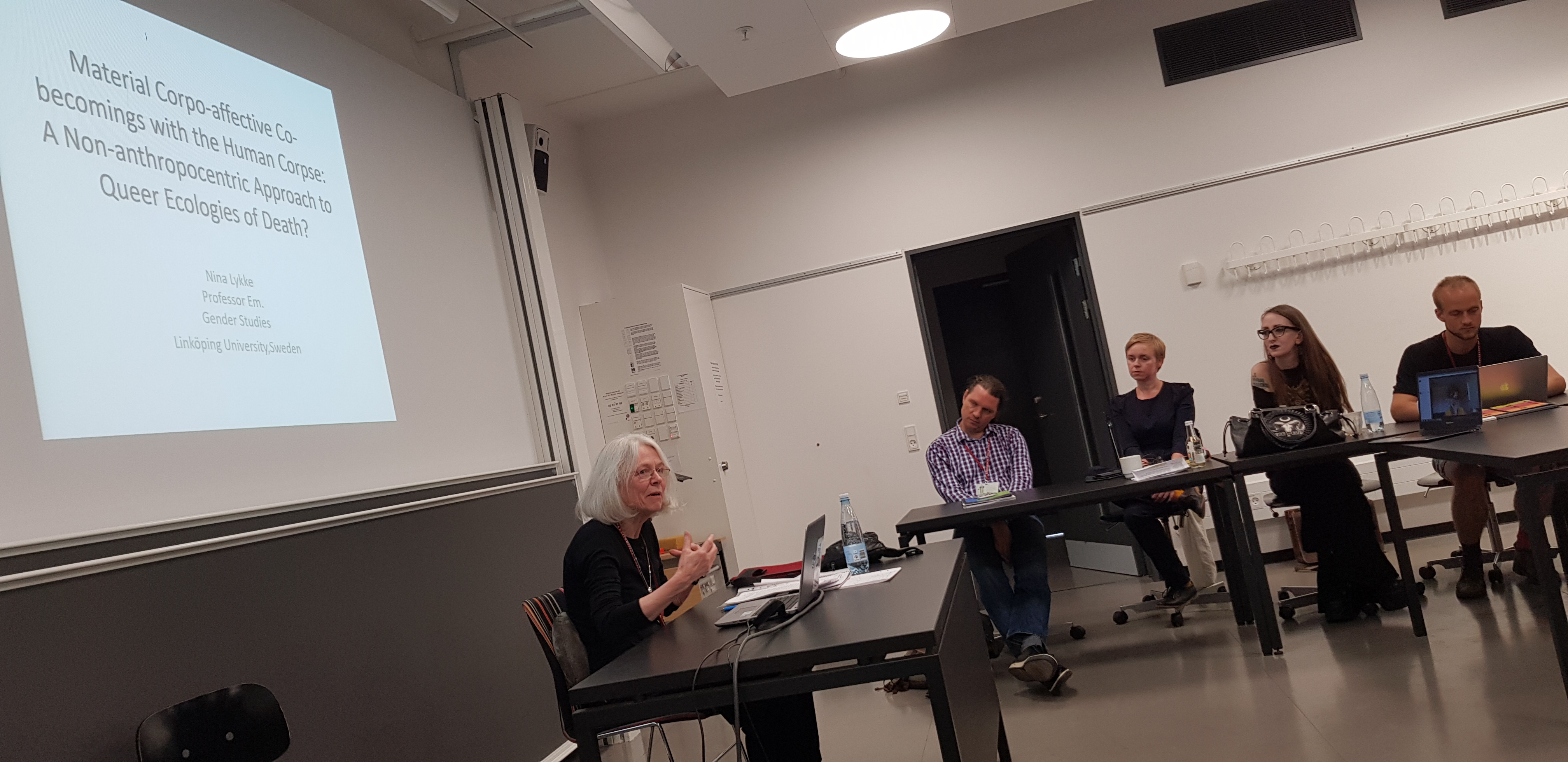
Prof. Nina Lykke on ‘Material Corpo-affective Co-becomings with the Human Corpse’

The Third International Queer Death Studies Workshop “Death Matters: Death and Dying in a Queer Context”: the programme & registration!

Dear all,

It is our great pleasure to announce the programme of the upcoming Third International Queer Death Studies Workshop: Death Matters: Death and Dying in a Queer Context that takes place on 30th and 31st May 2018 at Linköping University. The workshop starts at 10:15 on 30th May and finishes at 16:00 on 31st May.

In order to register, please send an email to: tara.mehrabi [at] liu.se.

Registration DEADLINE: 23rd May 2018.


Programme:

30th May (Wednesday)

10:15 – 11:00 Introduction

11:00 – 12:30 Session I:

Margrit Shildrick (Stockholm University, SE/York University, Toronto, CA), Temporalities and Onto-epistemologies of Death and Dying

Natashe Lemos Dekker (University of Amsterdam/Leiden University, NL), Valuing Life: Normative and Moral Frames at the End of Life with Dementia

12:30 – 13:45 Lunch (on a self-paid basis)

13:45 – 15:55 Session II

Andria Nyberg Forshage & Eliot Eklöw (Södertörn University/Stockholm University, SE), Lilies of Sterile Pleasure. On Indolence, Deathliness, Deproduction, and Double Affirmation

ida Hillerup Hansen (Central European University, HU), ‘Falling Apart’: Prisms of Living with Loss

Magdalena Górska (Utrecht University, NL), Suffocations

15:55 – 16:10 Break (fika)

16:10 – 18:10 Session III

Órla O’Donovan (University College Cork, IE), Death, Dying and the ‘Commons’

Anne Bettina Pedersen (Aarhus University, DK), (Un)Making Sylvia Likens: Towards a Theory of Femicide Narratives

Saad Khan (independent researcher, BD), Dying Inside Black Mirror’s Posthumanist World

18:10 – 18:30 Discussion

19:30 – … Dinner downtown (on a self-paid basis)


31st May (Thursday)

10:15 – 11:45 Session IV

Agnieszka Kotwasińska (University of Warsaw, PL), Self/Haunted: Death and Mourning in Recent Horror Cinema

Line Henriksen (University of Copenhagen, DK) & Tara Mehrabi (Linköping University, SE), Hosts, Ghosts and Flies: Thinking Life, Death and Ethics through HBO’s West World

11:45 – 13:15 Lunch (on a a self-paid basis)

13:15 – 14:45 Session V

Alexandra Løvås Kristinnsdottir (University of Oslo, NO), Death Positivity and Its Potentials

Kristin Gupta (Rice University, US), Death (Feminist) Futures

14:45 – 15:00 Break (fika)

15:00 – 16:00 Final discussion